
Last updated November 25, 2026
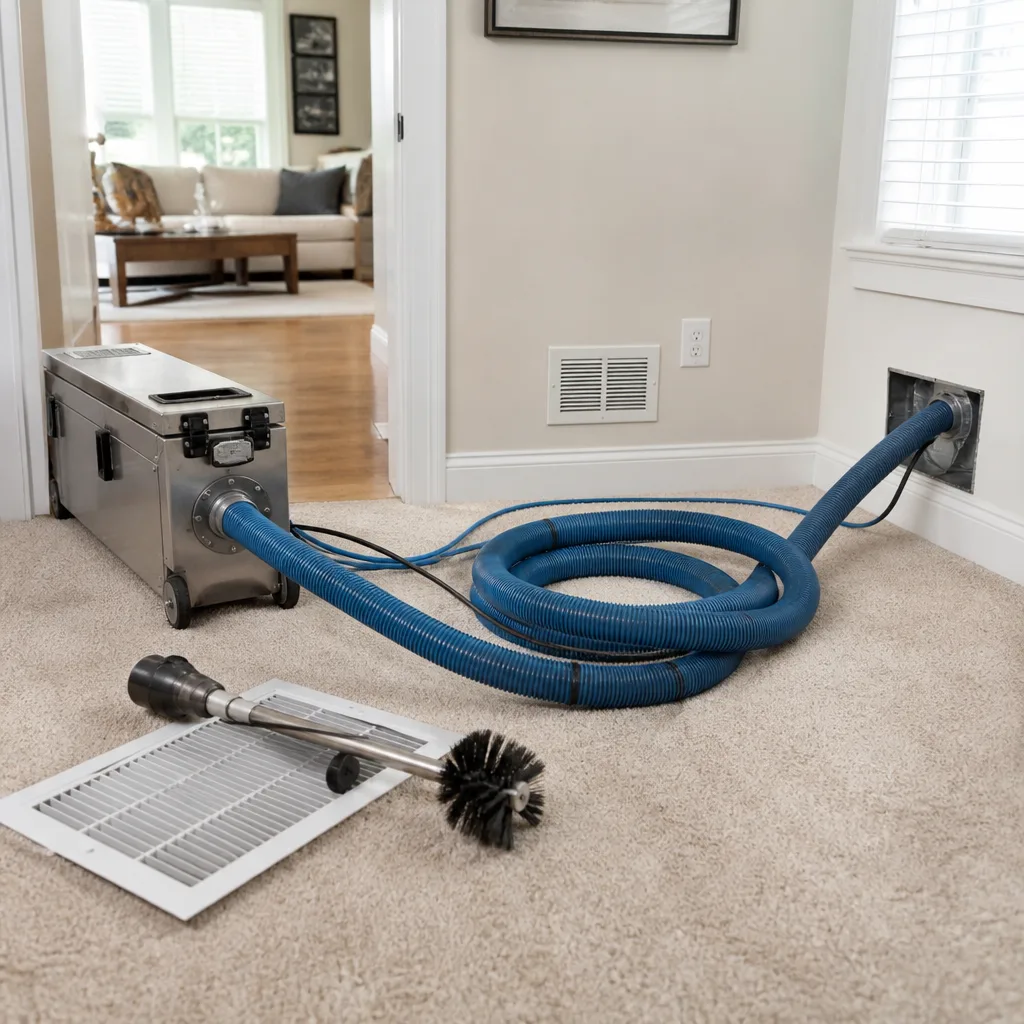 Whole-home duct cleaning
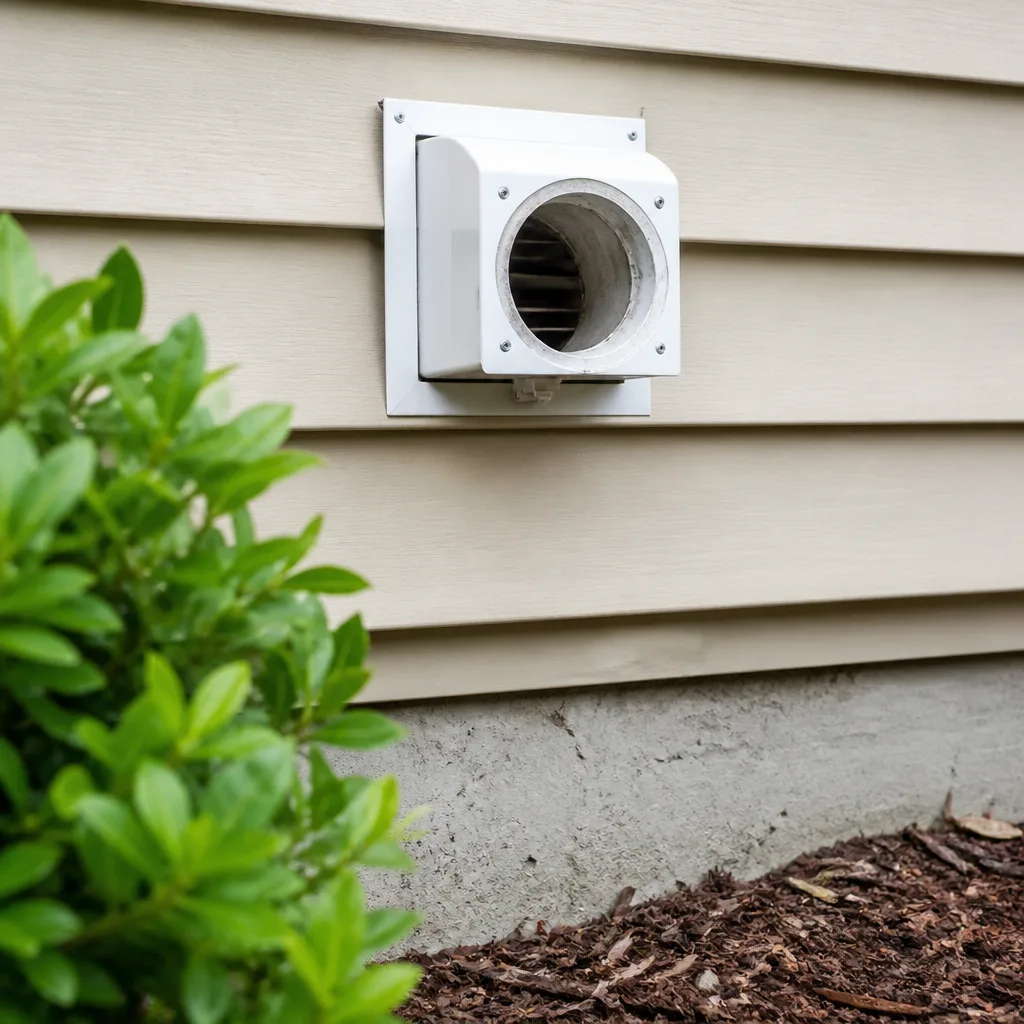 Dryer vent cleaning
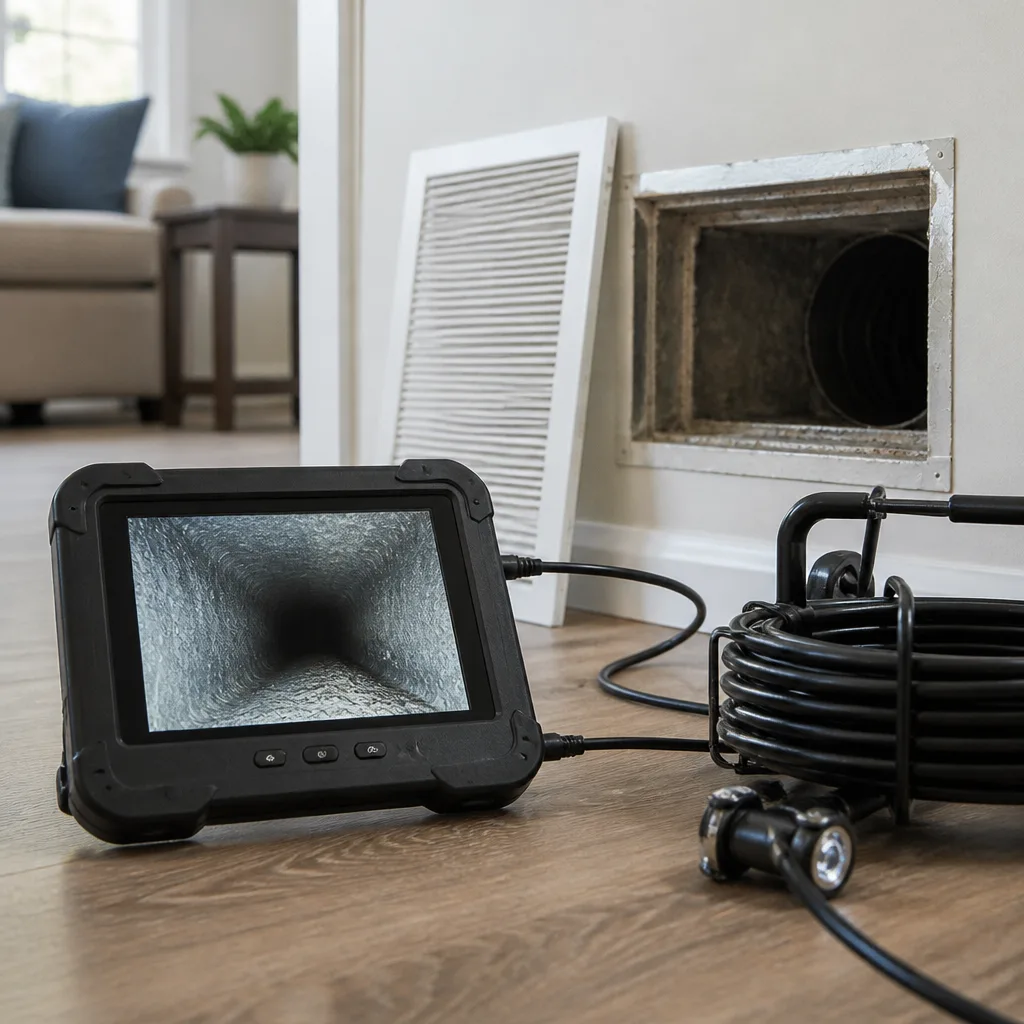 Camera inspection
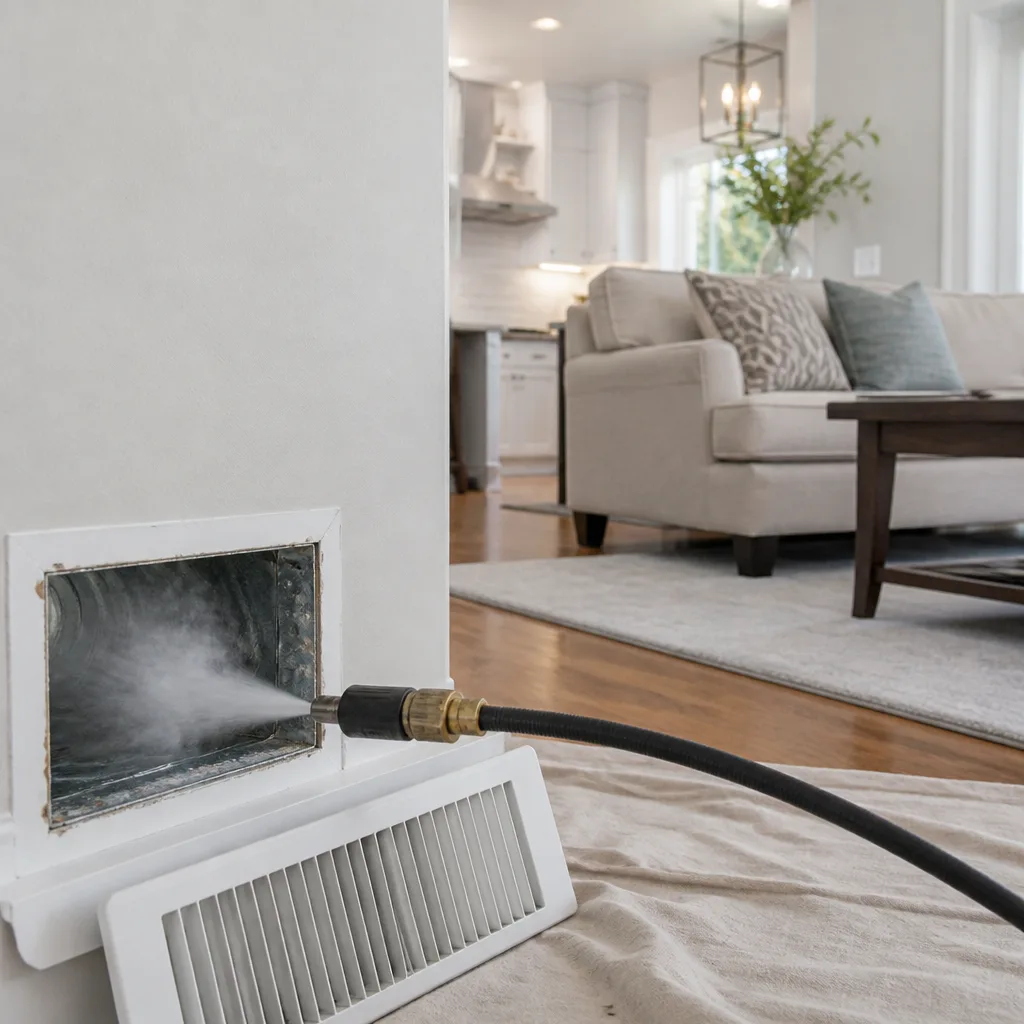 Sanitizing & deodorizing
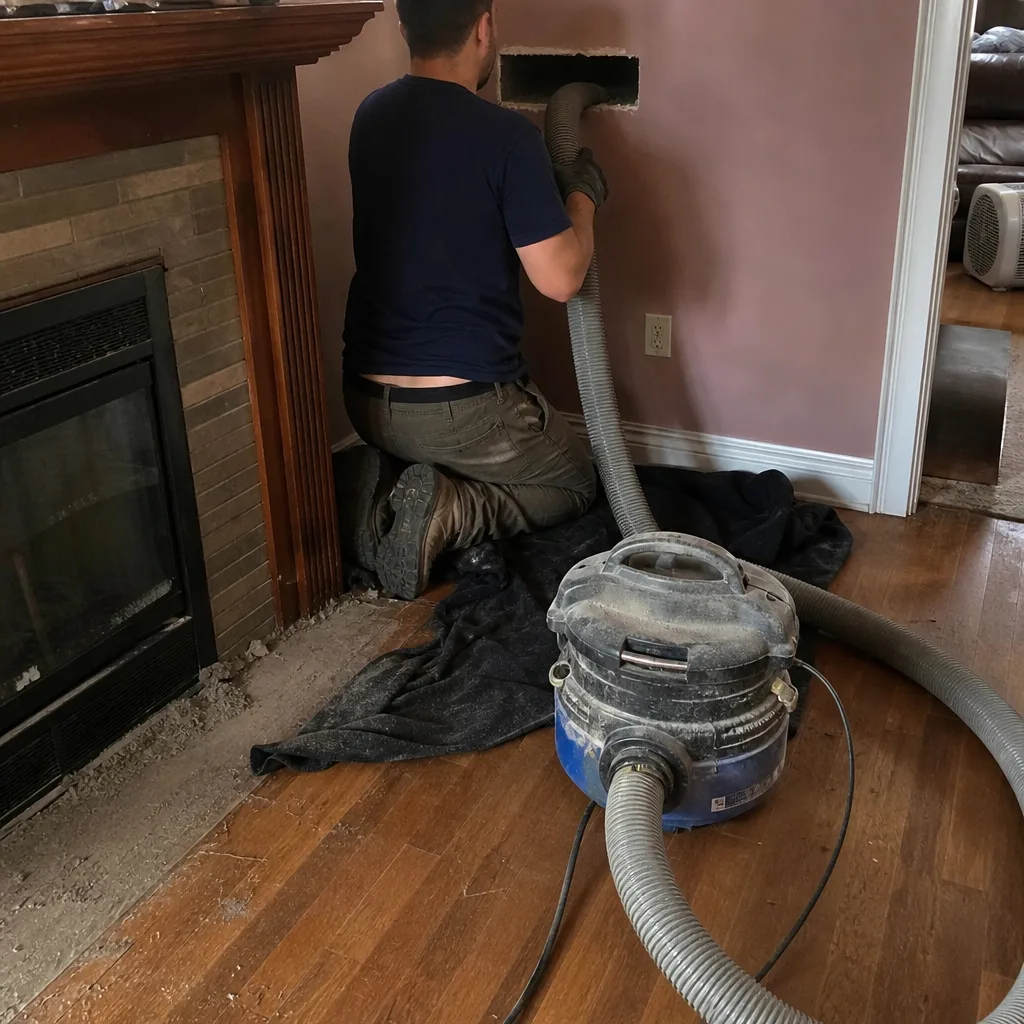
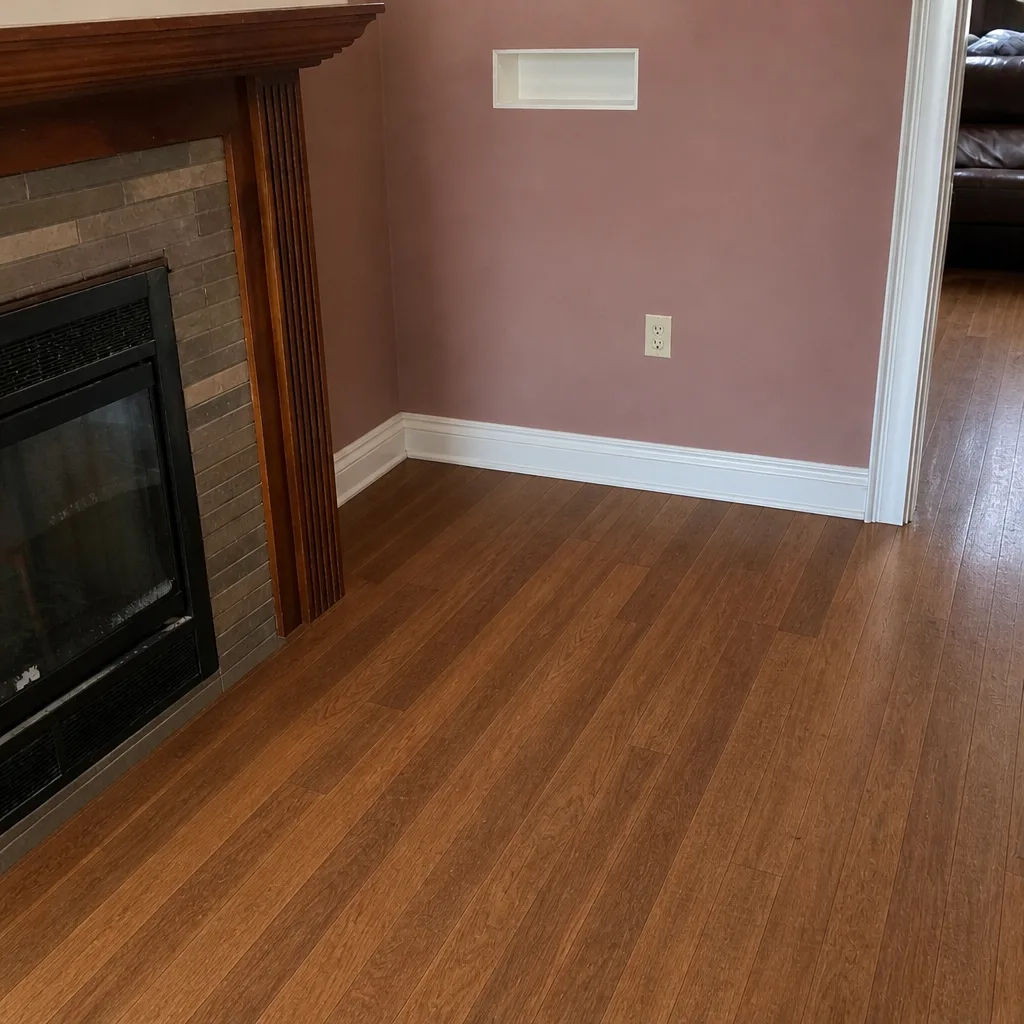
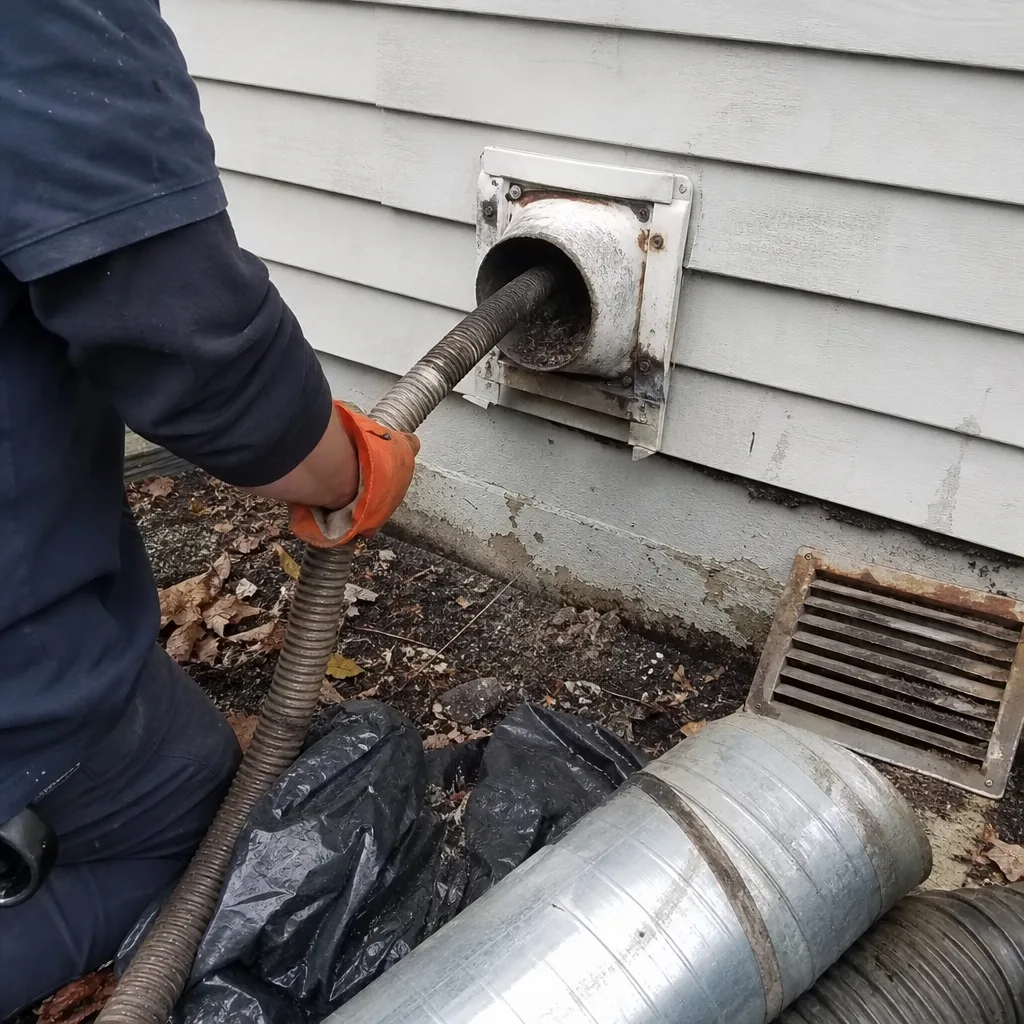
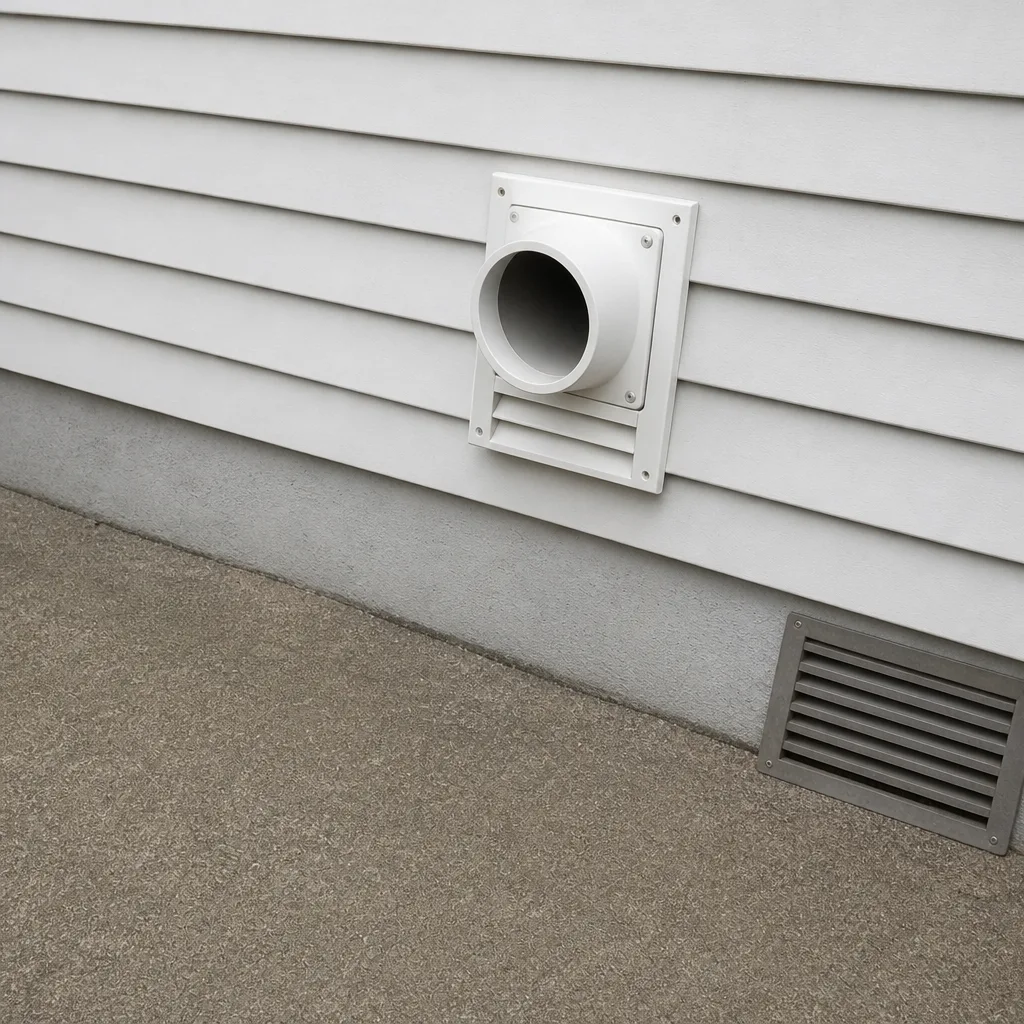
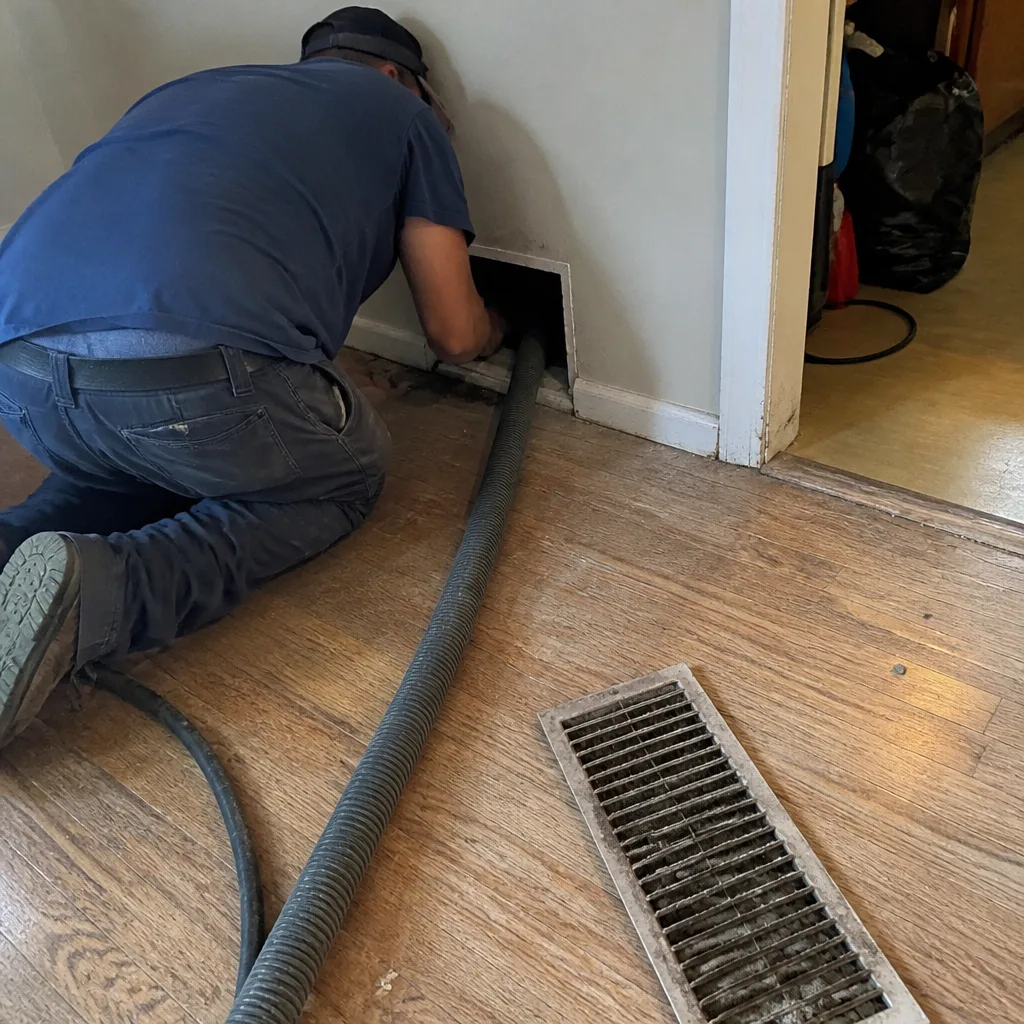
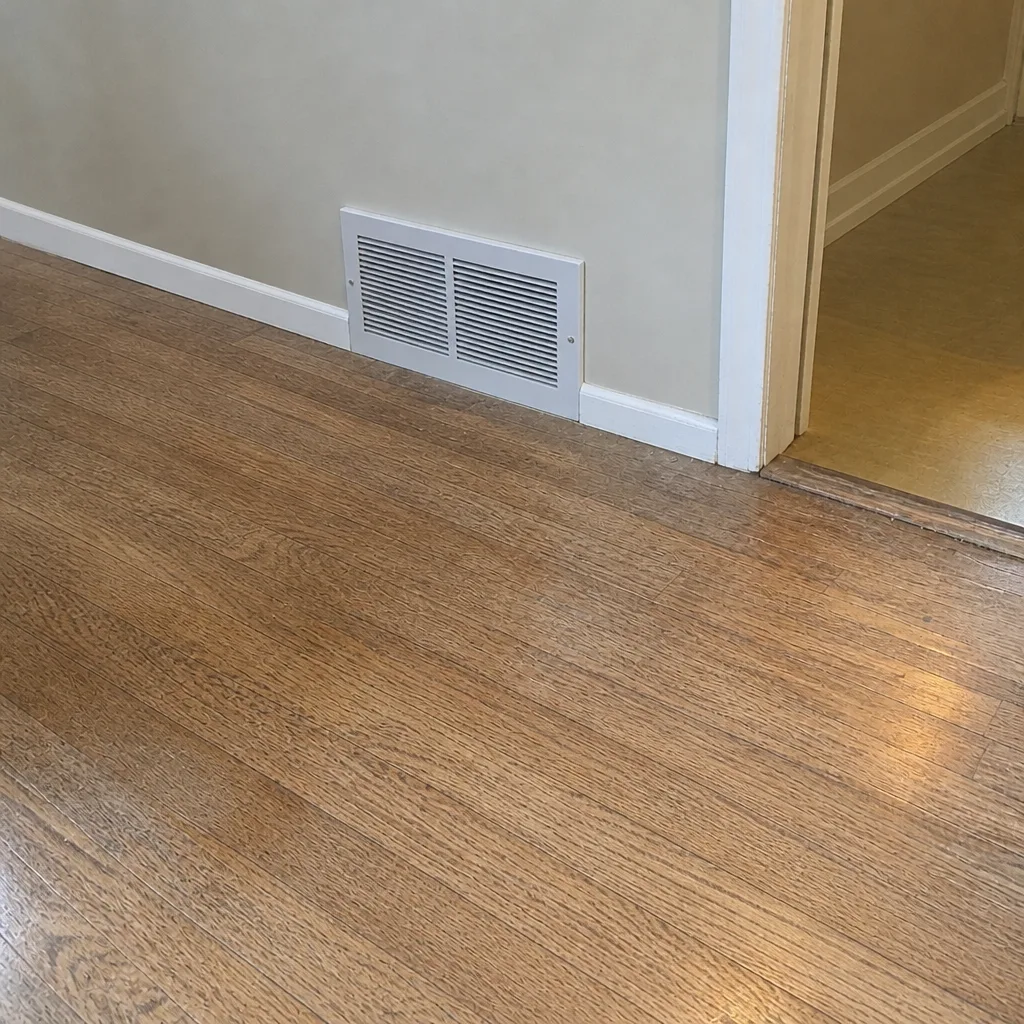
Whole-system duct and dryer vent check with before-and-after photos - you see exactly what came out of your vents
That "$99 whole-house special" is a bait ad - the real number appears once they are in your hallway, or the "clean" is a shop-vac at the register. We photograph the inside of your ducts before and after instead.
Choosing the Right Air Duct Cleaning Brand: A Buyer’s Guide for Parkside
In air duct cleaning, the brand that matters most isn’t the name on the truck. It’s the nameplate on the vacuum unit. That single detail tells you what a crew can physically accomplish inside your ductwork, and it’s the piece of information almost no homeowner thinks to ask about. A company with a shop vacuum and a brush is offering a different service than one running a rotary brush system mated to a high-capacity vacuum with containment filtration. Both might call it “full duct cleaning.” Only one can back the phrase up. This guide gives Parkside homeowners a technical framework for comparing providers, so you can tell a complete job from a register-only sweep before anyone knocks on your door.
Quick Answer
The right air duct cleaning brand in Parkside is the provider whose equipment, service scope, and documentation can handle your entire air delivery system, not just the vents you can see. Look for professional-grade rotary brush and vacuum systems like Rotobrush or Nikro, a menu that includes duct repair and air quality treatment, and a crew that inspects and photographs before and after the work. If a quote rests on a cheap per-vent price with no mention of equipment or documentation, that’s the signal to keep looking.
Styles & brands we work with
- Whole-home duct cleaning
- Dryer vent cleaning
- Camera inspection
- Sanitizing & deodorizing
Table of Contents
- The Equipment Tiers That Separate Providers
- What “Full-System” Service Actually Means
- How to Judge a Provider’s Diagnostic Capability
- Service Scope Questions That Reveal Positioning
- The Documentation a Credible Provider Leaves Behind
- Why Duct Repair and Sealing Change the Math
- What Parkside Homes Ask of Their Air Systems
- How to Compare Two Quotes Without Getting Fooled
The Equipment Tiers That Separate Providers
Walk out to any duct cleaning job and you’ll see one of three equipment setups. The tier a company works in dictates the quality of the clean more than any marketing claim.
Truck-mounted vacuum systems deliver the highest airflow, measured in cubic feet per minute (CFM), and hold a sustained negative pressure on the whole duct system while the crew works the branch runs. They’re the standard for serious residential and commercial cleaning because the pressure keeps loosened debris moving toward the collection point instead of settling back into the ducts.
Portable professional units run on the same rotary-brush and HEPA-filtration principle but at lower CFM, which is fine for smaller systems and for branch work where a truck can’t reach. Rotobrush and Nikro both build portable systems that meet professional standards; the difference from consumer gear is the brush motor, the suction, and the filtration, not the label.
Consumer-grade vacuums are shop vacs pressed into service. They can’t move enough air to pull debris from a long trunk line, and their filters don’t hold fine particulate. That’s surface work dressed up as a cleaning.
At Air Duct Cleaning Parkside we work with Rotobrush and Nikro rotary brush and vacuum systems, and we use Abatement Technologies equipment for containment and filtration during the job. That last piece matters on homes with heavy dust, recent renovation, or any suspected contamination: containment keeps what comes out of the ducts from spreading through the rooms you’re standing in. It’s a protocol standard associated with remediation-level work rather than a typical maintenance visit.
What “Full-System” Service Actually Means
“Full-system” is the most abused phrase in this trade. When a provider says it, they usually mean they’ll clean the supply registers and maybe the return grilles. A real full-system job touches every component that air passes through.
- Supply and return duct runs – every accessible branch line, worked from the register back to the trunk with a rotary brush and negative pressure.
- Trunk lines and plenums – the main arteries and the plenum boxes at the air handler, where dust accumulates fastest.
- The blower compartment and fan – a dirty blower wheel throws debris back into the airstream all day long.
- Evaporator coils – the cooling coil traps dust like a filter, and a matted coil cuts airflow and efficiency.
- The drain pan – standing water and biological growth here feed smells into the whole system.
Register-only cleaning skips steps two through five. It looks like progress from the floor because the grilles are shiny, but the air handler is still pulling dust off a filthy coil and blower. Ask a provider directly whether the coil, blower, and drain pan are in the scope. If the answer is a shrug or a vague “we do the vents,” you’ve got your answer. For a deeper look at what a complete cleaning involves, see our air duct cleaning service page, which walks through each component.
How to Judge a Provider’s Diagnostic Capability
The best cleaning crews inspect before they clean. That sounds obvious, but plenty of operators never look inside a duct until the vacuum is already running. Diagnostics separate a technician from a vacuum operator.
Here’s what a capable crew will typically do before touching equipment:
- Open representative registers and use a camera or a light and mirror to check duct interiors.
- Check the air handler, coil, and blower for dust load and any signs of moisture.
- Measure or at least assess airflow and static pressure at the return and supply.
- Note what’s circulating: construction dust, pet dander, soot, or visible biological growth.
Camera inspection is the piece homeowners should ask about by name. It tells the crew where the heavy deposits are, whether the duct liner is damaged, and whether there’s moisture that has nothing to do with dust. In older Parkside homes with a mix of original sheet metal and later-flex runs, that pre-inspection changes the plan from house to house. One home needs a straightforward clean; the next has a crushed flex run that’s starving a bedroom of airflow.
When a provider shows up and simply hooks up without looking, they’ve skipped the step that tells them what the job actually is. Our technicians have up to 13 years of experience, and the habit that experience builds is inspection first, cleaning second. Ask any brand you’re considering to describe their intake process in plain terms.
Service Scope Questions That Reveal Positioning
The fastest way to understand a company’s real positioning is to ask what they do when the job turns up a problem outside a simple cleaning. The answers sort providers into three groups: full-system specialists, clean-only operators, and generalists who subcontract the rest.
Ask these questions before you book:
- Do you repair and seal damaged ductwork? Clean-only crews can’t. They’ll tell you to call someone else, and you’ll pay twice.
- Do you handle dryer vents and HVAC equipment, or just ducts? A provider that covers the whole air delivery system can address the sources of contamination together.
- What do you do if you find mold or biological growth? Remediation-level containment is different work from maintenance cleaning. Some providers decline it or hand it off.
- Do you treat air quality, and with what products? Sanitizing applications and filtration systems belong in the same conversation as cleaning.
Air Duct Cleaning Parkside runs five service categories across the complete air system: air duct cleaning, dryer vent cleaning, HVAC cleaning, duct repair and sealing, and air quality and sanitizing. The point isn’t a long menu for its own sake. It’s that a finding doesn’t end the visit. If the inspection turns up a leaking joint or a crushed run, the crew that found it can seal it in the same visit, so the ducts end up both cleaned and sealed. That’s the difference between a maintenance task and a fix.
We also work with air quality systems from Honeywell and Aprilaire. When a homeowner is considering filtration equipment after a cleaning, understanding how that equipment integrates with the existing system is part of the job. Sanitizing treatments use Guardsman-brand products. None of these brands do the work for you, but a provider who stocks and services them can tie cleaning to a longer-term air quality plan instead of leaving you to figure out next steps alone.
The Documentation a Credible Provider Leaves Behind
Ask yourself a blunt question: after the crew drives away, how do you know the work was done? In this trade, the answer is documentation. A credible provider leaves you with evidence, not a promise.
What a good post-service package includes:
- Before-and-after photos of your own ducts, not stock images. This is the single most revealing requirement, because a crew that can’t show you the inside of your ducts before and after probably didn’t clean them to that standard.
- An inspection report noting what was found: dust load, damaged liner, moisture, crushed runs.
- A findings log of anything that needs follow-up, whether a coil that’s due for a deeper clean or a joint that needs sealing.
- A plain-written summary of the equipment used and the components cleaned.
Why does this matter so much? Because missing documentation is a quality signal in itself. A provider whose pricing is per vent has little reason to photograph each register, and little reason to document anything at all. A provider who prices per system and guarantees the scope has every reason to prove it was done. If a company won’t commit to before-and-after photos of your ducts, treat that as a reason to keep looking. Our own standard is simple: one flat price per system, agreed before work starts, and photos of your own ducts at the end so you can see exactly what changed.
Why Duct Repair and Sealing Change the Math
Cleaning a leaking duct system is like mopping a floor with the tap running. Every joint that separates, every crushed flex run, every unsealed boot at the register lets your conditioned air escape into a crawlspace or attic and lets unconditioned air and dust pull back in. The clean is only as good as the envelope around it.
Here’s the catch most clean-only providers won’t tell you: their job ends at the cleaning. If the inspection turns up a duct that’s leaking 20 feet into a run, their scope doesn’t include fixing it. You get a clean system that’s already re-contaminated by the time the next season runs.
Duct repair and sealing addresses that root cause. In practice it means reconnecting separated joints, sealing boots and plenum seams, replacing crushed or torn flex runs, and checking the register connections that pull away over time as a home settles. Pairing this with cleaning is what makes a clean system stay clean. For Parkside homeowners with older ductwork, this is often the single most valuable part of the visit, because it’s the part that saves energy and stops the dust from coming back.
A provider who offers cleaning, repair, and sealing under one scope can plan the job around the findings. That’s why we built duct repair and sealing into our service lineup rather than treating it as a referral. It also means the person who cleans your ducts is the person accountable for the whole system being sealed and clean.
What Parkside Homes Ask of Their Air Systems
Air duct cleaning isn’t the same job in every town. In Parkside, the housing stock and the seasons put specific demands on a system, and the provider you choose should understand them.
Much of the housing here is older, which usually means a mix of duct materials: some original sheet metal trunk lines with later flex additions, and register boots that have seen decades of settling. That mix creates two recurring issues. First, connections pull apart gradually, so leaks build up slowly and quietly. Second, flex runs get crushed or kinked during basement or attic work, which starves the far rooms of airflow while the near rooms run fine. Neither problem shows up in a register-only clean; both show up in a proper inspection.
Then there’s the heating and cooling cycle. A system that heats in winter and cools in summer pulls a lot of air through the same ductwork over a year, and any dust or debris inside gets carried to every room. Households here also deal with the seasonal dust that comes with open windows in spring and fall, and with renovation dust from the older homes that get updated room by room. That dust settles in the return side first. A cleaning that ignores the return plenum and the blower compartment misses where the load actually lives.
If your home has allergies in the household, a recent renovation, or you’ve just moved in and don’t know the history of the ducts, that’s exactly the situation where a full-system inspection and a documented cleaning pay off. The same logic drives HVAC cleaning, because the coil and blower are where the dust meets the moving parts.
How to Compare Two Quotes Without Getting Fooled
Two quotes can look similar in price and mean completely different things. The way to compare them is to line up scope, equipment, and documentation side by side, not the bottom line.
Run every quote through this checklist:
- Is the price per system or per vent? Per-vent pricing rewards the provider for doing less and gives you no guarantee of what’s covered.
- What equipment is named? A quote that doesn’t mention rotary brush or vacuum systems is telling you something.
- Is the coil, blower, and drain pan in scope, or just the registers? Register-only cleaning is a different product.
- Do they inspect before cleaning? Camera inspection should be standard, not an extra.
- Will you get before-and-after photos of your own ducts? If not, ask why.
- Can they repair and seal if the inspection finds damage? If not, you’ll pay a second company later.
- Is one flat price agreed before work starts? No surprise add-ons once the equipment is running.
That last point is where the industry’s reputation gets earned or lost. The classic complaint is a low teaser price that balloons once the technician is inside and “finds something.” A provider who quotes per system, in writing, before work begins takes that incentive off the table. Get your number in writing and ask what would cause it to change. A straight answer is a good sign; silence is not. For a broader look at what a complete job covers, our Air Duct Cleaning Parkside page explains each service and how they fit together.
Common Mistakes to Avoid
- Buying on price per vent. It’s the industry’s favorite bait and it almost always means a register-only clean. Ask for a whole-system price in writing before anyone starts.
- Not asking about equipment. If a provider can’t tell you the make of their vacuum or brush system, assume it’s consumer grade and keep looking.
- Assuming “full cleaning” means the air handler. Coil, blower, and drain pan are the most overlooked components, and they hold some of the worst buildup.
- Skipping the before-and-after photos. Without photos of your own ducts, you have no way to know the work happened. Ask before you book.
- Cleaning without inspecting first. A clean with no inspection can miss a crushed run or a leaking joint that will re-contaminate the system in a season.
- Choosing a clean-only provider in an older home. Parkside’s older housing stock is full of settled joints and flex runs, and a crew that can’t repair them leaves the root cause untouched.
- Ignoring the return side. Dust enters through returns, so a cleaning that skips the return plenum and blower compartment doesn’t address where the load starts.
See the difference
 Before
 After
 Before
 After
 Before
 After
When to Call a Professional
Some situations call for a professional inspection rather than a wait-and-see. If anyone in the home has allergies or asthma that seem to get worse indoors, if you’ve just finished a renovation and the dust is still circulating, or if you’ve moved into a Parkside home without knowing when the ducts were last cleaned, it’s time to have the system inspected. Noticeable dust settling on surfaces soon after cleaning, a musty smell when the system kicks on, or visible dust blowing from a register are all signs worth checking. Crushed or disconnected ductwork, and any concern about moisture or biological growth, should be inspected rather than ignored. Air Duct Cleaning Parkside offers free estimates in Parkside, so call (833) 482-5968 and we’ll come out to look at the whole system. We answer 24/7, with fast dispatch from 7am to 7pm, Sunday through Friday.
Frequently Asked Questions
Air duct cleaning in Parkside is priced per system, not per vent, and the total depends on the number of runs, the components in scope, and whether repair or sealing is needed, with the written estimate setting the final price. We won’t quote you a per-vent number or a teaser price, because both invite a bigger invoice once the technician is inside. Call (833) 482-5968 for a free estimate on your system.
Cheap quotes are usually cheap for a reason: they’re register-only, they skip the coil and blower, or they lean on a low teaser price that grows after the technician arrives. A full-system clean takes proper equipment and time, and a quote that doesn’t mention either isn’t offering the same job. If a price seems too low for the scope described, ask what’s actually included before you book. Call (833) 482-5968 if you’d like to compare your current quote against a written, per-system estimate.
You know because you see before-and-after photos of your own ducts, along with an inspection report of what was found. Documentation is the clearest quality signal in this trade, since a provider with a per-system price and a stated scope has every reason to prove the work was complete. Ask for photos before you book, and treat the absence of them as a warning.
Most homes don’t need it on a fixed schedule. A cleaning is worth doing when the system has carried a heavy load (renovation dust, a move-in, pets, or allergy concerns) or when an inspection shows real buildup in the ducts, coil, or blower. An inspection tells you whether it’s time, which is more useful than a calendar. Call (833) 482-5968 for a free assessment of where your system stands.
A full-system clean should, yes. The coil, blower, and drain pan are part of the air delivery system, and leaving them out means the source of re-contamination is still in place. Ask any provider directly whether the coil, blower, and drain pan are in the scope. With us, that’s part of what “full-system” means.
Yes. Duct repair and sealing is one of our five services, so if the inspection turns up a leaking joint, a crushed flex run, or a separated boot, we can address it as part of the same visit. A clean-only provider would have to refer you elsewhere, which is exactly the gap a full-system specialist is built to close.
We use professional-grade rotary brush and vacuum systems from Rotobrush and Nikro, along with Abatement Technologies equipment for containment and filtration during the job. For air quality and sanitizing work, we stock and service Honeywell and Aprilaire systems and use Guardsman-brand products in sanitizing treatments. The equipment is what determines how thorough a clean can be, so it’s worth asking any provider about theirs.
The Bottom Line
The “best air duct cleaning company in Parkside” isn’t a name, it’s a standard you can check. Look for professional-grade rotary brush and vacuum equipment, a full-system scope that includes the coil, blower, and drain pan, inspection before cleaning, and before-and-after photos of your own ducts. Add duct repair and sealing capability so the clean gets sealed in, and a per-system price in writing so the invoice matches the quote. That combination separates a genuine full-system provider from a register-only operator. If you want a straight assessment of your system, call Air Duct Cleaning Parkside at (833) 482-5968 for a free estimate. We answer 24/7, with fast dispatch from 7am to 7pm, Sunday through Friday, closed Saturday.
Written by the team at Air Duct Cleaning Parkside.