
Last updated November 25, 2026
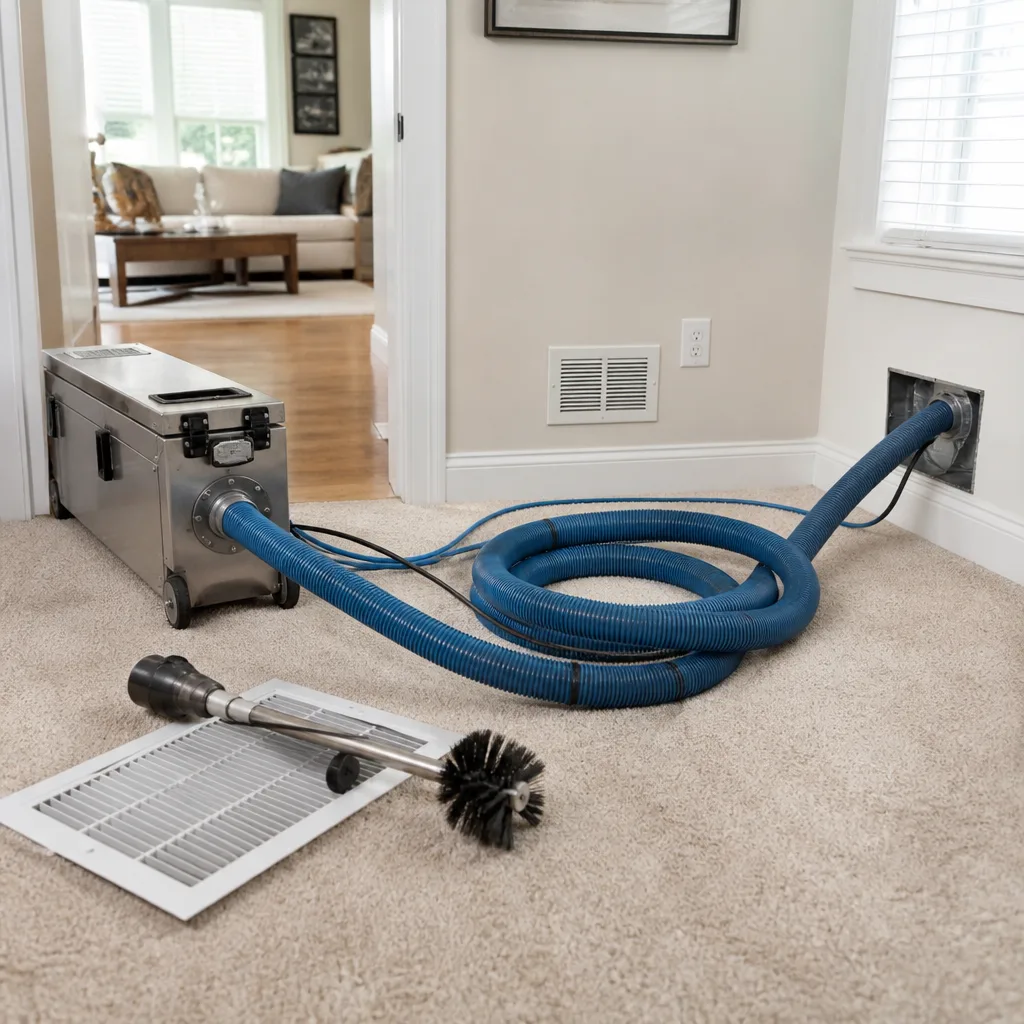 Whole-home duct cleaning
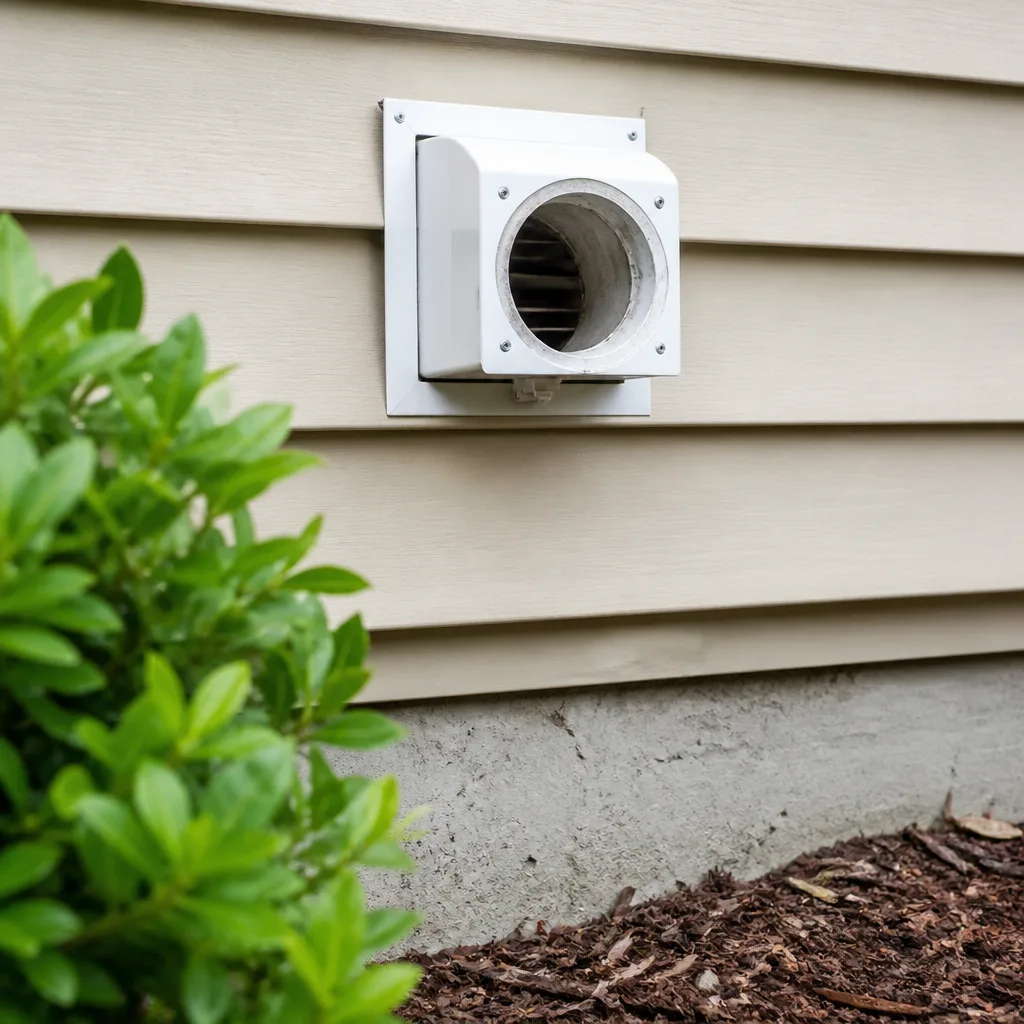 Dryer vent cleaning
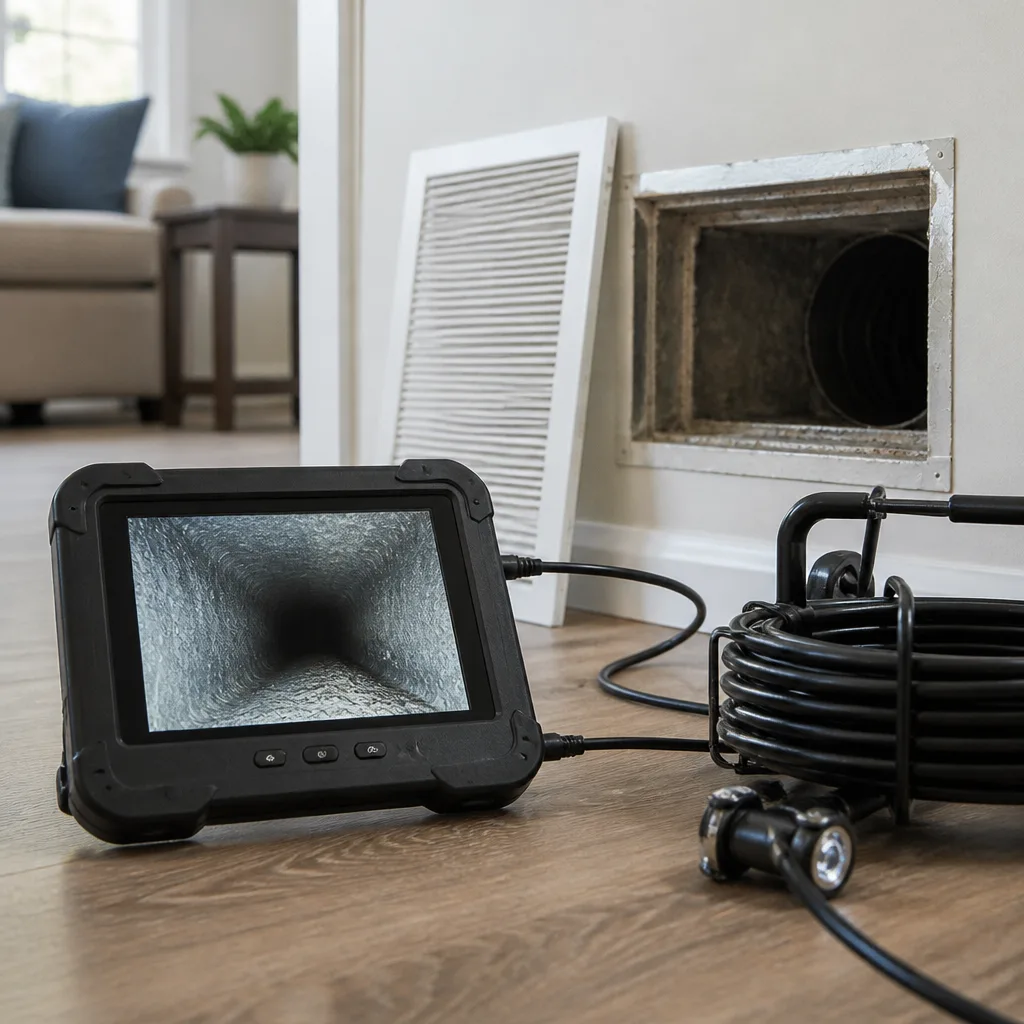 Camera inspection
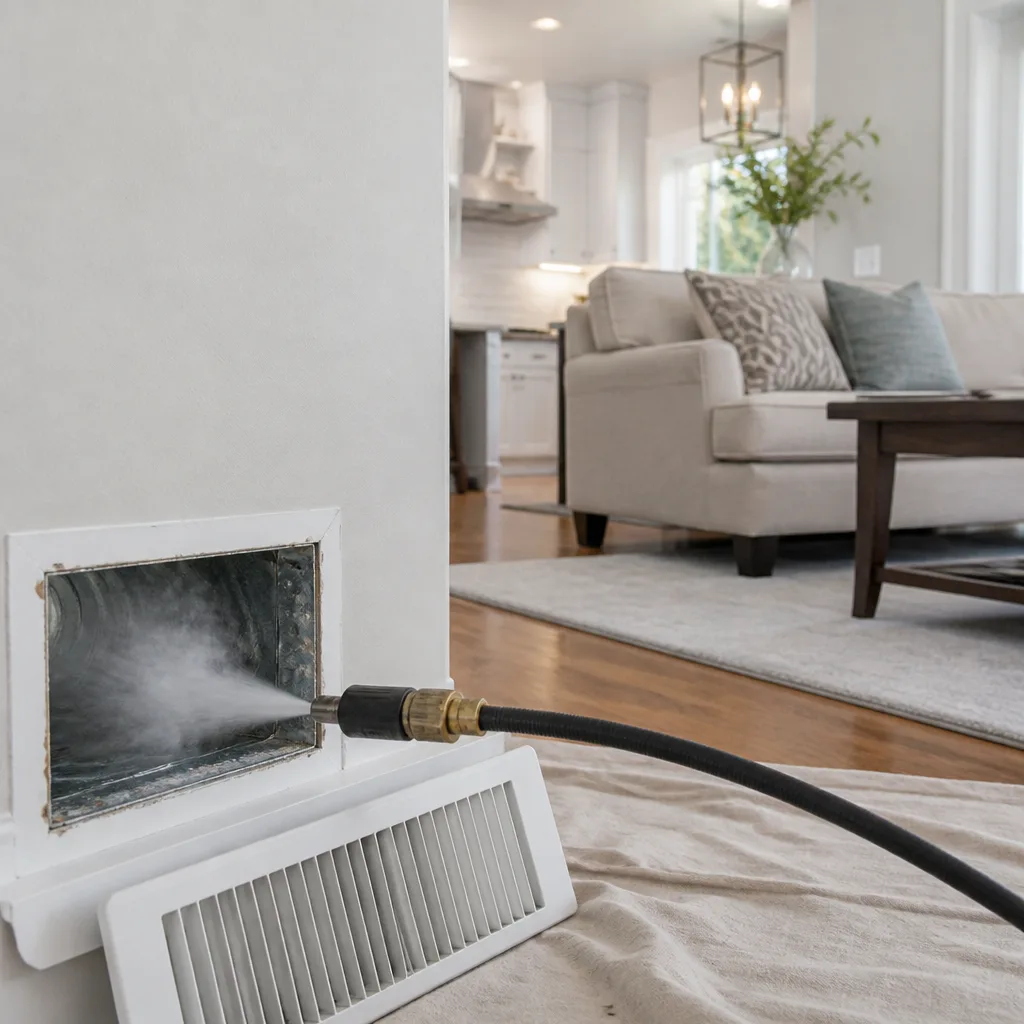 Sanitizing & deodorizing
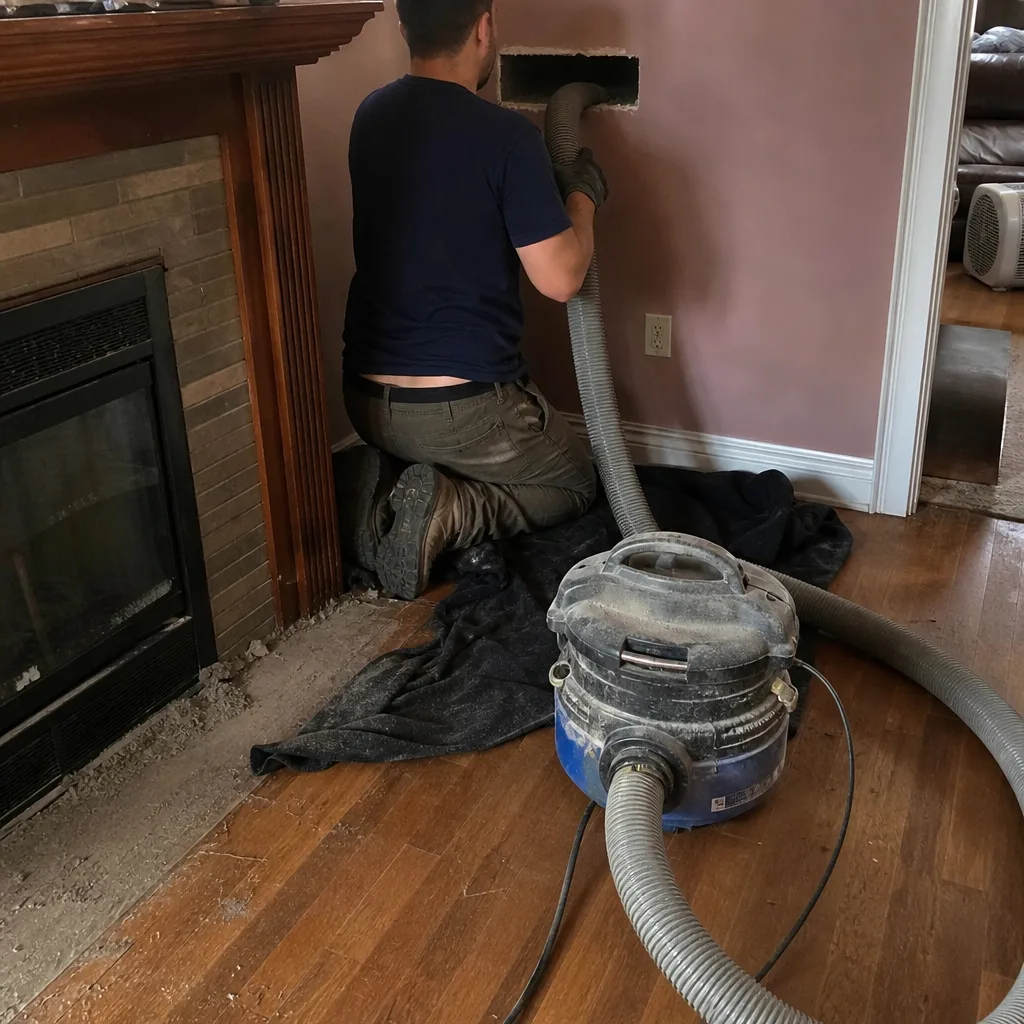
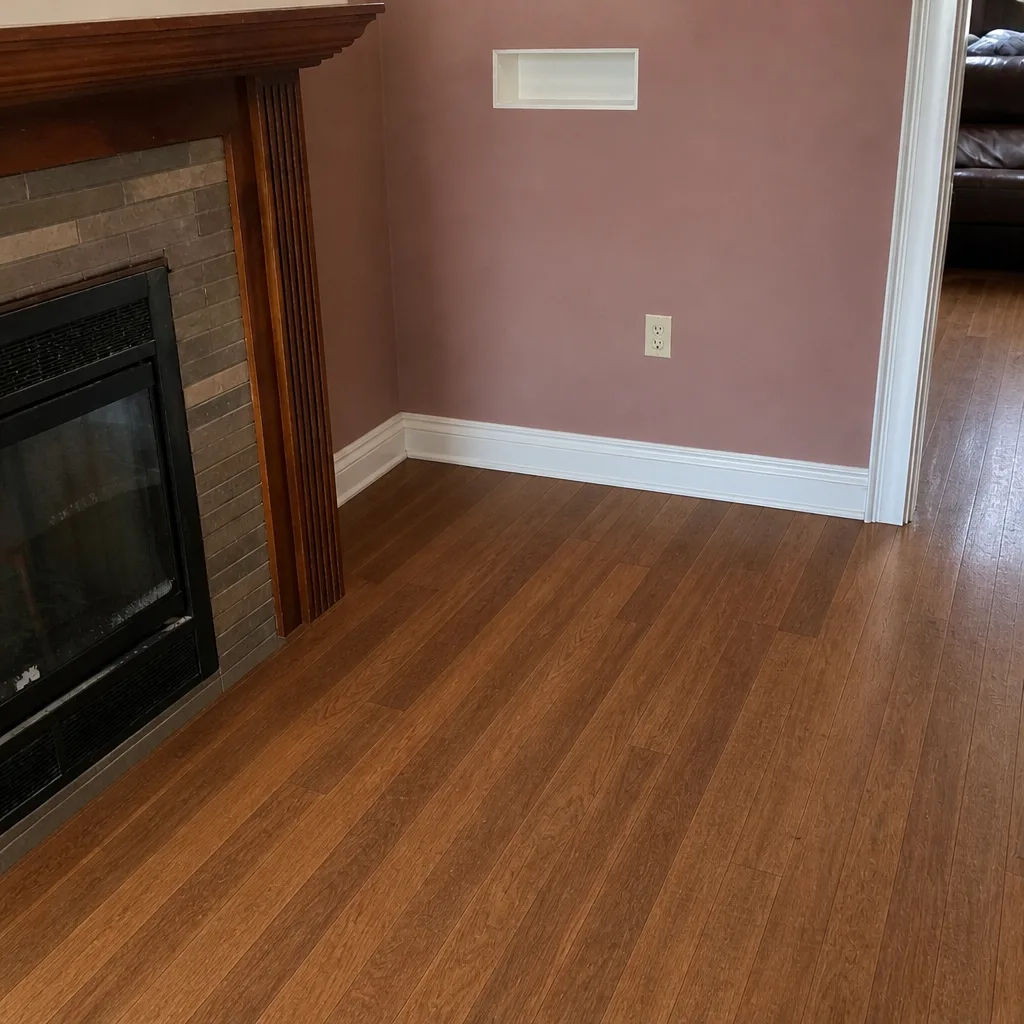
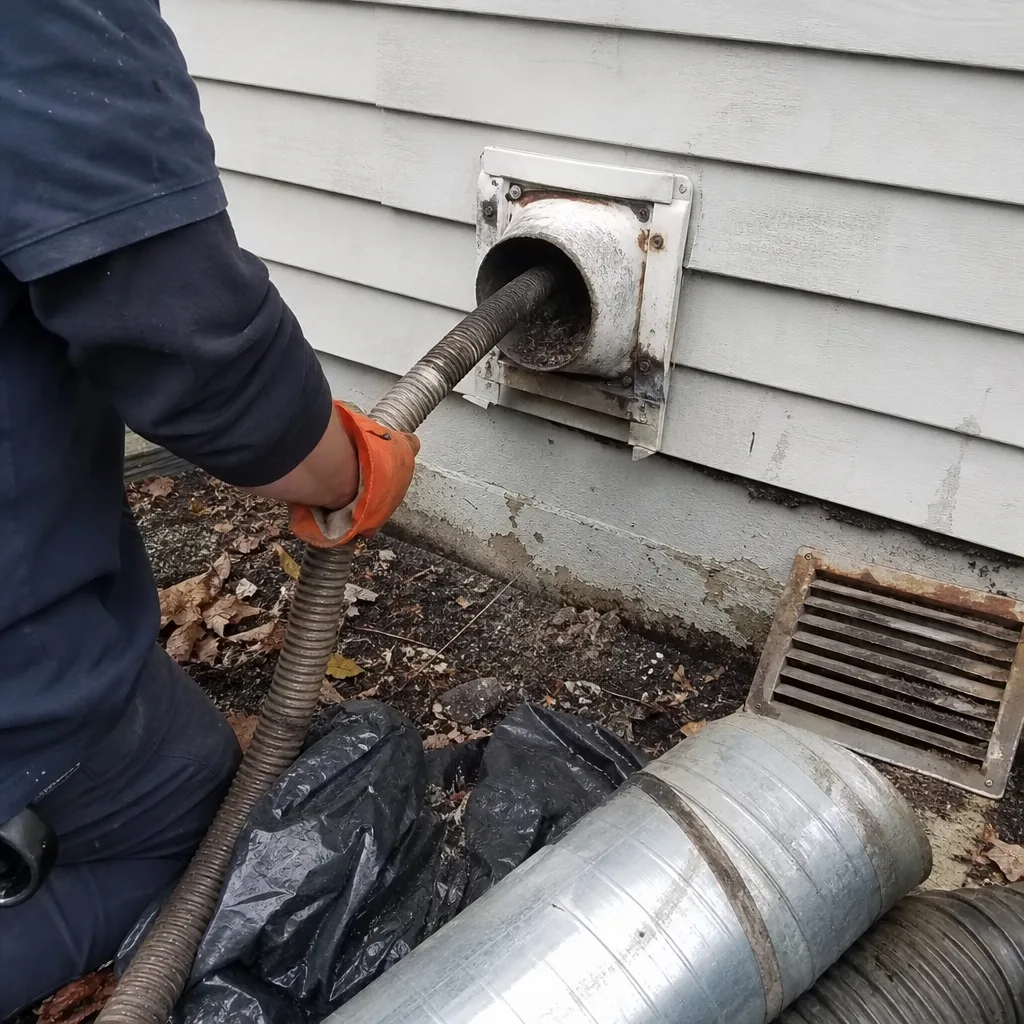
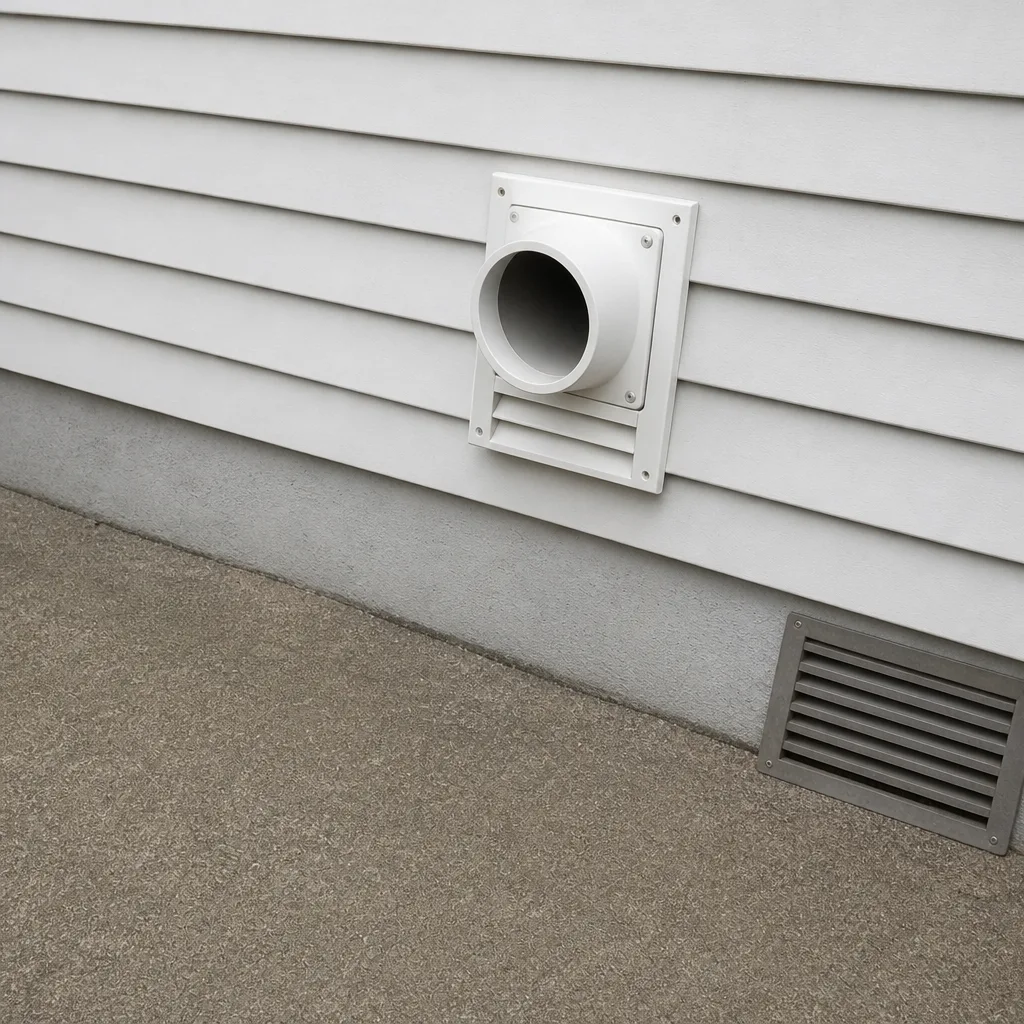
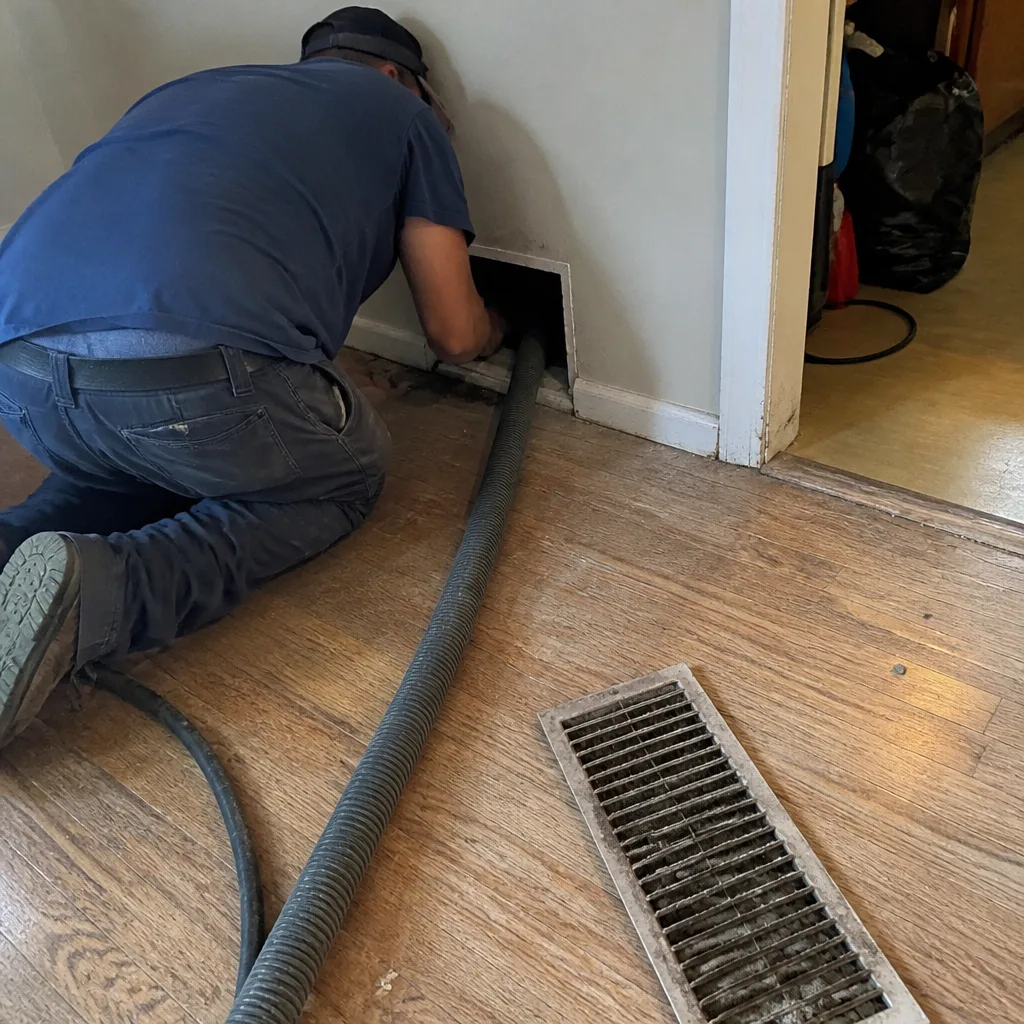
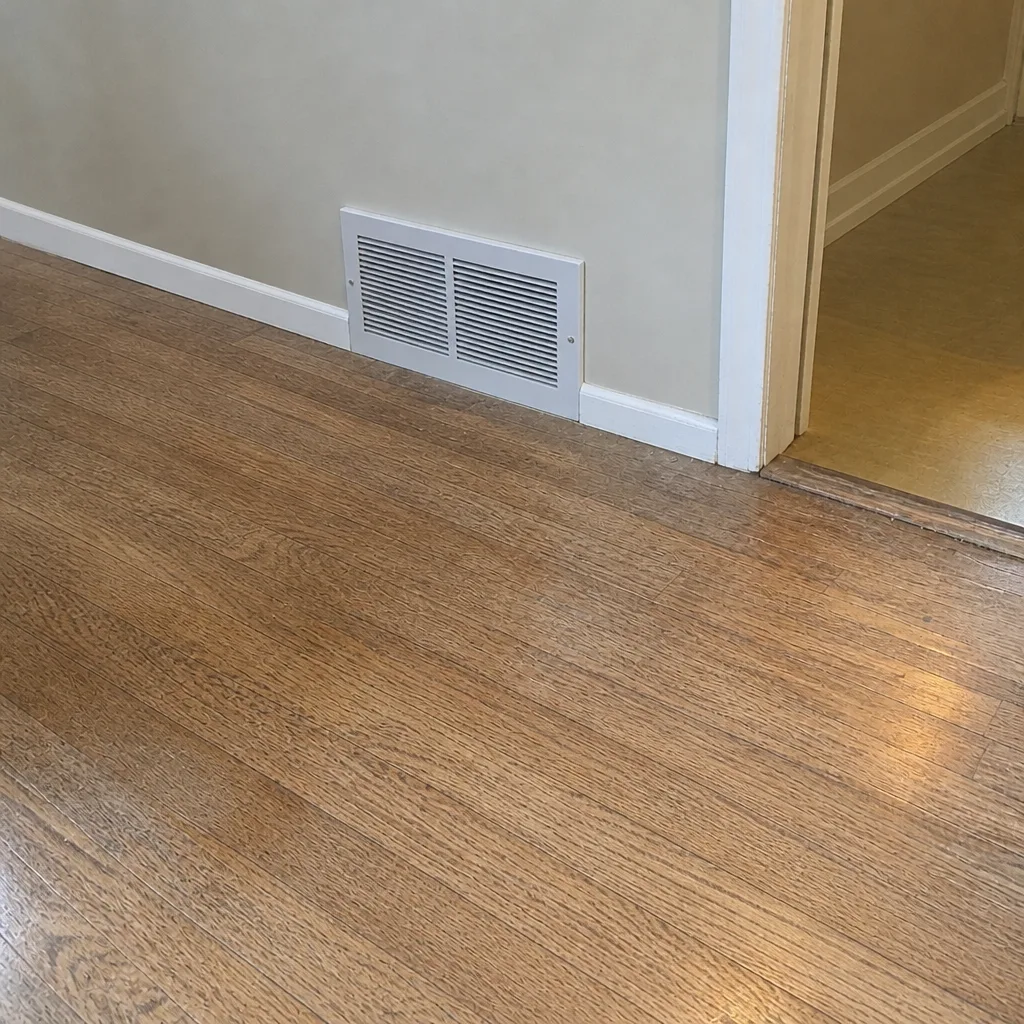
Whole-system duct and dryer vent check with before-and-after photos - you see exactly what came out of your vents
That "$99 whole-house special" is a bait ad - the real number appears once they are in your hallway, or the "clean" is a shop-vac at the register. We photograph the inside of your ducts before and after instead.
The Complete Guide to Air Duct Cleaning in Parkside
Most people think of duct cleaning as a housekeeping task: a truck pulls up, a hose goes in, dust comes out. That framing misses what’s actually happening inside the walls. A duct system is mechanical equipment. It moves air, it loses air, it collects whatever the building throws at it, and it degrades in ways you can measure. What you remove in a single cleaning matters far less than what that material tells you about the system it came from. In Parkside, where a lot of the housing predates 1980, that story gets specific fast. This guide walks through how Parkside’s building stock and climate shape duct contamination, why source removal beats surface wiping, and how to verify a job was actually done.
Quick Answer
Air duct cleaning in Parkside is the mechanical removal of accumulated debris, dust, and biological growth from the entire air delivery system – supply and return trunks, branches, registers, and the air handler – using negative-pressure containment and rotary brush equipment. On pre-1980 Parkside homes, it usually also involves inspecting joint integrity, because failing duct seams are what let contamination in and conditioned air out. A proper cleaning ends with a verification step, not a visual glance.
Styles & brands we work with
- Whole-home duct cleaning
- Dryer vent cleaning
- Camera inspection
- Sanitizing & deodorizing
Table of Contents
- Why Parkside Homes Need a Different Approach
- How Pre-1980 Housing Stock Shapes Duct Contamination
- Source Removal vs. Surface Wiping: What Actually Works
- What a Full-System Inspection Reveals Before Cleaning Starts
- How HVAC Configuration Changes the Cleaning Scope
- The Cleaning Process, Step by Step
- Why Verification Matters More Than a Visual Check
- What Air Duct Cleaning Costs in Parkside
- Common Mistakes to Avoid
- When to Call a Professional
- Frequently Asked Questions
Why Parkside Homes Need a Different Approach
Duct contamination is a function of three things: what the building is made of, what the climate does to it, and how the HVAC system is arranged. In Parkside, all three push in the same direction.
The housing stock here skews older. A meaningful share of homes went up before 1980, which matters more than most homeowners realize. Ducts installed in that era were frequently built from materials and assembled with methods that have not aged the same way modern sealed systems have. Galvanized sheet metal develops pinholes and separated seams over decades. Early flexible ductwork can sag, kink, and lose its inner liner. Joint tape dries and lifts. None of that is a defect in the original work – it’s just what happens to mechanical assemblies when they run for forty or fifty years.
Then there’s the climate. Parkside’s winters are cold enough that heating systems run long stretches, and the summer humidity means the cooling coil and the duct surfaces downstream of it stay damp for weeks at a time. That combination creates the classic conditions for biological growth inside the air handler and the first few feet of supply trunk. Mold needs moisture and a food source; dust provides the food source, and a humid summer provides the moisture.
We’ve opened plenty of Parkside systems to find a thin dark film on the coil cabinet and the first section of trunk that never appears further downstream. That pattern is a climate signature, not a housekeeping problem, and it tells you the system needs to be evaluated as a system.
How Pre-1980 Housing Stock Shapes Duct Contamination
The age of a Parkside house changes the type of contamination you find, not just the amount. Older construction produces different debris than recent builds, and it fails in different places.
Typical contamination by housing era
- Pre-1950 homes: Often converted from other heating systems, so the duct runs may follow irregular paths with more elbows and fewer access points. Debris collects heavily at the horizontal runs and low spots. Original galvanized ductwork may have multiple patched sections.
- 1950s to 1970s homes: Typically fitted with early flexible duct or unsealed sheet metal. Seam tape and mastic have often dried out. Contamination tends to enter at the mechanical room and along the return, pulling in air from basements, garages, and crawl spaces.
- 1980s and later: Better sealed on average, but more flexible duct in the run, which can trap debris in sagging sections and lose liner integrity where it’s stretched tight.
The practical difference shows up in the inspection. On a newer house, a crew can usually work through the registers alone. On a Parkside pre-1980 house, we often need to open additional access points in the trunk line to reach the sections that matter. That’s a scope decision, and it should be made before anyone starts cleaning, not in the middle of the job.
What older ducts leak
Duct leakage is the quiet half of the problem. A system with loose joints doesn’t just lose conditioned air; it pulls unconditioned air in from wherever the ducts run – attics, crawl spaces, basements, wall cavities. That incoming air carries insulation fibers, soil dust, and moisture. When you clean an older Parkside system without addressing the leaks, the ducts are clean for a while and then dirty again, because the pathway is still open. That’s why air duct cleaning in Parkside pairs so often with sealing work on homes of this vintage.
Source Removal vs. Surface Wiping: What Actually Works
There are two things sold as duct cleaning, and they are not the same service. Source removal uses mechanical agitation – rotary brushes and air whips – inside a duct held under negative pressure, so debris is loosened and captured, then carried out of the system to a collection unit. Surface wiping uses a rag, sometimes a vacuum hose at the register, sometimes a fogging product, and never reaches the interior surface of the duct beyond arm’s length.
If a contractor never opens a register, never connects a vacuum to the trunk, and finishes in under an hour, you’re getting a surface treatment. That isn’t fraudulent by itself; some companies sell it honestly as a light maintenance service. It just doesn’t address what’s on the inside of the duct walls, because contact cleaning of the full interior is physically impossible without equipment that goes inside.
Source removal done properly looks like this:
- Containment is set up first. Negative pressure is established at the air handler or a dedicated access point so that loosened debris moves toward the vacuum, not into the living space. Professional crews use HEPA filtration equipment for this – we run Abatement Technologies units for containment and filtration, which is a protocol standard borrowed from remediation work rather than everyday duct cleaning.
- The duct interior is agitated mechanically. Rotary brush systems, like the Rotobrush line, and forward-air tools reach the full circumference of the duct. Compressed-air whips handle the flexible runs a brush can’t negotiate.
- Debris is captured, not just moved. Everything loosened goes into a collection unit. This is the step where equipment quality separates a real job from a demo.
- The air handler, coil, and blower are cleaned. Cleaning the ducts while leaving a dirty coil and blower in place is like cleaning a floor and then walking on it in muddy boots.
The reason this matters in Parkside specifically comes back to the housing stock. Older systems have more inaccessible sections, more irregular runs, and more internal surface area per linear foot. Surface treatment on a house like that looks finished and isn’t.
What a Full-System Inspection Reveals Before Cleaning Starts
A real duct cleaning job starts with an inspection that answers three questions: how much contamination is there, what kind is it, and is the system structurally sound enough to clean. Skipping that step means the crew is working blind.
The three things we look for first
- Duct leakage. We check seams, connections at the air handler, and the return plenum. Loose joints are the entry point for the contamination you’re trying to remove, and they’re also where your conditioned air goes.
- Moisture and biological growth. The coil cabinet, the drain pan, and the first stretch of trunk downstream of the coil get particular attention. Any visible growth changes the job from cleaning to cleaning plus sanitizing, and it changes the equipment required.
- Pest activity. Rodent droppings, nesting material, and chewed duct board turn up more often than people expect in older Parkside homes, particularly where ducts run through basements and crawl spaces. This is a containment issue before it’s a cleaning issue, and it’s one more reason the work needs HEPA filtration on site.
What the inspection tells you about scope
An inspection also determines whether the system can be cleaned at all without repair. A flexible duct run with a torn inner liner can’t be cleaned effectively – the liner traps debris and agitation makes it worse. It needs to be replaced. Duct board that has absorbed moisture has to come out. Finding that before the job starts is how a written estimate stays a written estimate.
This is where a company that only cleans runs into trouble. If the only tool in the truck is a vacuum, every problem looks like a cleaning problem. Having air duct cleaning and repair under the same roof means the inspection can produce an honest scope, including the parts that aren’t cleaning.
How HVAC Configuration Changes the Cleaning Scope
No two air systems are arranged the same way, and the arrangement determines how much work a cleaning actually is.
Single-zone forced air
The most common setup in Parkside homes. One thermostat, one air handler, a supply trunk with branches to each room, and a return path that may be ducted or may be a central return grille with a panned joist cavity. That last detail matters: panned joist returns are common in older construction, and they’re notoriously difficult to clean because they were never designed to be. They also leak into the joist bay. Cleaning one properly means knowing it’s there before you start.
Multi-zone systems
Zoned systems have motorized dampers in the trunk. Those dampers are a debris trap at every transition, and they need to be worked around rather than through. Multi-zone cleaning takes longer per square foot because every zone is its own run of duct with its own branch points.
Forced air vs. radiant heat
Not every Parkside home has ducts, and this trips people up. A house with hot water radiators or in-floor radiant heat has no air distribution system to clean – but it still has an air handler if it has central cooling, and it definitely has a dryer vent. If you’ve moved into a Parkside home and you’re not sure which system you have, look for supply registers in the floor or wall. No registers, no duct system.
For homes that do have forced air, the air handler itself is part of the scope. A dirty evaporator coil restricts airflow, which raises static pressure, which stresses the blower motor and degrades comfort across the whole house. That’s why HVAC cleaning belongs in the same conversation as duct cleaning, not in a separate visit months later.
The Cleaning Process, Step by Step
Here’s what a full-system job looks like from the homeowner’s side of the door, in order.
- Inspection and written scope. The crew walks the system, checks the air handler, tests for leakage, and photographs what it finds. You get a written scope and a flat price for the system before any work begins.
- Containment and negative pressure. HEPA filtration units and the vacuum connection go in first. This is what keeps dust out of your living space during the job.
- Register and grille removal. Supply and return covers come off and get cleaned separately. This is also when the crew confirms access to the branch runs.
- Mechanical agitation of the duct interior. Rotary brush and air whip tools work from the trunk outward through each branch. The collector runs continuously.
- Air handler and coil cleaning. The blower wheel, coil surface, and drain pan get cleaned. This is often the dirtiest part of the system and the part most often skipped.
- Sanitizing where it’s warranted. If the inspection found biological growth or pest activity, an antimicrobial treatment goes on after cleaning, not instead of it. We use Guardsman products for this step.
- Duct sealing if leaks were found. Sealing the joints closes the pathway that let contamination in. Without it, the cleaning has a shorter shelf life.
- Verification and walkthrough. The crew documents the result and shows you before-and-after photos of your own ducts, not stock images.
The dryer vent is separate from the HVAC duct system and worth mentioning on its own. Lint accumulation in a dryer vent is a fire hazard, not just an efficiency problem, and it’s the one part of the air system most homeowners can’t inspect themselves. Dryer vent cleaning uses different equipment and a different access point than the HVAC ducts, so it’s a distinct line on the scope.
Why Verification Matters More Than a Visual Check
Anyone can shine a flashlight into a register and declare the job done. The register is the easiest surface to clean and the least representative of the system. Real verification looks at the things a flashlight can’t see.
What to ask for at the end of a job
- Before-and-after photos of your own duct interior, taken through an access point, not a photo of the register.
- Particle count readings where the equipment supports it. Airborne particle measurement before and after cleaning shows whether the work actually reduced what’s circulating in the space, which is the outcome that matters. A visible pass on a flashlight doesn’t tell you that.
- The air handler condition documented separately, since that’s where contamination often originates.
- A written record of what was found, including any leaks, growth, or damage, so you know what to watch going forward.
The reason this is worth insisting on comes down to how the duct cleaning trade has been sold. Discount offers that balloon into a much larger invoice once the technician is on site are common enough that homeowners have learned to be wary. The answer isn’t suspicion; it’s structure. One flat price per system, agreed before work starts, with the scope in writing. No per-vent pricing games. Before-and-after documentation of your ducts, not a stock photo. If a company can’t provide those three things, the price is not the problem.
What Air Duct Cleaning Costs in Parkside
Pricing depends on the number of systems, the number of branch runs, whether the air handler needs deep cleaning, and whether duct sealing is part of the job. Here’s how the work typically breaks down:
- Standard whole-home duct cleaning for a single-zone system up to roughly ten registers: the baseline scope, includes trunk, branches, registers, and air handler.
- Additional registers or branches: each extra run adds time and access work, which is why per-vent pricing is common in the trade and why we quote per system instead.
- Air handler and coil deep cleaning: often the dirtiest component and frequently excluded from a low headline price.
- Sanitizing treatment: added when inspection finds biological growth or pest activity, priced separately because it’s a separate step.
- Duct repair and sealing: priced by the scope of the leak, determined during inspection.
We don’t quote prices by phone for a system we haven’t seen. A cleaning estimate for a pre-1980 Parkside home with panned joist returns and multiple patched sections is genuinely a different job from one on a 1990s colonial. The estimate is free and the written scope sets the final price – that’s the structure that protects you, and it’s the one we work from.
Common Mistakes to Avoid
- Buying a per-vent price with no written scope. A per-vent number rewards the wrong things and leaves the trunk and air handler undefined. Ask for a flat price on the system with the scope in writing.
- Assuming the air handler gets cleaned. Many low-priced jobs cover the ducts and skip the coil and blower, which is where contamination often starts. Confirm it’s included before you book.
- Cleaning without addressing leaks. In older Parkside homes, loose joints and panned joist returns keep pulling in debris after the cleaning. Sealing is what makes the cleaning last.
- Skipping the pre-job inspection. A torn flexible duct liner gets worse when agitated. An inspection catches that before it becomes a repair.
- Accepting a visual check as verification. A clean register doesn’t mean clean ducts. Ask for photos of the duct interior and particle readings if available.
- Treating the dryer vent as part of the same service. It’s a separate system with a different safety profile. Make sure it’s on the scope if you want it done.
- Booking on the basis of a coupon without asking what it covers. The coupon price is for whatever the coupon says, which is usually less than the system. Ask what’s excluded.
When to Call a Professional
Some of these are obvious and some aren’t. Call a professional if you can see visible dust trailing from a supply register when the system runs, if you notice a musty or earthy smell when the heat or air comes on, if you’re finding more dust on surfaces than usual after cleaning, or if you’ve recently finished a renovation that generated fine drywall dust. Recent movers into older Parkside homes should have the system looked at before the first heating season, since you have no idea what the previous owner did with it. Anyone with allergies or respiratory sensitivity has a reasonable case for an inspection regardless of visible symptoms. And if the system has never been looked at in the time you’ve owned the house, that’s the answer on its own. Air Duct Cleaning Parkside offers free estimates in Parkside – call (833) 482-5968. We answer 24/7. Fast dispatch from 7am to 7pm, Sunday through Friday.
Frequently Asked Questions
It depends on the system, not the square footage or a per-vent rate. A single-zone home with a standard number of runs costs less than a multi-zone system with an untreated air handler and leaks at the plenum. The honest answer is that the price is set by a written scope after inspection, and any company quoting a firm number over the phone for a system it hasn’t seen is guessing. Call (833) 482-5968 for an exact quote – estimates are free.
Usually because they cover less. A low headline price frequently excludes the air handler and coil, uses a register-level vacuum rather than full containment, or prices per vent in a way that leaves the trunk undefined. None of that makes a cheap quote dishonest; it makes it a different scope. Compare what’s included, not just the number.
Ask for before-and-after photos taken inside your ductwork through an access point, and ask whether particle count readings are available. Airborne particle measurement before and after gives you a number that reflects what’s circulating in your home. A flashlight check at the register doesn’t tell you much, because the register is the easiest surface in the system.
There’s no universal schedule. A newer, well-sealed system in a home without pets or allergies can go many years between cleanings. An older Parkside house with unsealed ductwork, a damp coil cabinet, or recent renovation dust may need attention sooner. Inspection findings should drive the interval, not a calendar.
Reducing what’s circulating in the air can help, and source removal is the part that matters – surface wiping doesn’t change airborne particle levels. If the inspection finds biological growth and it goes untreated, cleaning alone won’t fully address it. Sanitizing and, where needed, sealing close the loop.
Yes, though the access points and containment setup differ. Sealed-combustion equipment, condensing furnaces, and high-velocity small-duct systems each need specific handling, and the crew needs to know which one is in the house before arriving. Mention the system type when you book so the scope is right the first time.
The Bottom Line
Duct cleaning in Parkside is a mechanical job on a mechanical system. The housing stock matters because pre-1980 construction produces more leakage, more irregular runs, and more contamination pathways. Climate matters because humid summers and long heating seasons create the conditions for growth in the air handler. And verification matters because the only proof of a completed job is documentation of your own ductwork, not a clean-looking register. One flat price per system, agreed before work starts, with the scope in writing. That’s the structure that makes the rest of it trustworthy.
Call (833) 482-5968 for a free estimate. We answer 24/7. Fast dispatch from 7am to 7pm, Sunday through Friday.
Written by the team at Air Duct Cleaning Parkside.
See the difference
 Before
 After
 Before
 After
 Before
 After