
Last updated November 25, 2026
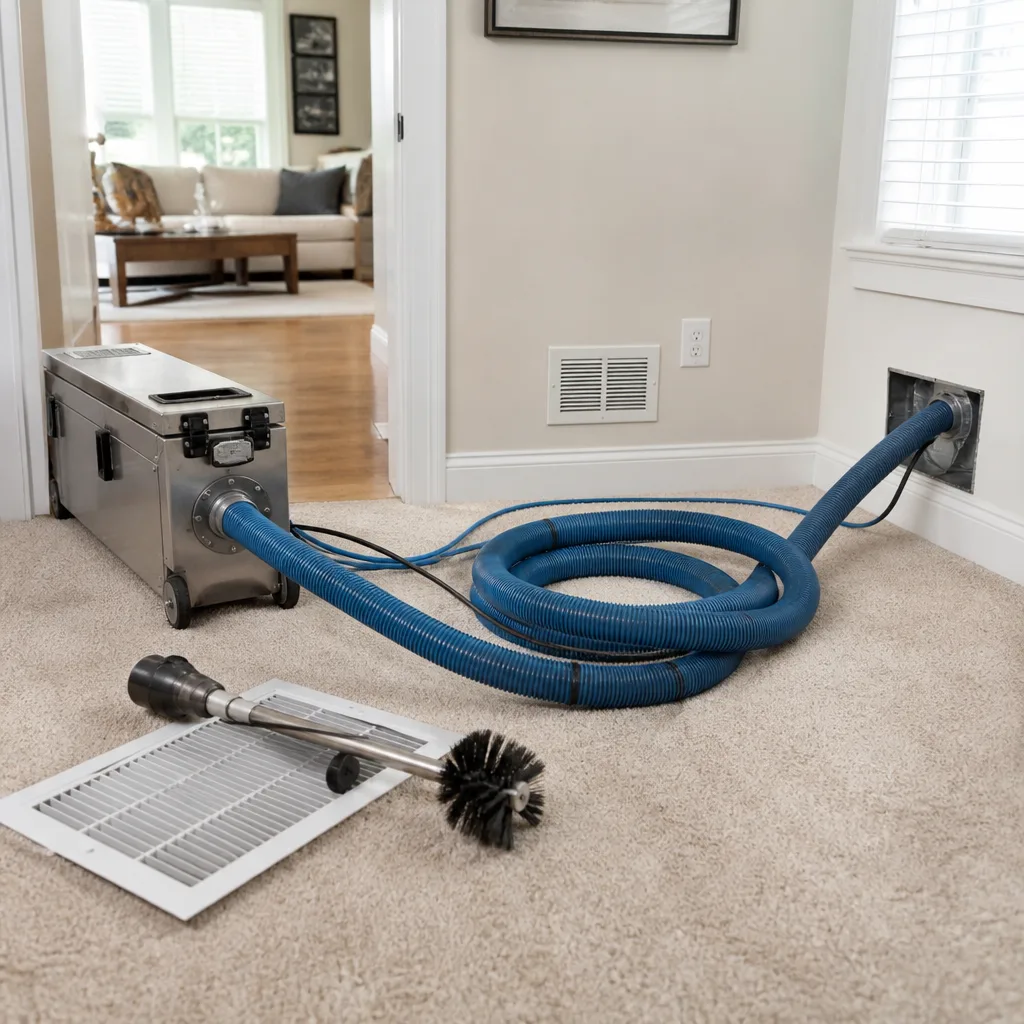 Whole-home duct cleaning
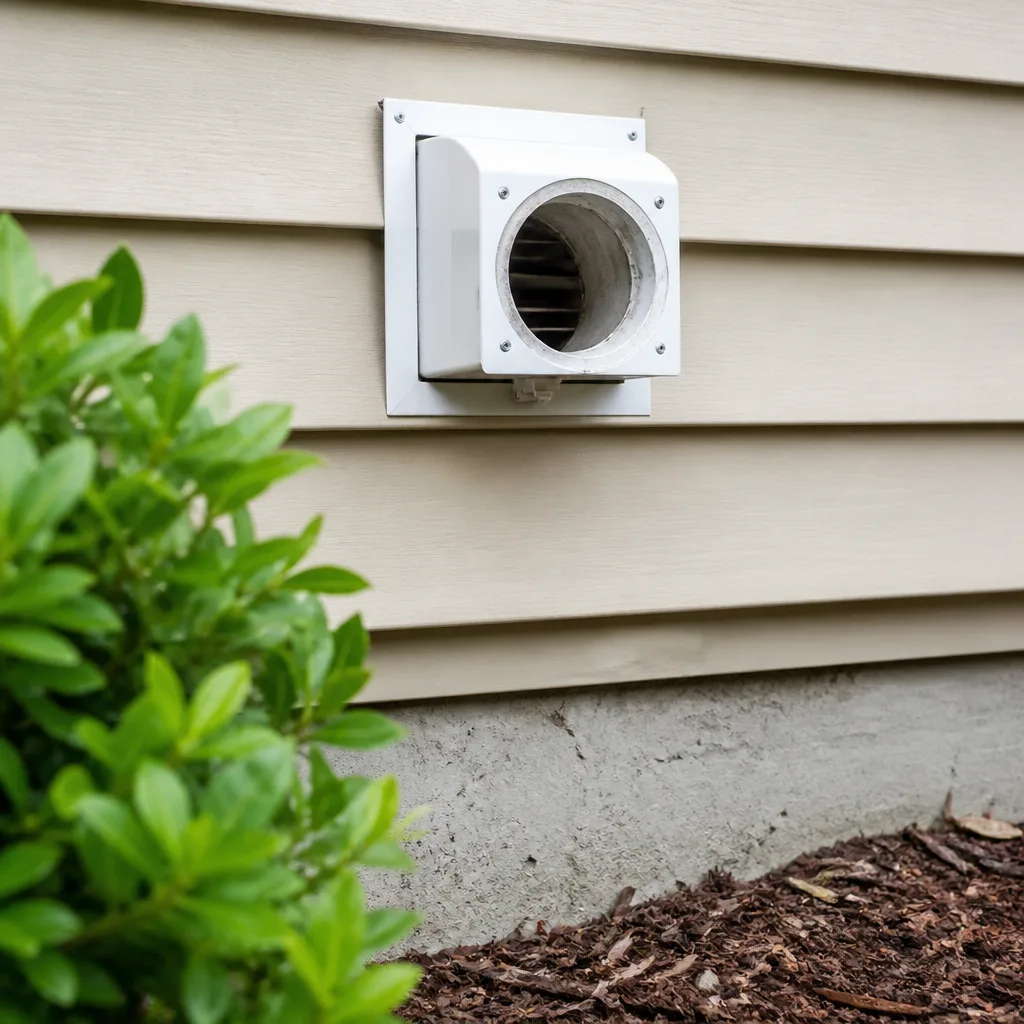 Dryer vent cleaning
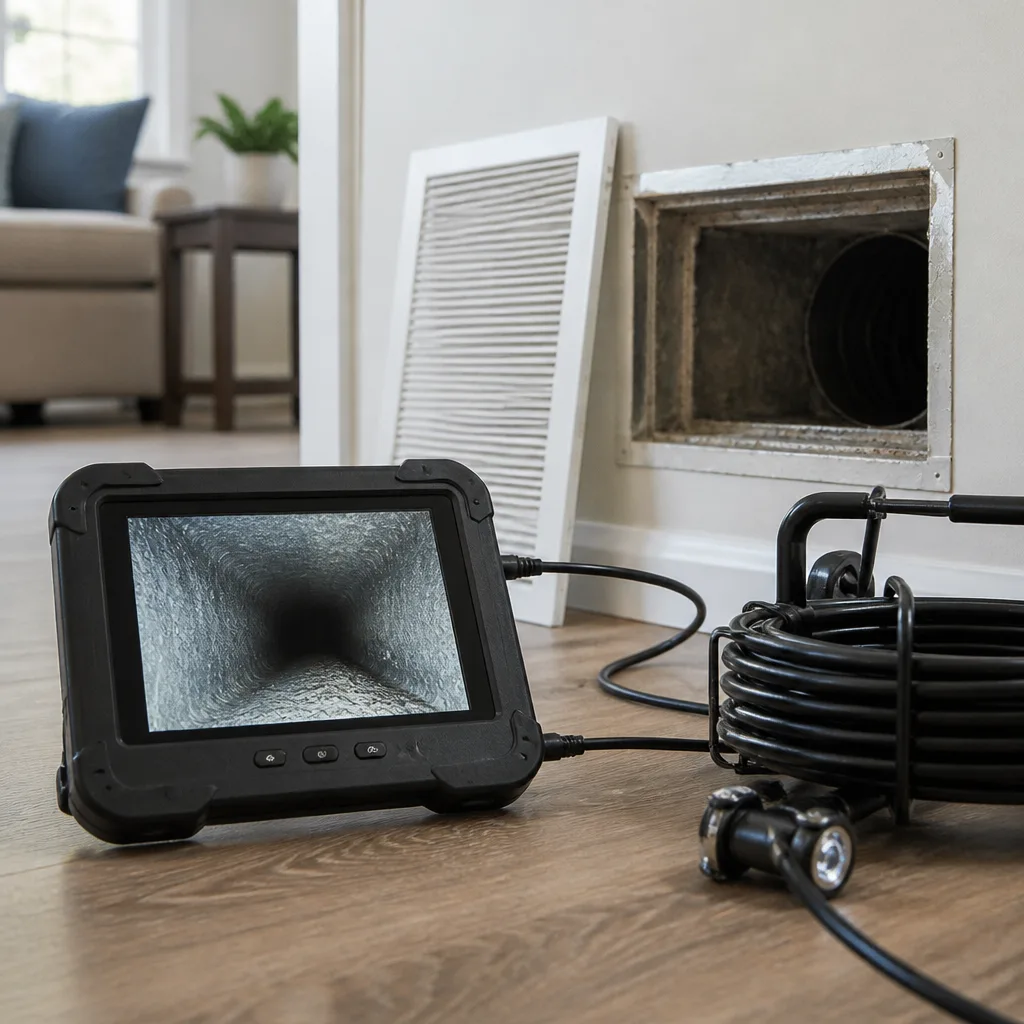 Camera inspection
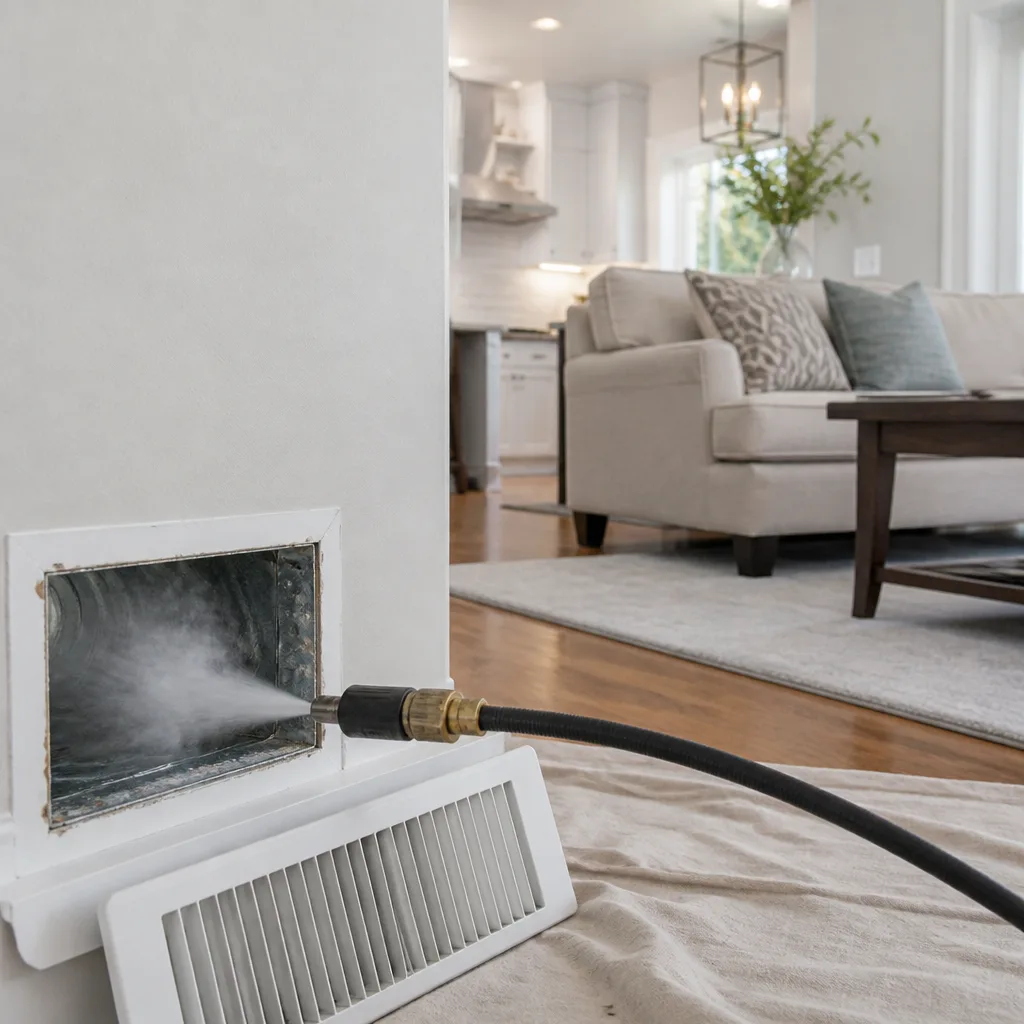 Sanitizing & deodorizing
Whole-system duct and dryer vent check with before-and-after photos - you see exactly what came out of your vents
That "$99 whole-house special" is a bait ad - the real number appears once they are in your hallway, or the "clean" is a shop-vac at the register. We photograph the inside of your ducts before and after instead.
How to Hire an Air Duct Cleaning Contractor in Parkside: A Step-by-Step Guide
In New York State, anyone with a shop vac and a website can legally call themselves an air duct cleaning company. There is no statewide license for this trade, which means the screening process falls entirely on you. That’s the part most homeowners don’t realize until after the work is done. A cheap quote and a stack of before-and-after photos aren’t proof of anything if you never asked what equipment showed up and how the crew kept the dust from settling back into your living room. This guide walks you through the questions, red flags, and written requirements that separate real contractors from van-and-vacuum operators in Parkside.
Quick Answer
To hire an air duct cleaning contractor in Parkside, ask five questions before you accept any quote: what equipment they use, how they verify negative pressure, what’s in their written scope of work, whether they document before and after, and what their warranty covers. A trustworthy contractor answers all five without hesitation and puts the answers in writing. If a company can’t explain its equipment or its containment method, keep looking.
Styles & brands we work with
- Whole-home duct cleaning
- Dryer vent cleaning
- Camera inspection
- Sanitizing & deodorizing
Table of Contents
- Why New York Has No Licensing Bar for Duct Cleaners
- The Five Technical Questions to Ask Before Getting a Quote
- What NADCA Certification Actually Means Mechanically
- Red Flags Specific to Low-Bid Operators
- How to Read a Quote: Line-Item vs. Flat Rate
- What to Require in Writing Before Work Starts
- Hiring in Parkside: What’s Specific to This Neighborhood
- How to Verify the Work Was Actually Done
Why New York Has No Licensing Bar for Duct Cleaners
New York State does not issue a license for air duct cleaning. Unlike electrical work or plumbing, where a license class and a state exam stand between the public and the trade, duct cleaning sits in an unregulated category. There’s no exam to pass, no continuing education requirement, and no state registry to check. That’s the structural reason this decision rests on you.
The practical consequence: a contractor with a professional rotary brush system and HEPA containment equipment and a contractor with a consumer-grade vacuum and a ladder can both hand you a business card that says “air duct cleaning.” Both can quote you a price. Both can show up. What separates them is what’s in the truck and what’s in the paperwork, and you have to ask for both.
In Parkside, that gap matters because the housing stock is largely mid-century. Homes built in the 1950s through the 1970s often have ductwork that has never been professionally cleaned and, in some cases, was never properly sealed. The duct runs are long, the joints are taped rather than sealed, and the return side can pull dust from a crawl space or an unconditioned basement. A surface vacuuming won’t touch that. A full-system cleaning with proper containment will, but only if the contractor has the equipment to do it.
What you’re screening for, then, isn’t a piece of paper from the state. It’s evidence of technical capability. That’s what the rest of this guide gives you the language to check.
The Five Technical Questions to Ask Before Getting a Quote
These are the questions that separate a real contractor from a low-bid operator. Ask them before anyone comes out. A legitimate company answers them in a sentence or two. A company that stumbles on the first one is telling you something.
- What equipment do you use? The industry standard is a rotary brush system paired with a high-powered negative-pressure vacuum. Rotobrush and Nikro are the brands most professional crews run. A shop vac is not equipment. A leaf blower is not equipment. Listen for a brand name and a description of the brush head and vacuum setup.
- How do you verify negative pressure during cleaning? Negative pressure means the vacuum is pulling harder than the brush is agitating, so dislodged dust travels out of the system instead of into your living room. A contractor should be able to explain how they measure it and where they set up the vacuum. If they can’t describe the concept, they aren’t running proper containment.
- What’s in your written scope of work? A real scope lists which duct runs will be cleaned, how many supply and return branches, what access points will be cut, how they’ll be sealed afterward, and what the post-cleaning verification standard is. A quote that says “clean ducts” is not a scope.
- Do you document before and after? Photos of the actual ducts in your home, taken before and after cleaning, are the only proof that the work happened. Ask to see them and ask when you’ll receive them.
- What does your warranty cover? Not the marketing line on the website. The specific terms in writing: how long, what’s covered, and what happens if a duct is damaged during cleaning. A contractor who can’t answer this in writing is a contractor who hasn’t thought about it.
Ask these questions by phone before you schedule. The answers themselves matter less than whether the answers are specific. “We use the best equipment available” is not an answer. “We run a Rotobrush rotary brush with a HEPA vacuum and we set up containment at the main trunk” is.
What NADCA Certification Actually Means Mechanically
NADCA stands for the National Air Duct Cleaners Association. It publishes the industry’s most widely referenced standard for how duct cleaning should be performed, including the Assessment, Cleaning, and Restoration protocol for HVAC systems. When a company says it follows NADCA standards, that’s a claim about method, not a license. It’s worth understanding what the method actually requires so you can test the claim.
The NADCA-aligned approach requires source removal: contaminants are physically dislodged from the duct surfaces and removed from the system, not just stirred up. That means agitation (a rotary brush or compressed air whip), simultaneous negative pressure (a vacuum pulling harder than the agitation), and containment (sealing openings and protecting the living space). It also means cleaning the components beyond the ducts themselves: the blower, the evaporator coil, the drain pan, and the accessible interior of the air handler.
In our experience, the certification badge on a website means less than whether the crew can describe source removal and negative pressure without reciting a script. Ask the question: “Walk me through how you clean a single supply branch from start to finish.” If the answer includes containment, agitation, vacuum, and verification, you’re talking to someone who understands the method. If the answer is “we put a vacuum on the main and brush it out,” ask a follow-up about how they keep dust from entering the room. The pause that follows is its own answer.
NADCA also maintains a directory of certified firms. That’s a useful starting point, but it isn’t a substitute for the five questions above. Certification is a signal. The equipment and the scope of work are the reality. For a deeper look at how professional equipment changes the outcome, see our page on air duct cleaning.
Red Flags Specific to Low-Bid Operators
The low-bid operator has a recognizable pattern. Once you know it, you can spot it on the phone in about three minutes. Here are the signals to watch for in Parkside and anywhere else.
- Flat-rate pricing with no system assessment. A company that quotes a single price before asking how many systems, how many branches, or what condition the ducts are in is guessing. Real pricing depends on the layout. If they haven’t assessed the system, the quote is a number pulled out of the air.
- No before-and-after documentation. A contractor who will not photograph the ducts before and after is a contractor who isn’t confident the work will show. Ask directly: “Will I get photos of my own ducts?” If the answer is anything other than yes, walk.
- No written scope of work. The quote is a number on an invoice. The scope is what you’re actually buying. If the contractor won’t put the access points, the containment method, and the verification standard in writing before the work begins, you have no way to hold them to anything.
- Per-vent pricing as the headline. A price per vent is a way to hide the real cost. It says nothing about the condition of the ducts or the work required to clean them properly. Whole-system pricing is the honest way to quote this work.
- Pressure to decide before the assessment. A contractor who offers a discount for booking on the spot, before any inspection, is selling a coupon, not a service. The assessment comes first. The price follows.
- No explanation of containment. If the operator can’t describe how they’ll keep dust from blowing through your living room while they work, they don’t have a containment method. That’s a health concern, not a convenience one.
One more, less obvious: a contractor who won’t tell you which ducts they plan to leave alone. Every system has runs that are inaccessible or so deteriorated that cleaning would do more harm than good. A professional will flag those before starting. A low-bid operator won’t mention them because acknowledging them raises questions about the quote.
How to Read a Quote: Line-Item vs. Flat Rate
The structure of a quote tells you almost as much as the number at the bottom. A line-item quote, priced by component, is more trustworthy than a per-vent rate or a per-home flat rate, for a simple reason: it shows you what the contractor thinks is involved. When that thinking is visible, you can compare quotes on equal terms and ask specific questions about the parts that seem thin.
| Quote structure | What it tells you | What to watch for |
|---|---|---|
| Line-item by component | Which systems, how many branches, whether the blower and coil are included, what containment method | Missing line items for the coil, blower, or containment |
| Per-vent rate | How much per opening, nothing else | The real total once the branch count is confirmed |
| Per-home flat rate | One number regardless of system size or condition | A number set before any assessment happened |
A line-item quote for a Parkside home might break out the main trunk, the supply branches, the return branches, the air handler and blower, and the coil, with the containment method noted separately. It might also include a line for duct repair and sealing if the assessment found disconnected joints or deteriorated flex duct. That last line matters. Cleaning a leaking duct system is like vacuuming a room with the windows open. If a contractor offers cleaning without addressing duct integrity, ask why. Our page on HVAC cleaning covers how the air handler and coil fit into this work.
What you’re looking for in the quote is evidence that the contractor looked at your system and thought about it. A number that could have been generated before they arrived is a number that wasn’t.
What to Require in Writing Before Work Starts
Get the following in writing before anyone opens a duct or cuts an access point. This is the part most homeowners skip, and it’s the part that protects you if something goes wrong. A professional contractor will provide all of it without being asked. If you have to push, that’s information too.
- Access points. Which ducts will be accessed, where the openings will be cut, how they’ll be sealed afterward, and who restores the finish. Small access cuts are normal in this trade; unsealed holes and patched drywall are not.
- Containment method. Where the vacuum and containment will be set up, how the living space will be protected, and what air filtration equipment will run during the job. This is where the equipment matters. Abatement Technologies filtration equipment is what remediation-level work uses for containment; a contractor who’s never heard of it is likely working without proper filtration.
- Post-cleaning verification standard. How the contractor will confirm the ducts are actually clean: visual inspection, photo documentation, or both. Agree on the standard before work starts so there’s no argument afterward.
- Warranty terms. What’s covered and for how long, in writing. Duct repair and sealing should be covered separately from the cleaning itself.
- Final price. The written estimate sets the final price. There is no per-vent charge, no surprise add-on for the coil, and no charge for the assessment. One flat price per system, agreed before work starts.
If your home also has a dryer vent that’s never been cleaned, ask whether that’s included or quoted separately. It’s a different system with different equipment, and it should be a separate line. Our guide to dryer vent cleaning explains why that vent is worth its own appointment. The main point here is that a written scope separates one system from another, so you know what’s covered and what isn’t.
Hiring in Parkside: What’s Specific to This Neighborhood
Parkside’s housing stock shapes what a duct cleaning assessment is likely to find. The neighborhood grew up largely in the postwar decades, and much of that original ductwork is still in place. Several things follow from that.
First, mid-century duct systems were often installed with taped joints rather than sealed ones. Tape fails, and when it does, the ducts leak into unconditioned space: basements, crawl spaces, wall cavities. That leak path is exactly where contaminants enter. A cleaning that doesn’t address the leaks is incomplete. Duct repair and sealing usually belong in the same conversation as cleaning, not in a later appointment.
Second, some of the original ductwork is flex duct. The inner liner of flex duct can degrade over time, especially where it passes through hot attics or damp crawl spaces. A contractor assessing a Parkside home should inspect the flex runs, not just the rigid trunk. If the liner is torn, cleaning can send fragments downstream. The assessment should catch that before the work starts.
Third, the climate here gives the system a work cycle that shifts season to season. Cold winters mean the furnace runs hard for months, pulling more air through the ducts. Humid summers mean the air conditioner and coil see heavy condensation cycles. Both patterns accelerate dust accumulation and, on the coil side, biological growth. A system that ran through a full heating season in a mid-century Parkside home is a system worth assessing.
Fourth, the neighborhood is compact. Homes sit close together, and construction and renovation dust moves between them. If you’ve recently renovated, or if a nearby property has, that’s a reason to have the ducts assessed. So is a recent move into a home whose service history you don’t know. In our experience, the homes that need this most are the ones that have never had it done. To understand how the full-system approach works, see our overview at Air Duct Cleaning Parkside.
How to Verify the Work Was Actually Done
Verification is where the industry’s reputation problem lives. Homeowners don’t trust that the work happened because, in too many cases, it didn’t. You can protect yourself by requiring three things, all of which a legitimate contractor provides without being asked.
- Before-and-after photos of your own ducts. Not stock images. Not photos from another job. The actual runs in your home, timestamped and documented. Ask when you’ll receive them and confirm the format before work starts.
- A written post-cleaning report. Which ducts were cleaned, which were not, and why. Any damage or deterioration found during the work, noted in writing. This is the record that tells you the state of your system after the job.
- A visual walk-through at the end. The contractor should walk the system with you, showing the access points and confirming they’ve been sealed. If they leave without that walk-through, ask for it before they go.
The verification step is also where you find out whether the contractor’s equipment did its job. A rotary brush and negative-pressure vacuum leave the duct interior visibly clean: no visible dust film on the flat surfaces, no debris in the branches. If the photos show a light dusting still clinging to the ducts, the cleaning was incomplete. That’s not a matter of opinion. It’s visible.
One note on what verification is not. It’s not a promise that your ducts will never need cleaning again. It’s a record of the condition of your system on the day the work was done. Keep that record. It’s the baseline for the next assessment.
Common Mistakes to Avoid
- Booking on price alone. The lowest quote in Parkside is usually the lowest for a reason: no containment, no documentation, no scope. You’re not buying a price. You’re buying the method behind it.
- Skipping the assessment. A contractor who quotes before assessing your system is guessing. Insist on the assessment first, and expect the quote to follow from what they find.
- Not asking about equipment by name. “Professional equipment” means nothing. Rotobrush and Nikro are brand names that indicate a real setup. Ask for the name.
- Ignoring duct integrity. Cleaning a leaking duct system is a waste of money. If the assessment doesn’t mention duct condition and sealing, ask about it directly.
- Accepting a quote with no written scope. The scope is the contract. Without it, you have no way to hold the contractor to the standard you discussed.
- Never asking for photos. The single fastest way to separate a real contractor from a low-bid operator is to ask for before-and-after photos of your own ducts. A real one says yes without hesitation.
- Forgetting the dryer vent. Many homes in Parkside have a dryer vent that’s never been cleaned. It’s a separate system and a separate appointment, and it’s worth asking about while you have the contractor on the phone.
See the difference
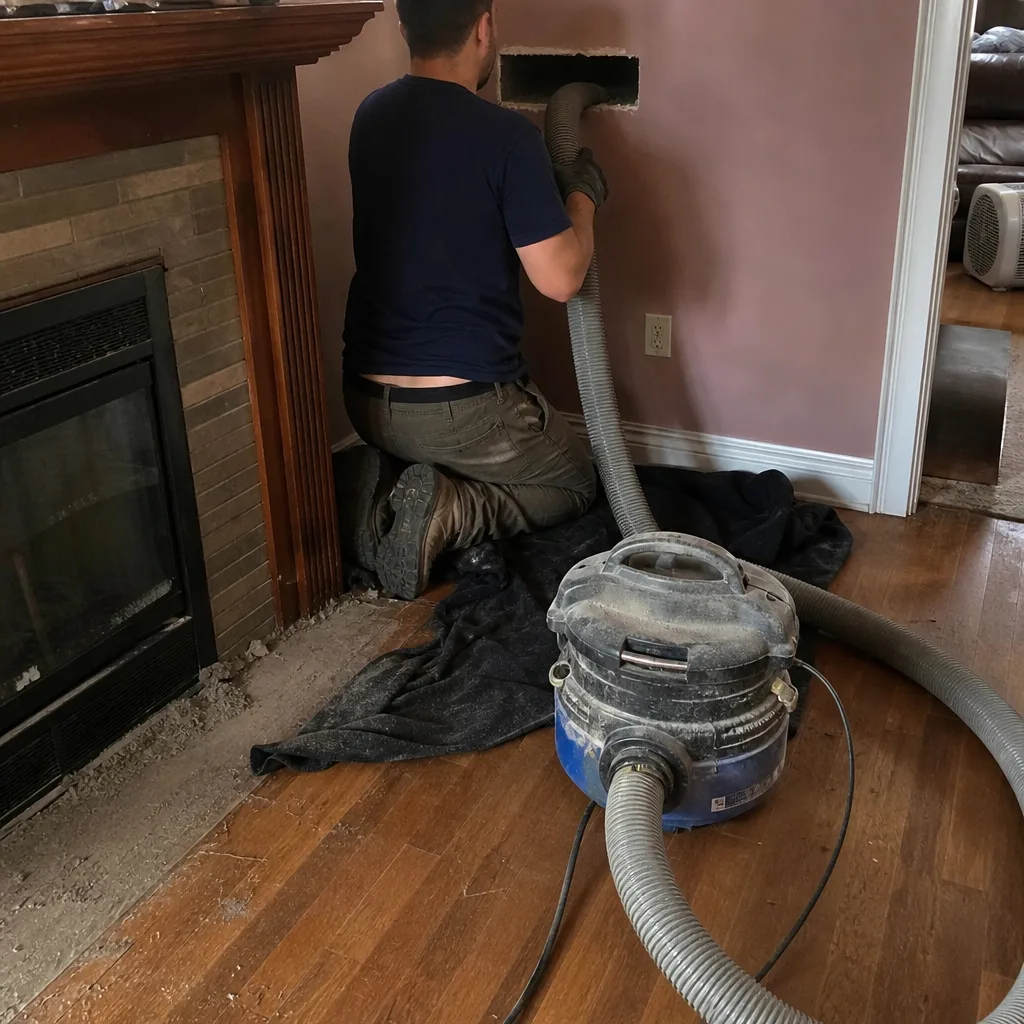 Before
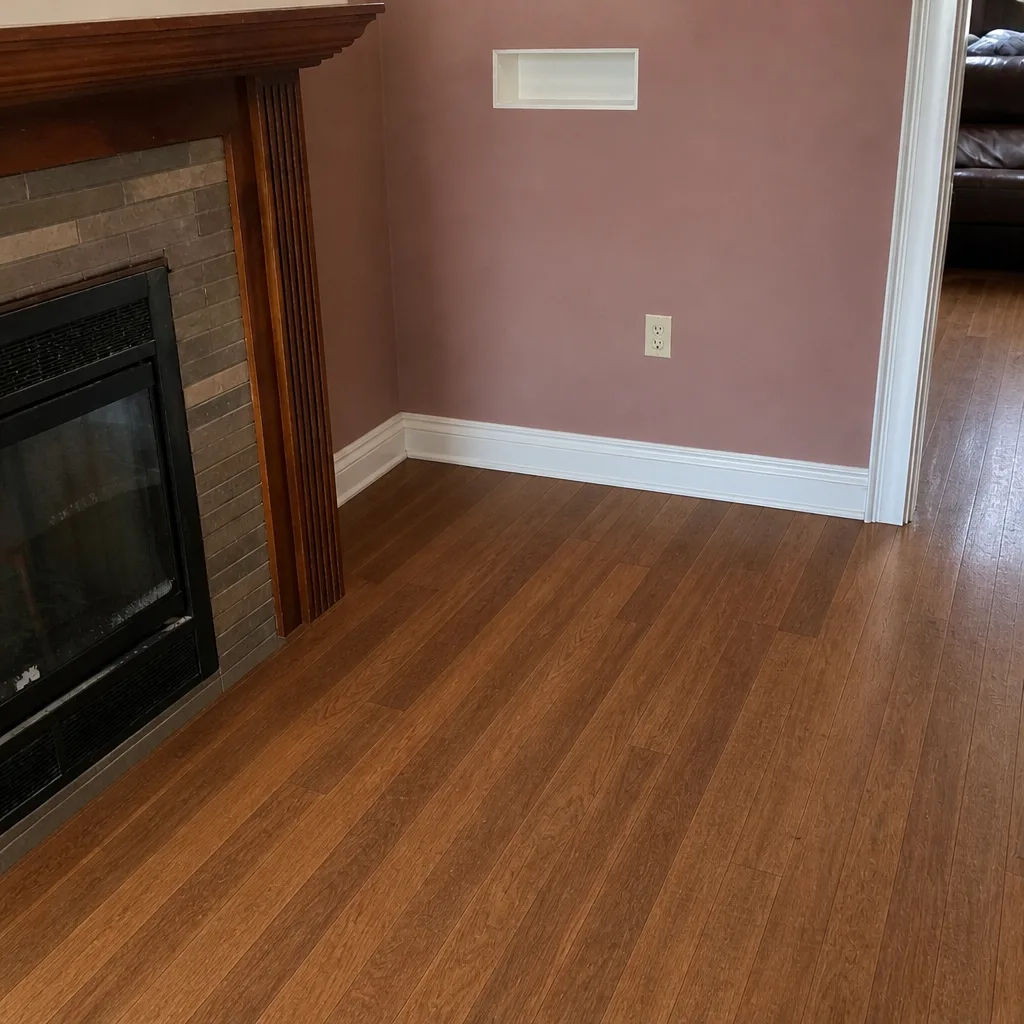 After
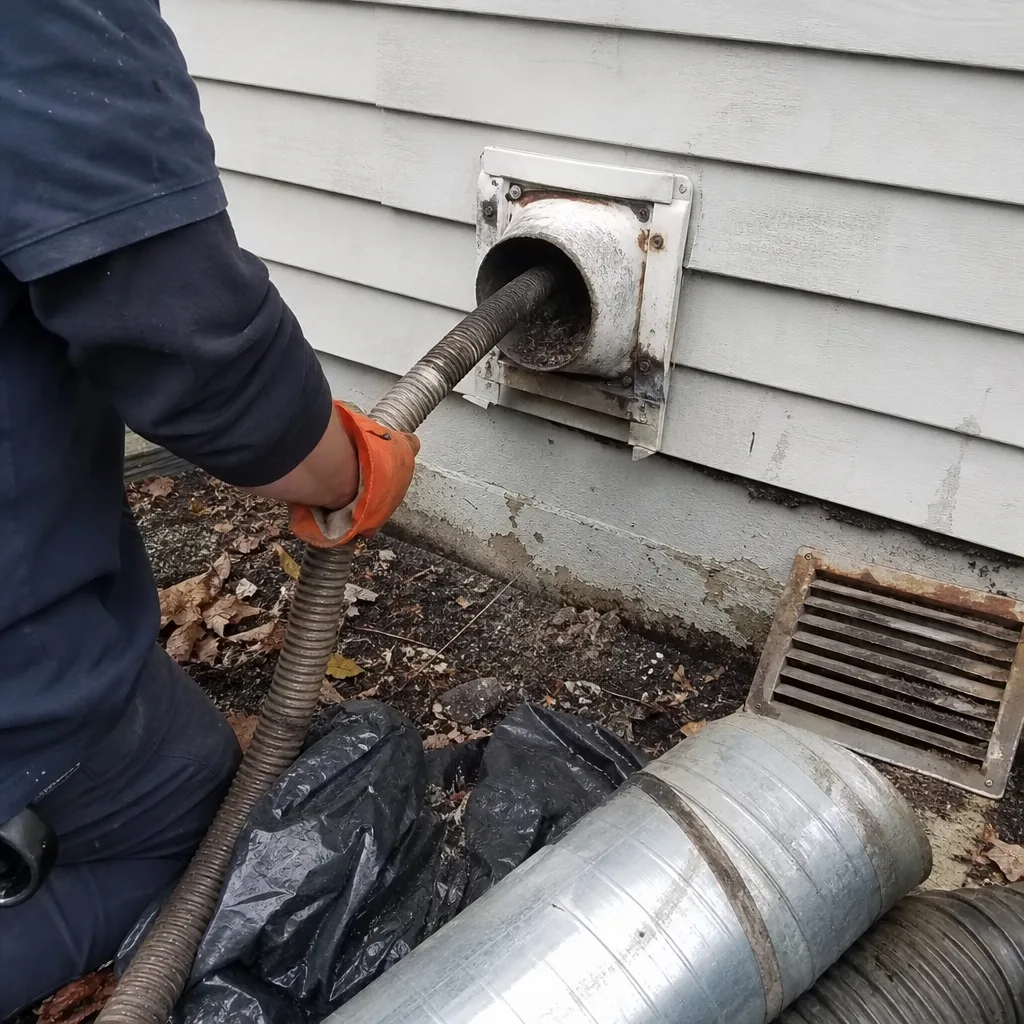 Before
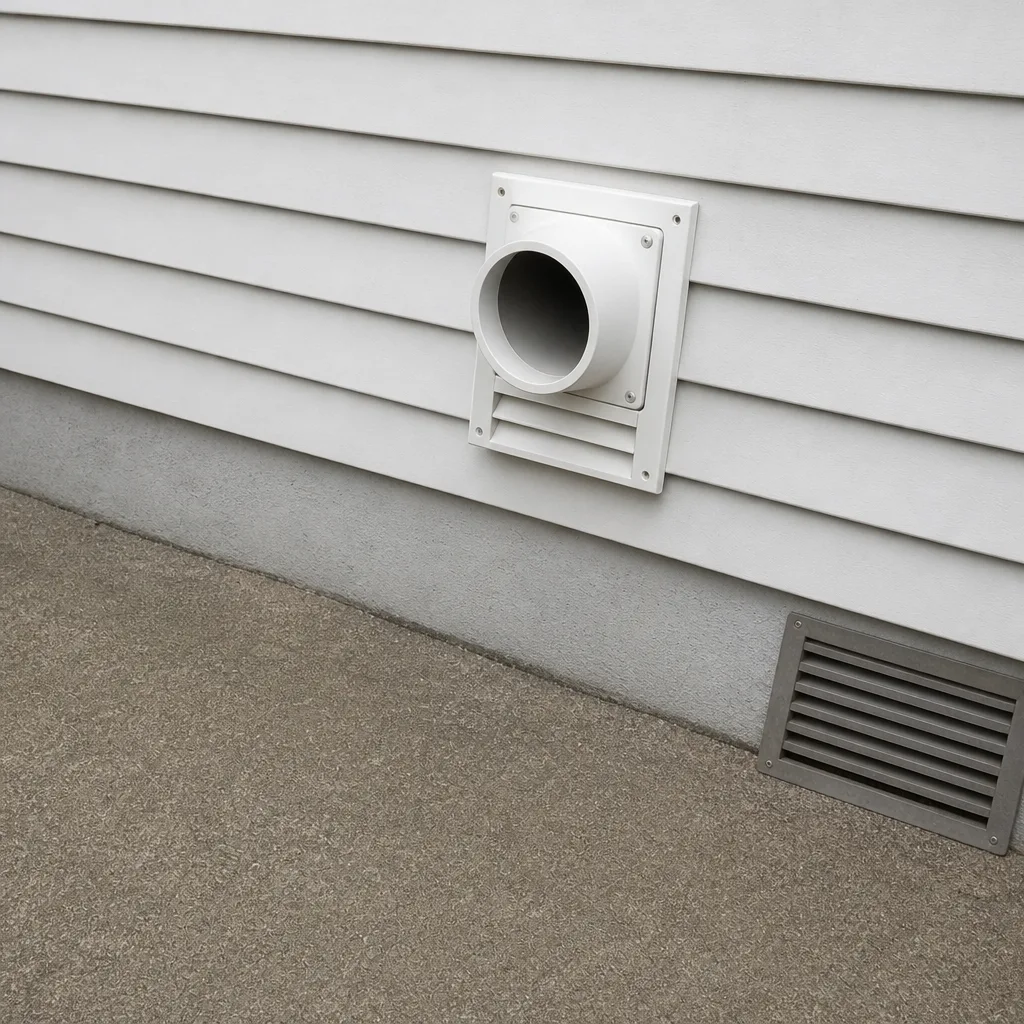 After
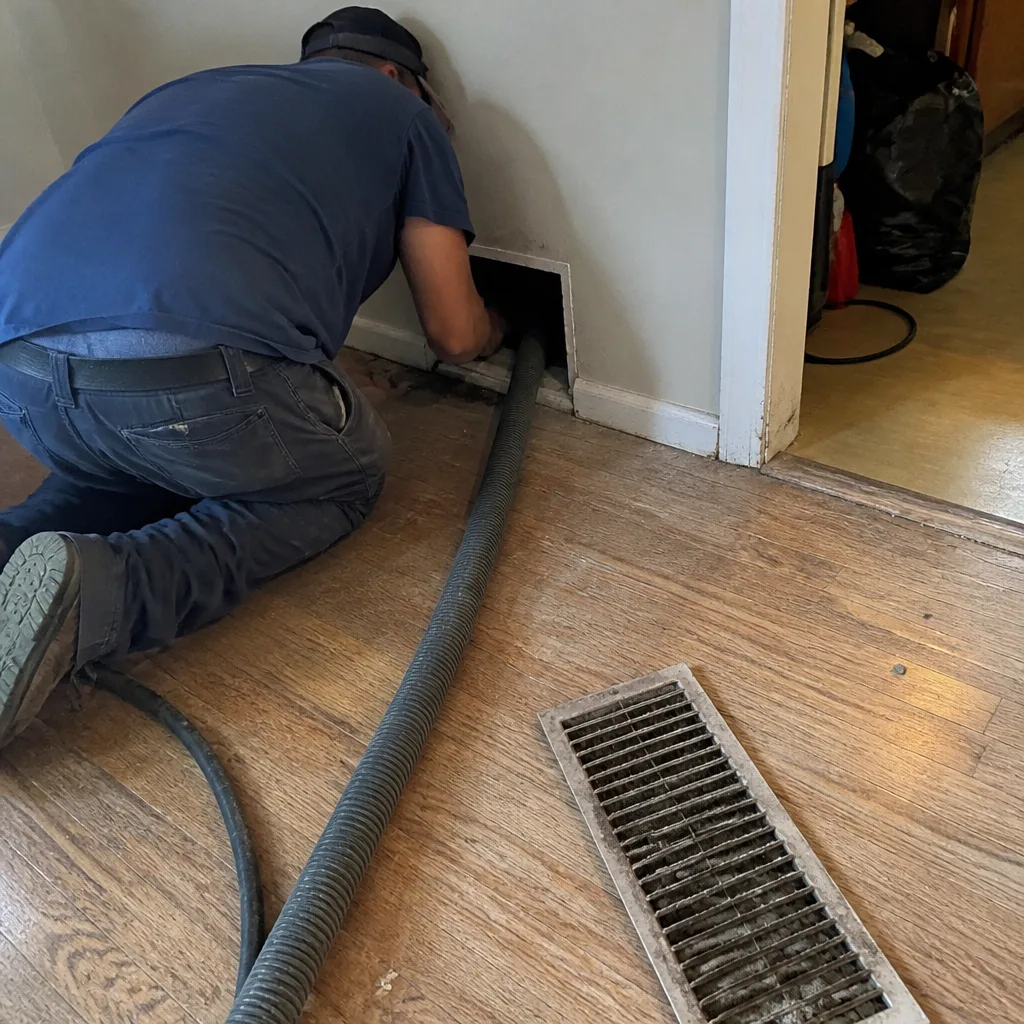 Before
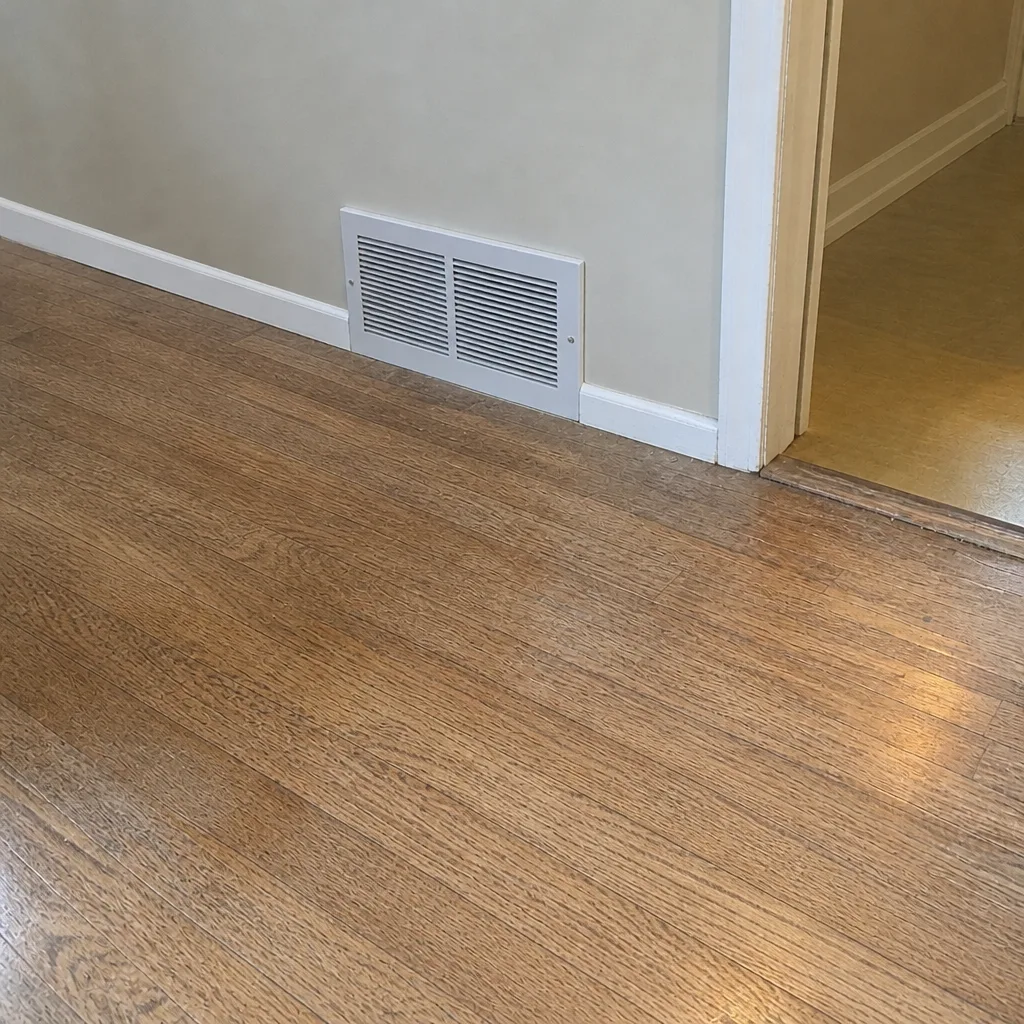 After
When to Call a Professional
Some signs call for an assessment. If you’ve just moved into a Parkside home and don’t know its service history, that’s the clearest one. If you’ve recently renovated, or a nearby property has, construction dust drifts into ductwork and doesn’t leave on its own. If anyone in the household has persistent allergies or respiratory sensitivity and the air at the registers seems to be making it worse rather than better, the ducts are worth checking. If you can see dust collecting on the supply registers or the return grille, the system is pulling more than it should. If your energy bills have crept up without a change in habits, leaking ducts or a dirty coil could be part of the reason. And if the dryer takes longer than it used to, that’s a separate vent issue worth a look. Air Duct Cleaning Parkside offers free estimates in Parkside for assessments of the full system. Call (833) 482-5968. We answer 24/7. Fast dispatch from 7am to 7pm, Sunday through Friday.
Frequently Asked Questions
Air duct cleaning in Parkside is priced per system by a written estimate, not by the vent, and the estimate is free. The final price is set by the written estimate after the assessment, so you know the cost before work starts. Call (833) 482-5968 for an exact quote. Estimates are free.
Cheap quotes are usually cheap because the equipment and the method are missing: no containment, no negative-pressure verification, no documentation, and a flat rate that wasn’t based on an assessment of your system. The low price reflects a lower standard of work, not a better deal. Ask what equipment the contractor uses and how they verify negative pressure. Call (833) 482-5968 for an estimate built on an actual assessment.
You know the work was done when the contractor provides before-and-after photos of your own ducts, a written post-cleaning report listing which ducts were cleaned and which weren’t, and a visual walk-through at the end. Ask for all three before work starts. Our technicians have up to 13 years of experience and use Rotobrush rotary brush systems and Nikro equipment, so the documentation reflects equipment that actually does the job. Call (833) 482-5968 to schedule an assessment.
The honest answer is that it depends on the system, not on a calendar. A well-sealed system in a home with no recent renovation or pets may go years without needing it. A system with leaking joints, a recently renovated home, or a home whose service history you don’t know benefits from an assessment sooner. Ask for an assessment rather than a schedule. Call (833) 482-5968 to book one.
No. New York State does not issue a license for air duct cleaning, so there’s no state exam, no registry, and no continuing education requirement to check. That’s why the screening questions in this guide matter: they’re the only quality control available to you. A contractor who follows NADCA’s method and can document it is the closest thing to a licensing standard the trade has.
Improperly performed duct cleaning can stir up dust and send it into the living space, which is why containment and negative pressure matter. Done correctly, with proper filtration during the job and sealed access points afterward, cleaning reduces the particulate circulation in the home rather than adding to it. If anyone in the household has respiratory sensitivity, ask specifically about containment equipment before scheduling. Call (833) 482-5968 to discuss the setup for your home.
The Bottom Line
New York doesn’t license this trade, so the screening is on you. That’s the whole reason this guide exists. Ask the five questions: equipment, negative pressure, scope, documentation, warranty. Insist on an assessment before a quote, a line-item scope by component, and before-and-after photos of your own ducts. Watch for the low-bid pattern of per-vent pricing with no assessment. And require the written scope, containment method, verification standard, and warranty before anyone opens a duct. The good news is that once you know what to ask, the good contractors stand out plainly. The ones who can’t answer don’t.
Air Duct Cleaning Parkside handles the full system: air duct cleaning, dryer vent cleaning, HVAC cleaning, duct repair and sealing, and air quality and sanitizing. One flat price per system, agreed before work starts, with before-and-after photos of your own ducts. Call (833) 482-5968 for a free estimate. We answer 24/7. Fast dispatch from 7am to 7pm, Sunday through Friday.
Written by the team at Air Duct Cleaning Parkside.