
Last updated November 25, 2026
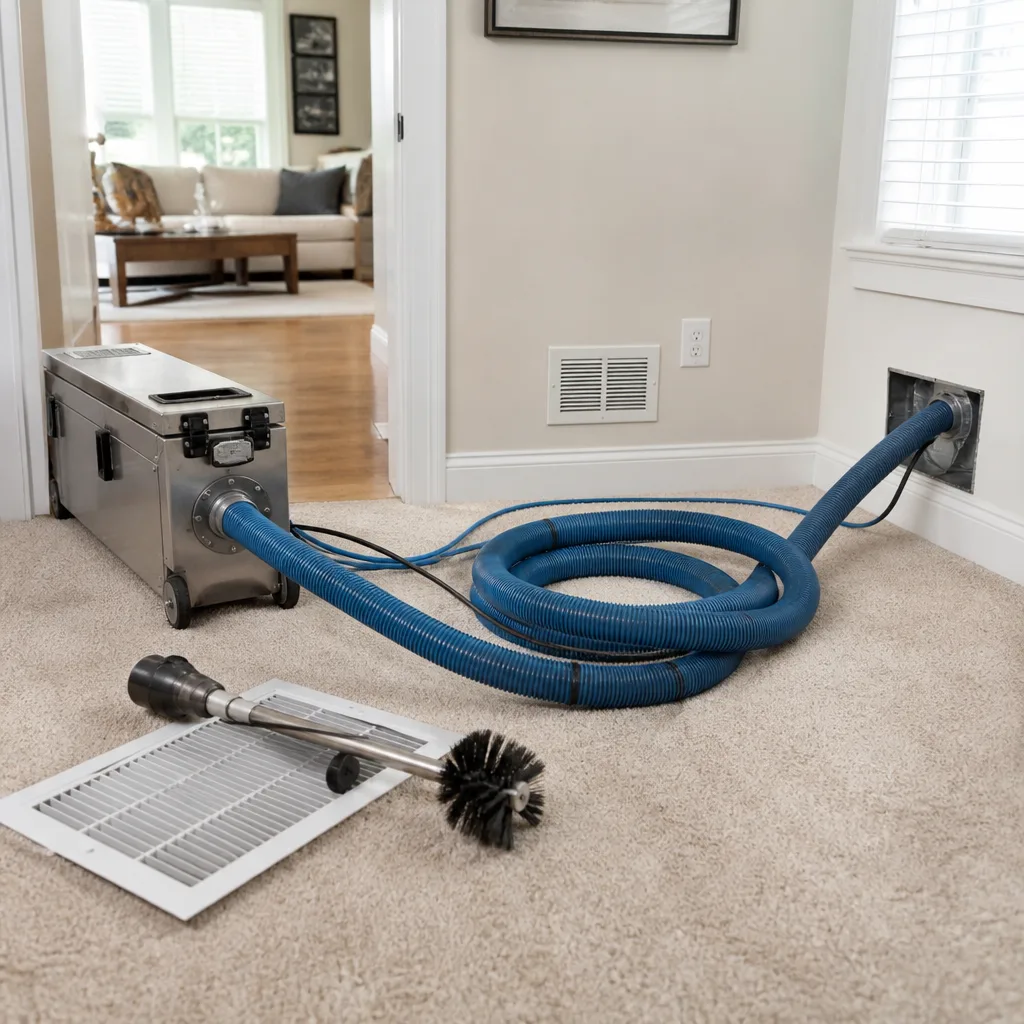 Whole-home duct cleaning
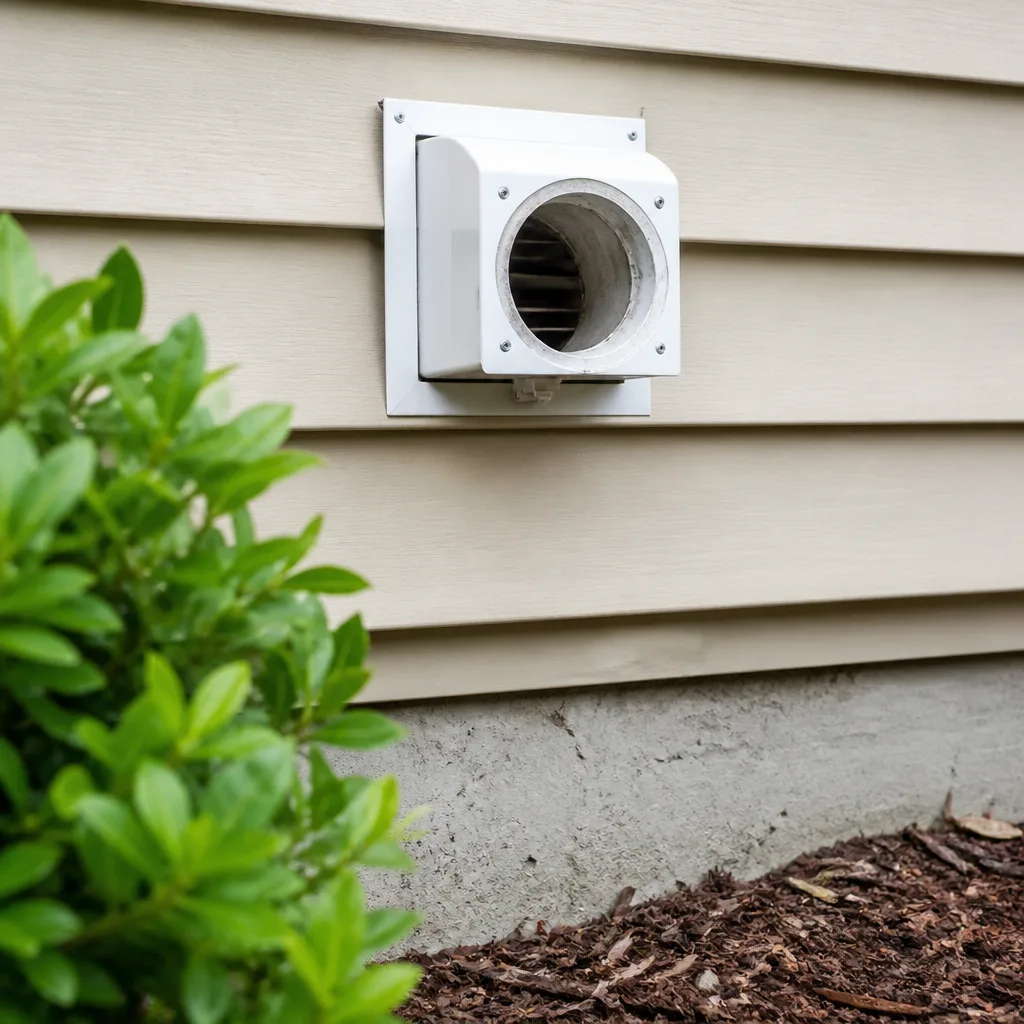 Dryer vent cleaning
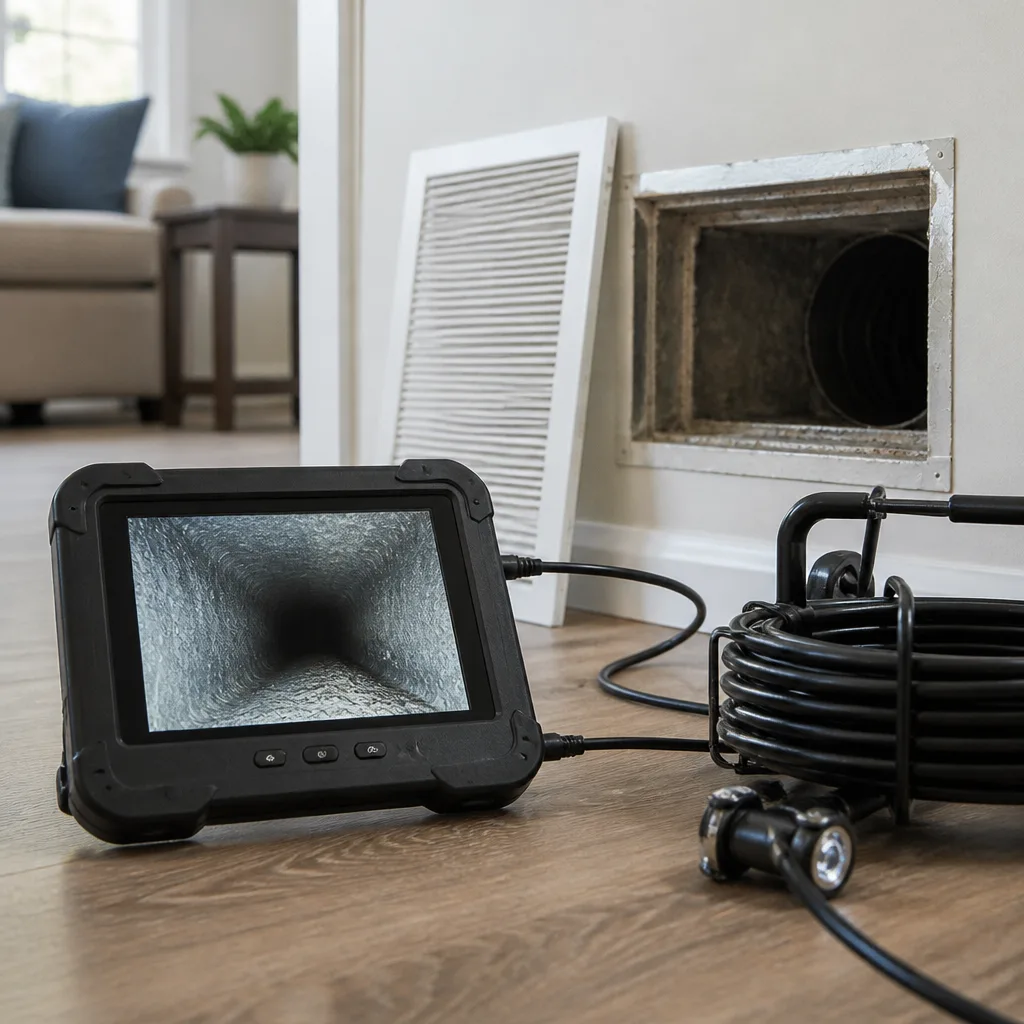 Camera inspection
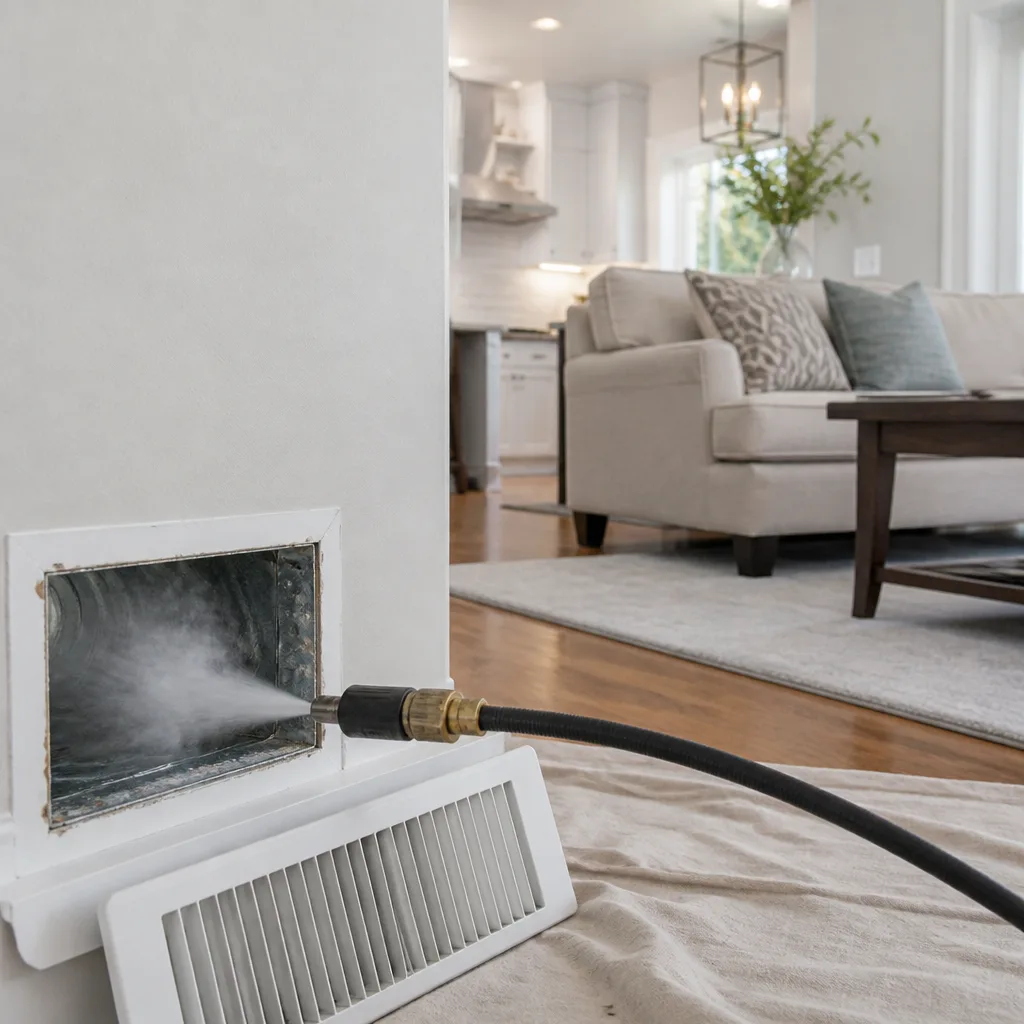 Sanitizing & deodorizing
Whole-system duct and dryer vent check with before-and-after photos - you see exactly what came out of your vents
That "$99 whole-house special" is a bait ad - the real number appears once they are in your hallway, or the "clean" is a shop-vac at the register. We photograph the inside of your ducts before and after instead.
Air Duct Cleaning Cost Breakdown: The Parkside Homeowner’s Reference for 2026
Two quotes land in your inbox for the same house. One says $99. The other says $800. It’s tempting to assume the difference is profit margin, or that someone is trying to take advantage of you. Usually it’s neither. The real difference is what each contractor plans to actually do to your system: how many minutes they’ll spend on a register, whether they run a rotary brush or just a vacuum hose, whether they touch the return trunks, and whether they’ve priced the job by scope or by a marketing number designed to get a phone call. This guide breaks down every variable that drives the cost of air duct cleaning in Parkside so you can read a 2026 quote and know exactly what you’re paying for.
Quick Answer
Air duct cleaning for a typical Parkside home in 2026 estimates between $450 and $1,200 for a whole-system cleaning, with most single-family homes landing near $650 to $850 for a full cleaning plus duct sealing touch-ups. The biggest cost drivers aren’t square footage alone; they’re total duct linear footage, the number of return versus supply runs, duct material, and how easily the technician can reach the main trunk and coil in your home’s specific layout. A written, scope-based quote is the only number that matters in the end.
Styles & brands we work with
- Whole-home duct cleaning
- Dryer vent cleaning
- Camera inspection
- Sanitizing & deodorizing
Table of Contents
- Why Two Quotes for the Same House Can Differ by $700
- The Four Real Cost Variables: Footage, Vents, Material, Access
- 2026 Price Ranges for Parkside Homes by Square Footage Tier
- Which Add-On Services Are Legitimate and Which Are Upsells
- How to Read a Quote Line by Line
- What the Cheapest Quote Almost Always Reflects
- The Equipment Makes the Difference: What to Look For
- What Air Duct Cleaning Parkside Covers Under One Roof
Why Two Quotes for the Same House Can Differ by $700
A $99 special and an $800 quote can be for the exact same house, on the exact same day, from two contractors who are both being honest about what they do. The gap exists because the word “cleaning” means different things depending on the method used. At the $99 tier, the technician commonly spends 20 to 30 minutes, runs a shop-vac-style hose to each supply register, and calls it done. At the $800 tier, the crew brings a rotary brush and high-static negative-air equipment, puts the system under containment, and cleans the main trunk and return plenum as well as the branches.
The result on your home is measurable. A register-only vacuum job removes dust from the last few feet of each run. It leaves the settled debris in your main trunk and coil plenum exactly where it was, and the moment the air handler kicks back on, that material continues circulating. In our experience walking through Parkside homes, the more valuable comparison isn’t the price on the quote; it’s the number of minutes and the size of the equipment the quote implies. A two-man-hour job with containment and a rotary brush costs more to deliver than a half-hour hose pass, and the price reflects that.
That isn’t a reason to distrust cheaper quotes. It’s a reason to read them closely. Ask any contractor which areas of the system they clean, what equipment they use, and whether containment is part of the job. The answers usually explain the price before you ever get to the bottom line.
The Four Real Cost Variables: Footage, Vents, Material, Access
Quotes for air duct cleaning in Parkside are not built from a single “per vent” number, even when they’re presented that way. Four underlying variables drive the actual labor and the actual price, and every honest contractor prices against them whether they show you the math or not.
1. Total duct linear footage
Square footage of the house is a rough proxy, but the duct layout matters more. A 1,600-square-foot ranch with a short main trunk and six branches is a much faster job than a 1,600-square-foot home with two separate trunk systems and a finished basement served by its own loop. Footage is the single most honest input into a quote.
2. Return versus supply runs
Supply vents push conditioned air out. Returns pull air back and typically carry a heavier load of household dust because they see more volume. Homes with multiple return trunks – common in Parkside houses that were updated with central air after original construction – take longer because each return needs its own cleaning path and its own containment hookup.
3. Duct material
Sheet metal, flex duct, and fiberboard behave very differently under a rotary brush. Rigid metal responds well to aggressive mechanical cleaning. Flex duct requires lower brush pressure and a careful approach because the liner tears easily. Fiberboard can be damaged by moisture and needs a gentler method altogether. A quote that doesn’t name the material is usually a quote that hasn’t looked at your system.
4. Access constraints in older homes
Parkside has its share of mid-century housing stock, and that changes the job. Trunks run through tight soffits, coils sit in closets with two feet of clearance, and registers are sometimes under built-in cabinetry. Each access problem adds time, and time is the biggest line item in any honest quote.
2026 Price Ranges for Parkside Homes by Square Footage Tier
Estimates below reflect the Parkside market in 2026 for whole-system air duct cleaning using professional-grade equipment. They assume a single HVAC system, moderate access, and a mix of supply and return vents – not a per-vent quote, and not a teaser coupon figure. The written estimate on your specific home sets the final price.
| Home Size Tier | Typical Estimated Range (Whole System) | What Usually Drives the Quote |
|---|---|---|
| Smaller home, single trunk, 1,200-1,600 sq ft | $450 – $650 | Shorter runs, easy register access, single return |
| Mid-sized home, 1,600-2,400 sq ft | $650 – $900 | Two returns, standard branching, basement or attic access |
| Larger home, 2,400-3,500 sq ft | $900 – $1,400 | Multiple trunk loops, higher vent count, possible two-zone system |
| Older or renovated home with access challenges | +$100 – $300 above tier | Tight coil access, fiberboard sections, post-renovation debris |
Homes that have just come out of a renovation – new flooring, drywall work, kitchen updates – often sit at the top of their tier. Fine construction dust settles deep into return trunks and coats the coil in a way ordinary household dust doesn’t. If you’ve just moved into a Parkside house that was updated before the sale, plan for the upper end of the range and ask the estimator specifically whether coil cleaning is included.
One more note on the local picture: many Parkside homes have HVAC equipment in basements or utility closets rather than attics, which usually makes access easier and can shave the quote toward the lower end of a tier. Homes with attic-mounted air handlers in the tighter rooflines tend to sit higher. Neither is unfair – it’s just the actual time the job takes.
Which Add-On Services Are Legitimate and Which Are Upsells
Add-ons are where most homeowners feel the pressure of a hard sell, so it helps to know which ones solve a real problem and which ones pad the invoice. Below is the honest version, based on what we see in Parkside systems.
Legitimate add-ons
- Coil cleaning. The evaporator coil is a wet, dark surface inside your air handler and it collects dust fast. Cleaning it directly affects airflow and system efficiency, so it’s a real service with a real result. If a quote doesn’t mention coils, ask.
- Duct sanitizing. Useful after a known problem – rodent activity, water intrusion, mold growth, or a long vacancy. It’s a treatment, not a routine step, and it should be priced separately so you can decide.
- Duct repair and sealing. Leaky joint tape and disconnected flex runs bleed conditioned air into crawlspaces and walls. Sealing them after cleaning keeps the results of the clean in place. This is the add-on that pays you back over time.
Add-ons that rarely justify the cost
- Fogging or “air purification” blasts without a diagnostic. If there’s no identified problem, there’s nothing specific to treat.
- Repeated treatment packages that lock you into a schedule before anyone has inspected the system.
- Filter upgrades sold as part of cleaning when your existing filter slot won’t support a higher-MERV filter without restricting airflow.
An honest contractor prices add-ons individually and lets you say no. If any add-on is presented as mandatory or “you’d be crazy not to,” treat that as a signal.
How to Read a Quote Line by Line
The single most useful skill in this whole process is learning to tell a scope-based quote from a per-vent quote. They look similar on paper. They are not similar in the work they describe.
What a per-vent quote hides
- It treats all vents as equal, when a return trunk takes far more time than a supply branch.
- It says nothing about the main trunk or the coil, which is often where the worst debris lives.
- It can be adjusted up or down on-site based on how many vents the technician decides to count.
- It doesn’t tell you what equipment will be used or whether containment is included.
What a scope-based quote tells you
- Which parts of the system are included: supply branches, return trunks, coil, plenum, and registers.
- The equipment tier: rotary brush, negative-air machine, containment barrier.
- Whether duct sealing is included or priced separately.
- Whether before-and-after photos of your own ducts will be provided.
- The final price, agreed before work starts.
How to read a quote step by step
- Find the scope line. It should name each section of the system being cleaned.
- Find the equipment line. Rotobrush or Nikro rotary brush systems and negative-air equipment should be named.
- Find the access line. Did the estimator actually look at the coil and trunk, or just count vents from the doorway?
- Find the add-on pricing. Each add-on should have its own number.
- Confirm the final price is fixed for that scope, agreed in writing before work starts.
If any of those five lines is missing, ask for it. A contractor who can’t produce a scope-based quote is telling you something about their process.
What the Cheapest Quote Almost Always Reflects
The cheapest quote on your list almost always reflects a surface cleaning job: a hose pass on each supply register, minimal time inside the system, and no containment. The work is real, it does remove some dust, and it isn’t fraud. But it doesn’t touch the return trunks, the main plenum, or the coil, which is where most settled debris accumulates between cleanings. And because the thing that caused the accumulation – leaky joints, a clogged return, a wet coil – hasn’t been addressed, the dust comes back faster than you’d expect.
That’s the part that rarely gets said out loud. Cleaning without duct repair and sealing leaves the same leaks that were pulling unfiltered air into your system in the first place. In our work across Parkside homes, the systems that stay clean the longest are the ones where the joints were sealed during or right after cleaning. If your quote doesn’t mention sealing, ask whether it’s needed on your system.
There’s a second issue worth flagging. Some very-low-cost quotes are priced per vent, which invites the “on-site upcharge” pattern: you agree to $99, the technician arrives, counts more vents than promised, and the invoice grows. A flat, whole-system price agreed before work starts removes that dynamic entirely. That’s how we price, and it’s the pricing structure to ask any contractor for.
The Equipment Makes the Difference: What to Look For
Equipment is the clearest window into what kind of job you’re paying for. A rotary brush system like a Rotobrush or Nikro machine, run through a negative-air setup, cleans duct walls mechanically while pulling the loosened debris out of the system. A shop vac and a hose doesn’t do either of those things at commercial scale.
Containment matters too. Professional setups use equipment associated with remediation-level work to keep dust from entering your living space during cleaning. This is where brands like our vendors’ Abatement Technologies filtration systems come into play – equipment that’s standard on higher-tier IAQ projects. If a contractor can’t tell you what containment they use, expect dust settling on furniture.
Finally, some systems benefit from more than cleaning. If you have a Honeywell or Aprilaire air treatment component in your HVAC setup, a full-system clean should account for it – and the contractor should be able to coordinate cleaning around systems they already know. We stock and service Honeywell and Aprilaire air quality systems for that reason, and use Guardsman-brand products when a sanitizing treatment is called for. The full service menu matters here: Air Duct Cleaning Parkside covers ducts, dryer vents, HVAC units, duct integrity, and air sanitizing, so a single contractor can address the whole system rather than one piece of it.
What Air Duct Cleaning Parkside Covers Under One Roof
Most air quality problems aren’t limited to one part of the system. Dust in the ducts and a lint-clogged dryer vent cleaning are different jobs, but they’re both part of keeping your home’s air delivery system healthy, and separating them across providers means details get missed. Our five core services cover the full system:
- Air duct cleaning. Mechanical cleaning of supply branches, return trunks, plenum, and registers, with before-and-after photos of your own ducts.
- Dryer vent cleaning. Separate from HVAC ducts, and worth its own look if the dryer is running long or the vent has never been cleared.
- HVAC cleaning. Coil cleaning and related work inside the air handler, so airflow is pulled from a clean source rather than a dusty one.
- Duct repair and sealing. Addressing leaks, disconnected joints, and damaged runs that let air escape before it reaches your rooms.
- Air quality and sanitizing. Targeted treatments where a problem is identified – after a renovation, a vacancy, or a moisture issue.
We’re equipped to move between these without sending you to a second contractor, which matters when the problem in one part of the system has caused buildup in another. A thorough whole-system clean is the foundation, and if you’re starting there, our air duct cleaning service is where most Parkside homeowners begin.
Common Mistakes to Avoid
- Agreeing to a per-vent price without a scope. Per-vent quotes hide which parts of the system are actually being cleaned and can change on-site once the technician counts vents. Ask for a whole-system price before you book.
- Skipping the coil. A duct clean without coil cleaning leaves the biggest dust collector in the system untouched. Ask specifically whether coils are included.
- Choosing the cheapest quote without reading it. A $99 quote is a different job than an $800 quote, and both can be honest. Compare the scope, not just the number.
- Ignoring duct leaks after cleaning. Sealing leaks is what keeps a clean system clean. In Parkside homes with older flex duct and taped joints, this step is often where the real air quality gains come from.
- Scheduling immediately after a renovation without mentioning it. Post-renovation dust is heavier and finer, and the estimator needs to know so the quote includes a proper coil and return clean.
- Assuming bigger is better when it comes to filters. A higher-MERV filter in a slot that can’t support it restricts airflow. Talk to the estimator about filter compatibility before upgrading.
See the difference
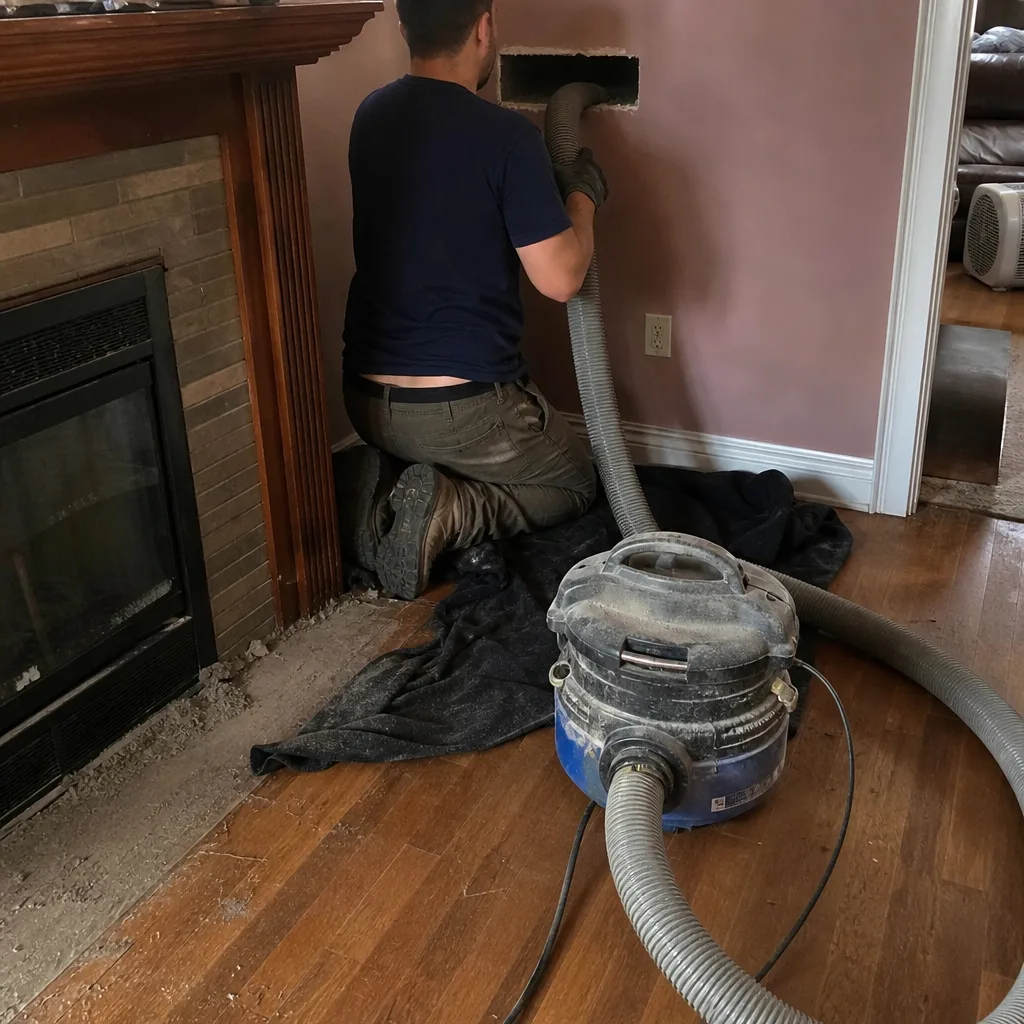 Before
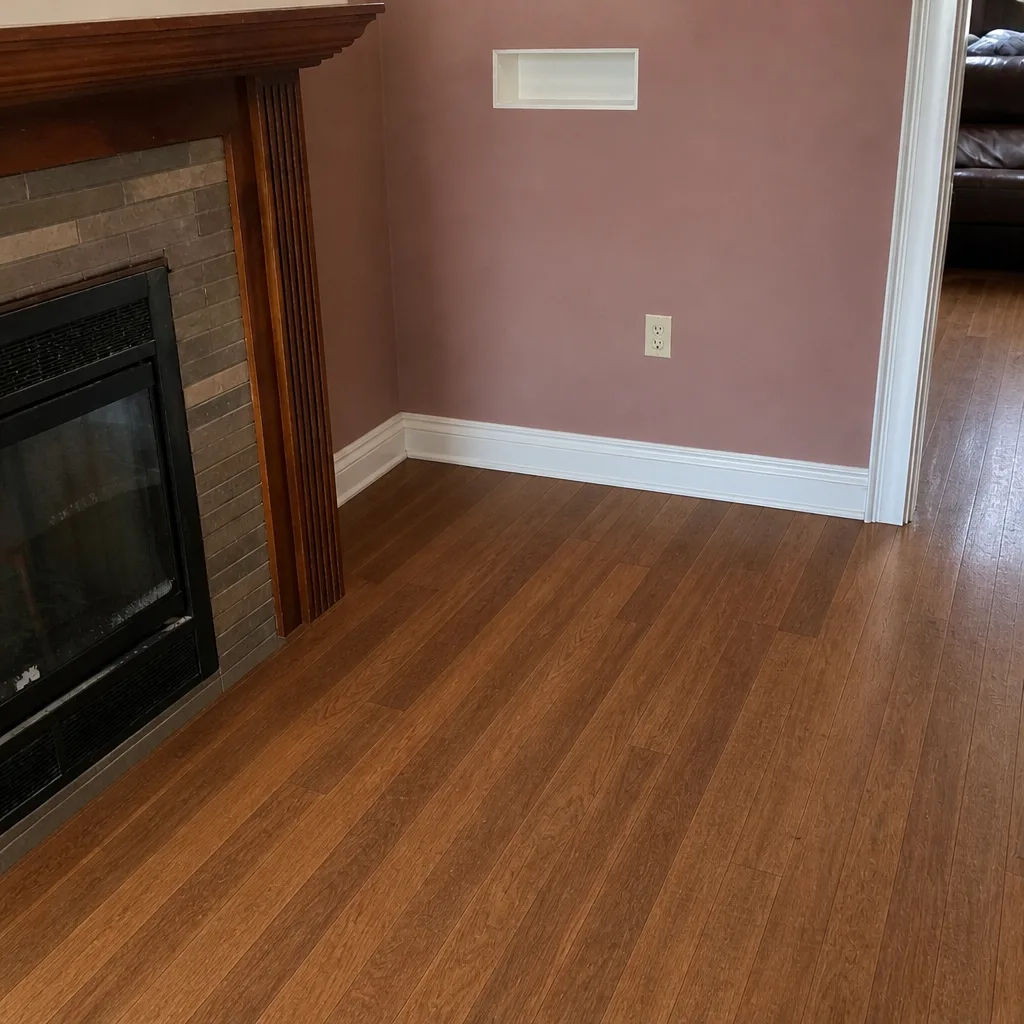 After
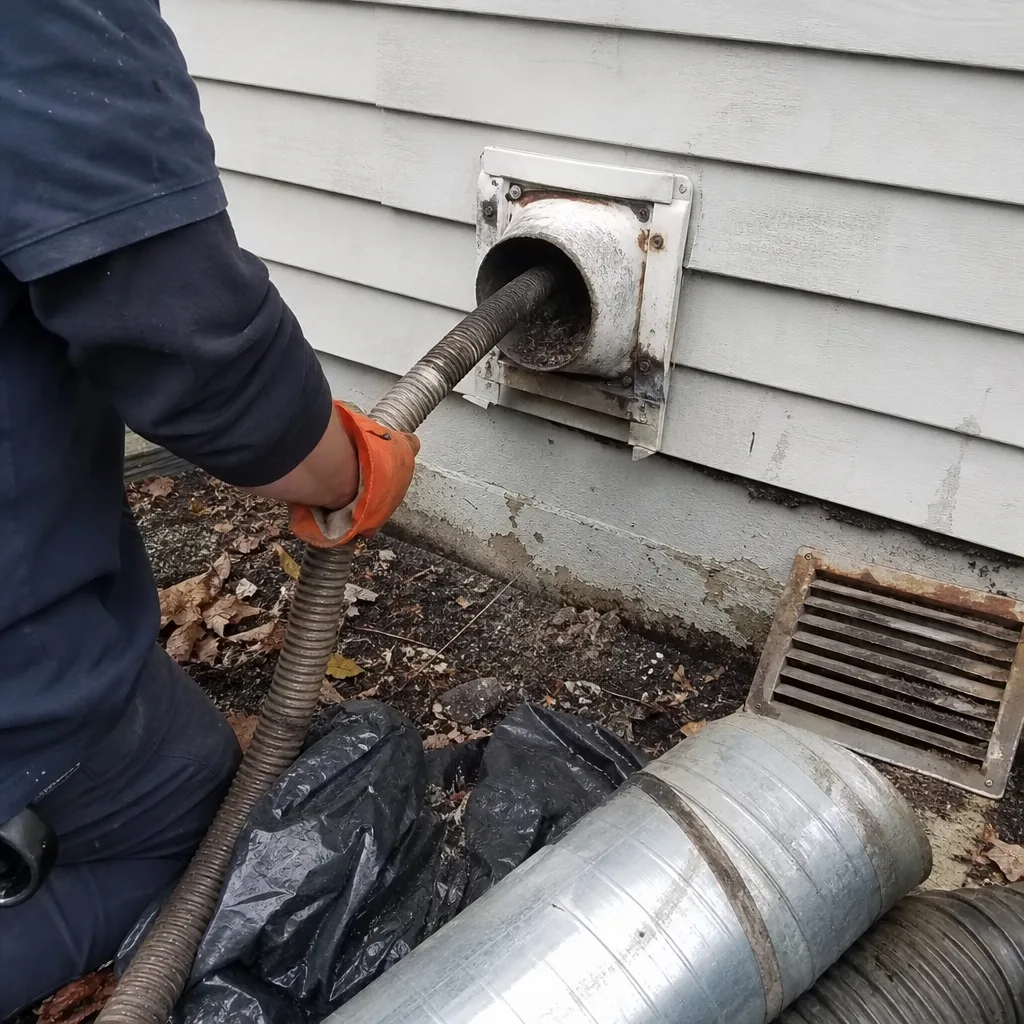 Before
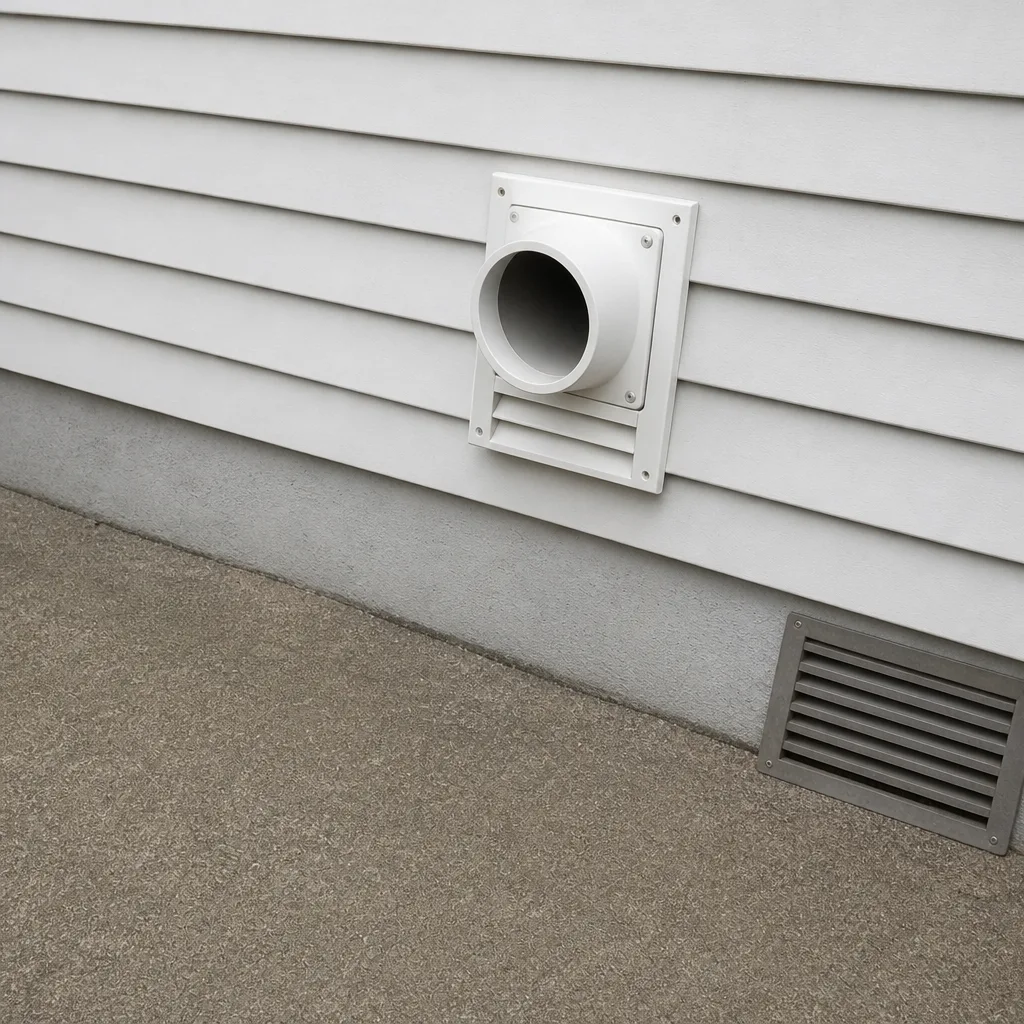 After
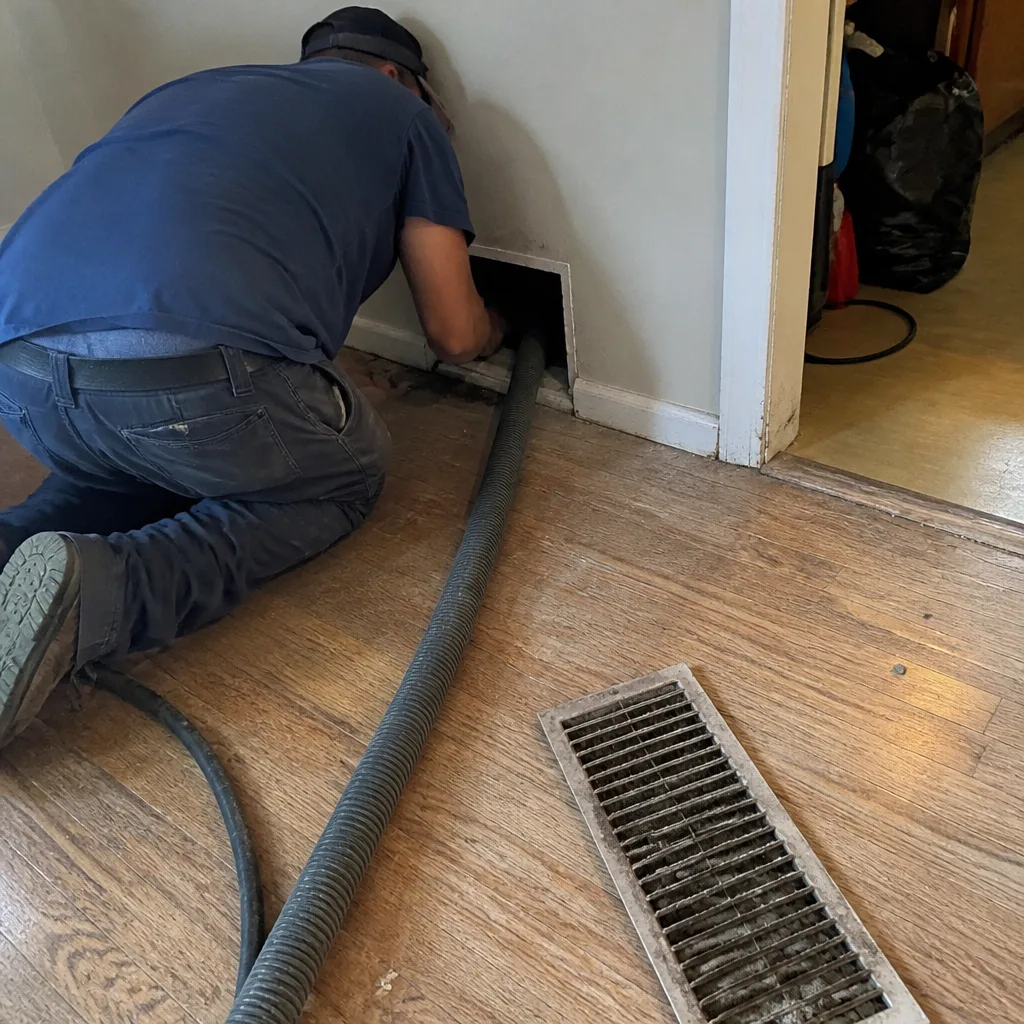 Before
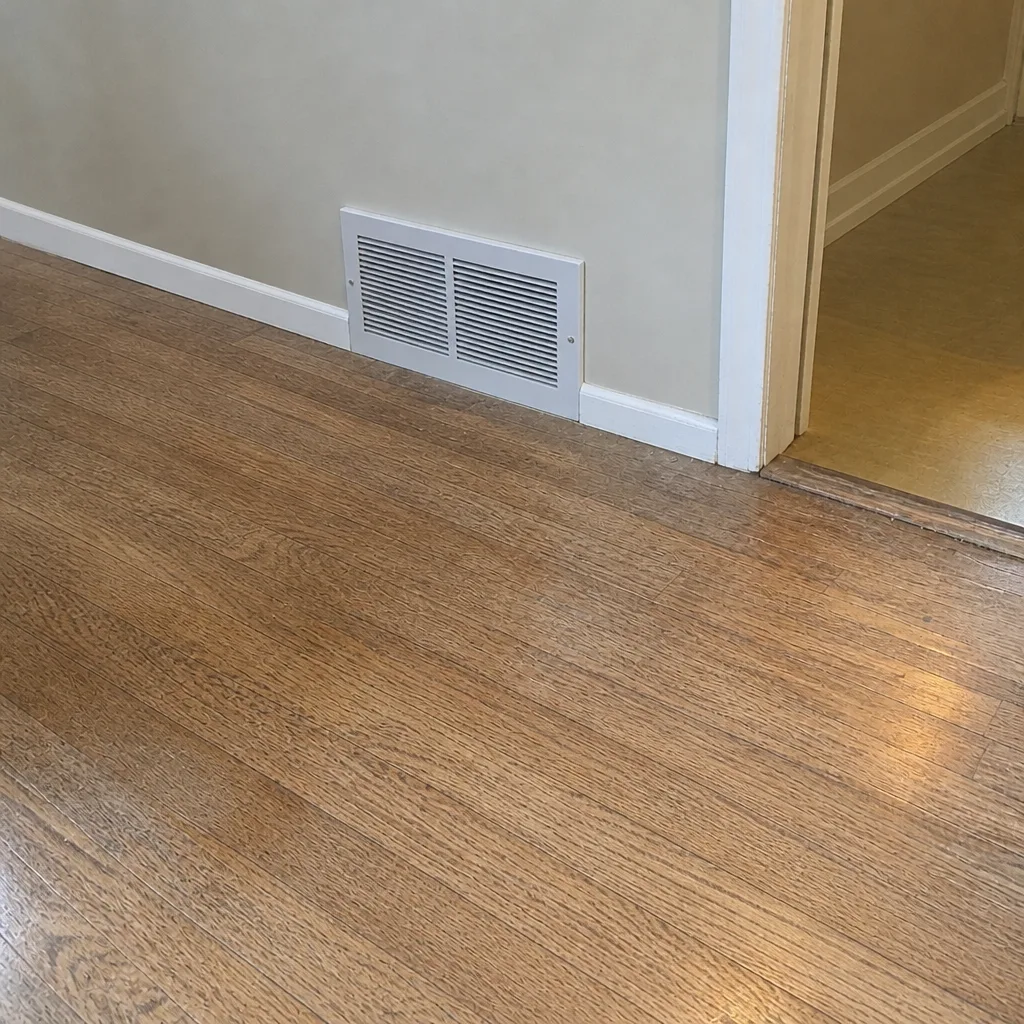 After
When to Call a Professional
Some jobs are worth doing sooner than a convenient calendar window. Call a professional if you’ve just moved into a Parkside home and don’t know when the ducts were last cleaned, if a renovation has just finished, if any register smells musty or shows visible dust on first contact, if a family member has allergies that have gotten worse in this house, or if the system runs noticeably longer than it used to. Dryer vents are their own category – if the vent has never been cleared, that’s worth handling on its own schedule. Manufacturers’ guidance varies by equipment, so ask the contractor or your HVAC tech what interval fits your system. Air Duct Cleaning Parkside offers free estimates in Parkside. Call (833) 482-5968. We answer 24/7. Fast dispatch from 7am to 7pm, Sunday through Friday.
Frequently Asked Questions
Most Parkside homes estimate between $450 and $1,200 for whole-system cleaning in 2026, with a mid-sized single-family home typically landing near $650 to $900. The exact number depends on duct footage, returns, material, and access – not a per-vent count. Call (833) 482-5968 for an exact quote – estimates are free.
The cheapest quotes almost always reflect a surface cleaning job – a hose pass on the supply registers with no containment, no return trunk cleaning, and no coil work. A $99 price is a real service, just a different scope than an $800 whole-system clean with rotary brush equipment. Compare the scope lines, not the totals. Call (833) 482-5968 for a scope-based quote – estimates are free.
Ask for before-and-after photos of your own ducts, taken during the job. A contractor using containment and rotary brush equipment has no reason to refuse. If photos aren’t offered, that’s a signal worth paying attention to. Call (833) 482-5968 to ask about photos with your estimate – estimates are free.
Somewhat, but housing stock tends to matter more than weather in Parkside. Homes with original ductwork and older taped joints lose more air through leaks, which pulls unfiltered dust in from crawlspaces and basements. Duct repair and sealing alongside cleaning extends the interval between cleans more reliably than cleaning alone. Call (833) 482-5968 to ask what interval fits your system – estimates are free.
There’s no single answer, and anyone giving you a fixed number is guessing. Reasonable triggers: after a renovation, after moving into a home with unknown duct history, after water intrusion or rodent activity, or when allergens have gotten worse. Otherwise, ask the contractor to inspect first and recommend from what they find. Call (833) 482-5968 for an inspection-based estimate.
On a system with visible leaks, disconnected flex runs, or torn joint tape, it’s not an upsell – it’s the step that keeps the cleaning from being undone within a season. If your ducts are sealed tight already, we’ll tell you so. Call (833) 482-5968 and ask for a scope that names duct repair separately.
The Bottom Line
The price of air duct cleaning in Parkside isn’t a single number, and it shouldn’t be. It’s a function of footage, returns, material, access, equipment, and whether the job includes coil cleaning and duct sealing or stops at the registers. A scope-based quote with a flat whole-system price, professional-grade equipment, and before-and-after photos is the structure to look for – not the cheapest number. If you’re comparing quotes or starting fresh, our Air Duct Cleaning Parkside team is glad to walk through yours with you at no charge.
Get started with a free estimate on your Parkside home. Call (833) 482-5968. We answer 24/7. Fast dispatch from 7am to 7pm, Sunday through Friday. One flat price per system, agreed before work starts, with before-and-after photos of your own ducts.
Written by the team at Air Duct Cleaning Parkside.