
Last updated November 25, 2026
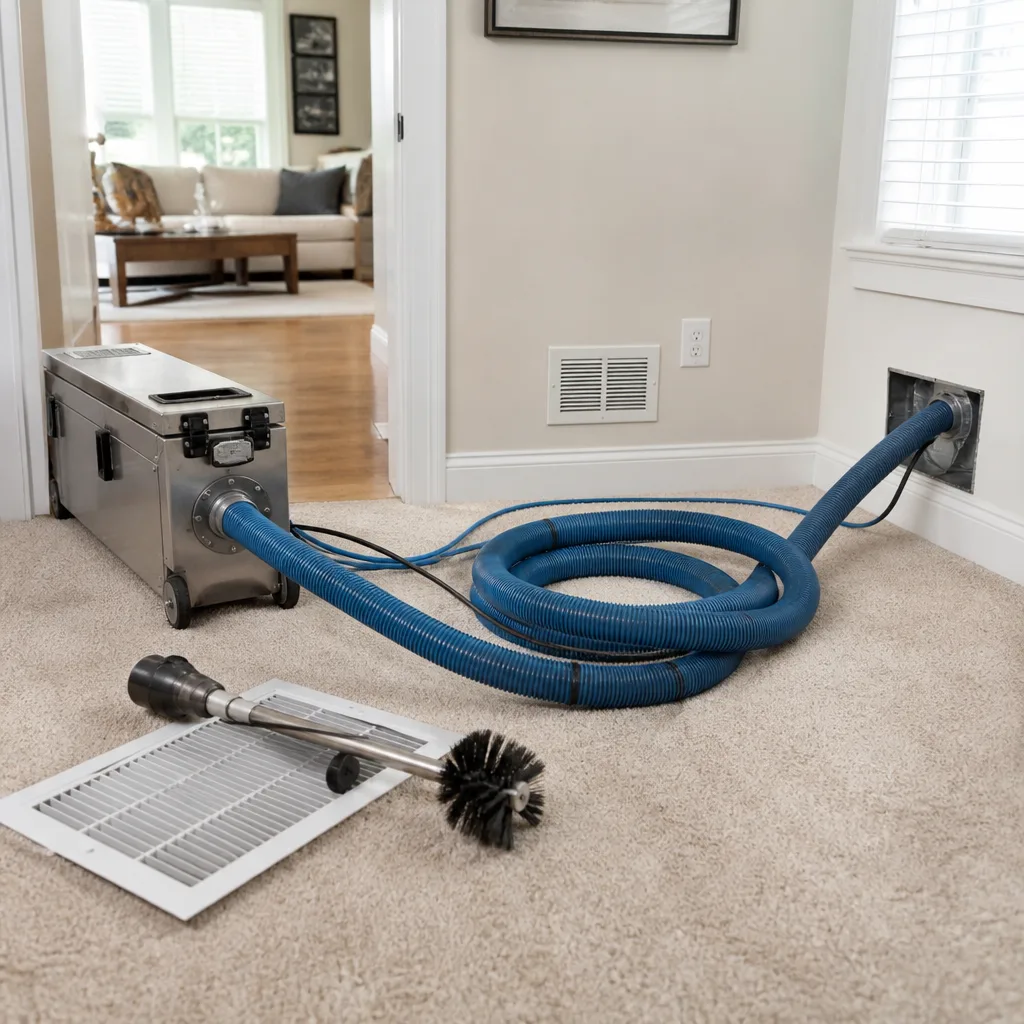 Whole-home duct cleaning
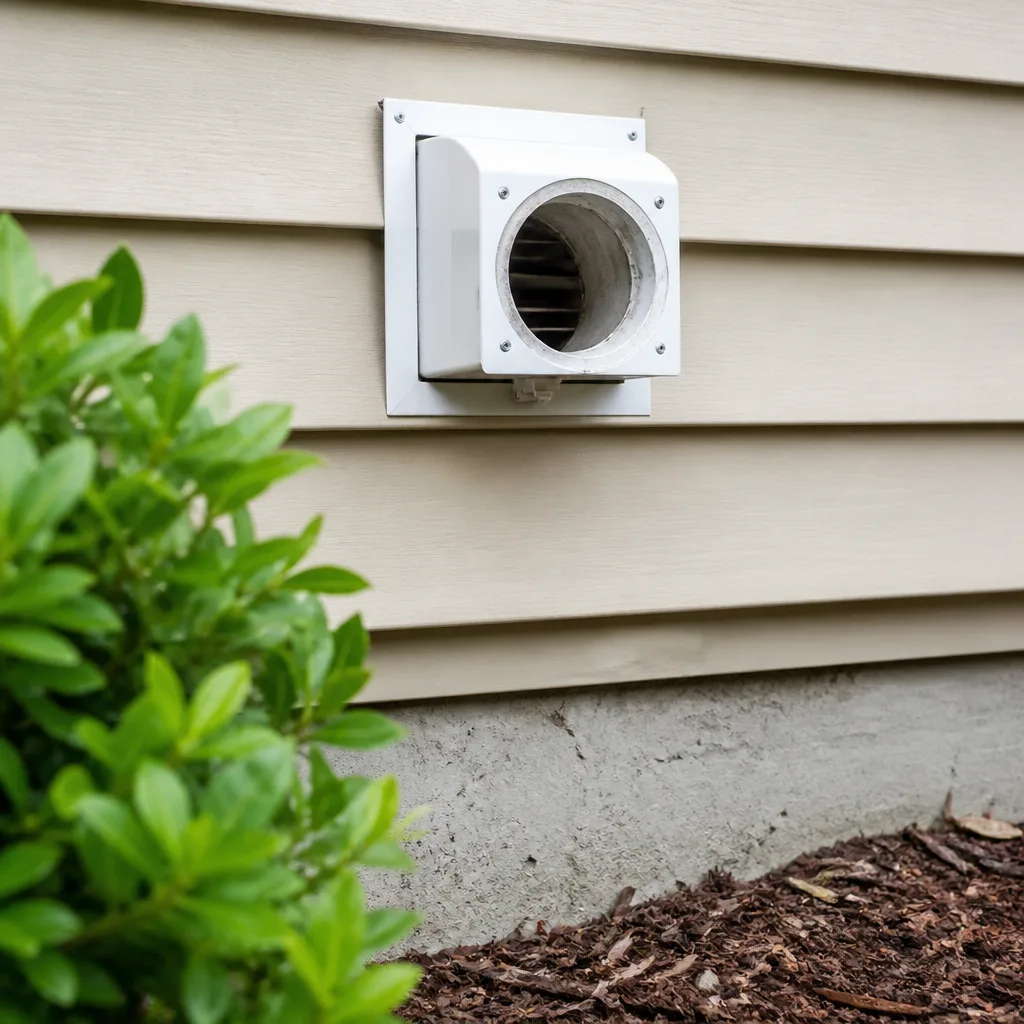 Dryer vent cleaning
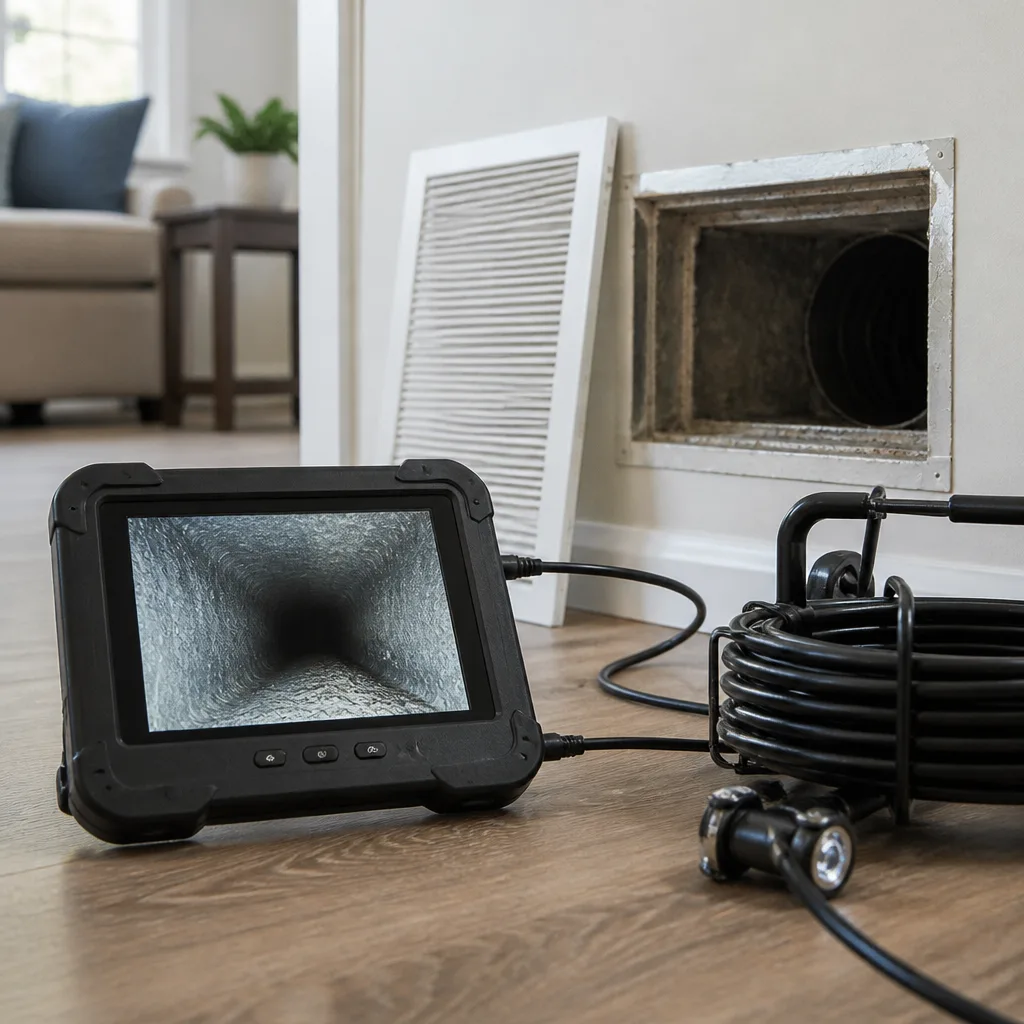 Camera inspection
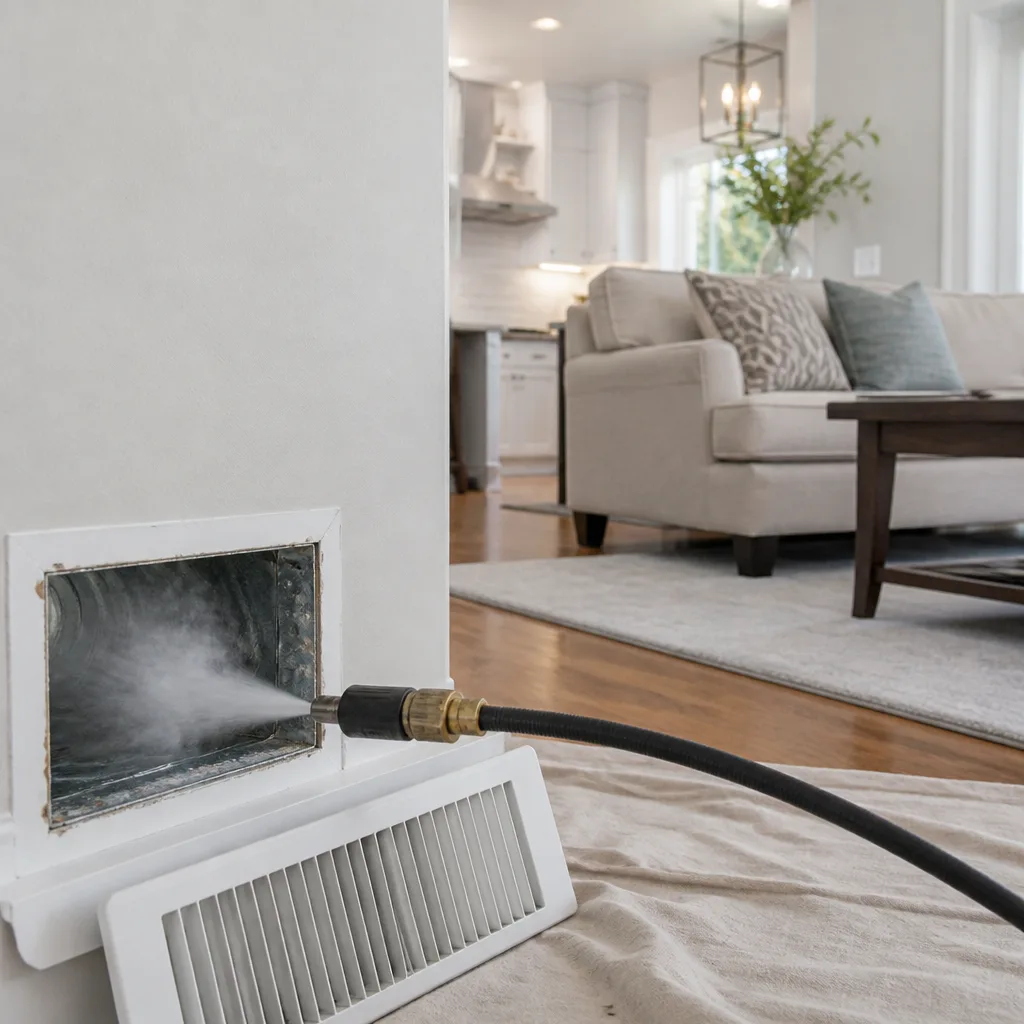 Sanitizing & deodorizing
Whole-system duct and dryer vent check with before-and-after photos - you see exactly what came out of your vents
That "$99 whole-house special" is a bait ad - the real number appears once they are in your hallway, or the "clean" is a shop-vac at the register. We photograph the inside of your ducts before and after instead.
Air Duct Cleaning Maintenance Schedule: What to Do and When
The 3-to-5-year cleaning interval most sources recommend was built around an average single-family house. That average excludes a lot of Parkland homes: the ones with two dogs and a cat, the ones finishing a basement renovation, the ones running a high-MERV filter that strains an undersized return, the ones with 1990s flex duct sagging in a hot attic, and the ones where somebody in the house has asthma. Two houses on the same street in Parkside can need wildly different schedules. This guide replaces the generic rule with a variable-interval framework built on the conditions that actually drive contamination. You’ll learn what compresses the window to 18 months, what lets you safely stretch it past five years, which tasks belong to you and which need real equipment, and how to keep a written log that makes future decisions easy. Air Duct Cleaning Parkside uses this same framework on every job.
Quick Answer
Most homes should have ducts professionally cleaned every 3 to 5 years, but that range shifts based on variables: a Parkside household with pets, recent renovation dust, or a resident with respiratory sensitivity typically needs cleaning every 18 to 24 months, while a low-occupancy home with sealed rigid ductwork and clean filtration can safely go 6 to 7 years. Between professional cleanings, change filters on a logged schedule, check registers monthly, and watch the condensate drain. Professional rotary brush and vacuum equipment is required for the actual cleaning; consumer vacuums don’t reach the contamination that matters.
Styles & brands we work with
- Whole-home duct cleaning
- Dryer vent cleaning
- Camera inspection
- Sanitizing & deodorizing
Table of Contents
- Which Variables Actually Drive Your Cleaning Interval
- The Variable-Interval Framework: 18 Months to 7 Years
- What You Can Do Between Professional Cleanings
- Why Fall Timing Matters Most in the Northeast
- Post-Cleaning Air Quality Testing as a Baseline
- Building a Maintenance Log That Influences Decisions
- Signs You’re Already Overdue
- When Cleaning Isn’t Enough: Duct Repair and Sealing
Which Variables Actually Drive Your Cleaning Interval
The “every 3 to 5 years” number assumes a home with average occupancy, average pets, average filtration, and ductwork in average condition. Change any one of those and the interval moves. Change several and it moves substantially. Here’s what we’ve found actually matters in Parkside homes.
Occupancy and HVAC runtime. A family of five running heat eight months of the year pushes far more air through the ductwork than a retired couple running the system lightly. More air movement means more dust load on the interior surfaces. Runtime matters more than square footage.
Pet count and coat type. One short-haired cat adds a manageable amount of dander. Two double-coated dogs in a 1,200-square-foot Queen Anne-style home near the Parkside border are a different situation entirely. Fur and dander circulate, then settle on duct walls where the airflow is slowest.
Recent construction or renovation. Drywall dust, sawdust, and insulation fibers travel through returns and lodge in the system. Any renovation in the past 18 months bumps you immediately to the short end of the interval.
Duct construction type. Sheet metal duct, properly sealed, holds up best. Flex duct, especially older flex with visible sagging or torn outer jackets, collects debris faster and is harder to clean thoroughly. If your Parkside home was built or retofitted in an era when flex was standard and it hasn’t been touched, assume shorter.
Filtration setup. A well-sealed return with a correctly sized high-MERV filter reduces dust reaching the ducts. A thin filter in an undersized slot, or a filter you change irregularly, does not.
The Variable-Interval Framework: 18 Months to 7 Years
Use this framework to estimate where your home sits. Add up the conditions that apply to you.
Conditions that compress the interval (18-24 months)
- Two or more pets, or one heavy-shedding dog
- Renovation or new construction within the past 18 months
- Any resident with asthma, allergies, or a compromised immune system
- Older flex duct with sagging, tears, or visible contamination at registers
- High-occupancy household (four or more people living there year-round)
- Visible dust plumes from supply registers when the blower starts
- A musty or stale odor when the heat first comes on each fall
Conditions that let you extend to 6-7 years
- One or two occupants, no pets
- Sealed rigid metal ductwork in good condition
- A properly sized filter changed on schedule
- Signed-off duct sealing already done, with no leaks at joints or boots
- No renovation dust and no history of water intrusion in the system
- Visual inspection at registers shows clean surfaces
What to do with your number
- Count the compressing conditions on your home. If you have two or more, plan for cleaning every 18 to 24 months.
- If you have one compressing condition and otherwise a clean setup, 3 to 4 years is a reasonable target.
- If none apply, 5 to 7 years is safe provided your annual visual checks stay clean.
- Write the target interval in your maintenance log with the date you set it. Review it each year.
- Schedule a professional inspection before the target date if any of the “signs you’re overdue” show up early.
This is the framework Air Duct Cleaning Parkside uses when setting a schedule for a Parkside home. It’s the reason we don’t quote a universal interval.
What You Can Do Between Professional Cleanings
Some maintenance belongs to you. Some requires equipment no homeowner should buy for a house. Being clear about the split saves money and prevents damage.
Tasks that belong to the homeowner
- Filter changes on a logged schedule. Every 1 to 3 months depending on filter thickness and pet load. Write the date on the filter edge and in your log.
- Monthly register check. Shine a flashlight into each supply and return register. Look for dust buildup, pet hair clinging to the grille, or a gray film on the interior surface. Photograph anything unusual.
- Condensate drain inspection. During cooling season, check that the drain line runs freely and the pan is dry. A slow drain can raise indoor humidity, which feeds biological growth in the system.
- Exterior vent inspection. Walk the outside of the home each season and confirm supply and return terminations are clear of debris, nests, and vegetation.
- Thermostat filter reminder setup. Most smart thermostats can send a filter reminder. Set it and actually follow it.
Tasks that require professional equipment
- Cleaning the duct interior. Rotary brush systems with high-volume negative pressure are the standard. Shop vacuums don’t pull the settled debris off duct walls and can aerosolize dust into the living space.
- Sealing leaks at joints, boots, and plenums. Requires access, mastic or approved sealant, and the ability to reach every connection.
- Sanitizing after cleaning. Applied with appropriate containment so the treatment goes where it’s needed.
- Containment during cleaning. Professional-grade HEPA filtration and negative air setup keeps the work from spreading dust into the home. Air Duct Cleaning Parkside uses Abatement Technologies filtration equipment for this on every job.
- Air quality testing before and after. The baseline measurement is the point.
The line between these two lists is where most “duct maintenance” DIY advice breaks down. Doing your part well extends the professional interval. Trying to do the professional part yourself risks damage to flex duct, dislodged insulation, or a household full of dust.
Why Fall Timing Matters Most in the Northeast
In the Northeast, HVAC systems run on a strong annual rhythm. Heating season in Parkside calls for a closed house with the windows shut for months. That’s the period when whatever is in the ducts circulates continuously through every room. Cleaning in fall, before the heat comes on, captures the summer’s accumulated debris (pollen pulled in through returns, dust from any warm-season renovation, and pet dander from months of indoor cooling) before you spend six months breathing the air that flows past it.
Spring cleaning has its own logic for the cooling season, but in Parkside your heating system sees more hours of runtime over the year than the AC does. That’s why fall is the higher-value timing for most homes. Here’s how to plan around it.
- Mid-September to late October is the ideal window. The system is about to start heating; you haven’t yet spent your first month of closed-window air.
- Pair cleaning with a filter change so the fresh filter catches what the system pulls after the ducts are clean, not before.
- Pair cleaning with a visual inspection of the heat exchanger and blower compartment. If cleaning is happening, HVAC cleaning and inspection at the same time is efficient.
- Book early. Fall fills up. Call in August to lock in an October date.
- If you’re cleaning in spring instead, do it in April before the AC gets heavy use, and repeat only if your interval framework calls for it.
One note on seasonal patterns: if your ducts haven’t been cleaned in five-plus years and last winter produced a noticeable “first heat” smell in your Parkside house, don’t wait for the calendar. Cleaning sooner captures the same cycle earlier.
Post-Cleaning Air Quality Testing as a Baseline
Air quality testing gets dismissed as an upsell, and often it is. The version that earns its place isn’t the version that generates a scary report; it’s the version that produces a baseline you can compare against later.
Here’s what a useful baseline measurement gives you:
- A starting point for particulate levels in the home. When the tests are done before and after cleaning, you see what the cleaning changed.
- A record you can hand to an HVAC technician, an allergist, or a property manager if a health or complaint question comes up later.
- A way to decide whether air treatment (filtration upgrades, sanitizing, or a Honeywell or Aprilaire fresh-air or filtration solution) is worth adding to the system.
- A reference point if you change filters, seal ducts, or renovate. Compare the new reading to the baseline.
The point isn’t a grade. The point is that when you later wonder “are things getting worse or is this normal for my house?”, you have data. A baseline number doesn’t exist until someone measures it. After that, it’s yours to keep.
Air Duct Cleaning Parkside stocks and services Honeywell and Aprilaire air quality systems, so if testing suggests a filtration or fresh-air upgrade is worth considering, the conversation stays with one provider instead of splintering across a filter installer, a testing company, and a cleaner.
Building a Maintenance Log That Influences Decisions
A maintenance log that sits in a drawer is worse than no log because it creates a false sense of diligence. A log that gets referenced at the next decision is worth keeping. Here’s what makes a log useful.
What the log should contain
- Date and type of each filter change. Filter size, MERV rating, and date. A photo of the old filter next to a new one is fast and shows condition.
- Monthly register observations. A brief note: “clean,” “light dust,” “heavy dust on 2 of 6,” with a date.
- Professional service dates. Cleaning, repair, sealing, sanitizing, and testing. Include which rooms and which components (main trunk, returns, branch runs) were addressed.
- Pre and post-testing results when testing is done, with the method used.
- Renovation dates. Any drywall work, flooring replacement, or insulation addition. This is the single most overlooked entry in most logs and the one that most affects interval planning.
- Symptoms. When someone in the home has a respiratory flare-up, note the date. It gives you a way to correlate symptoms with system events (like a filter overdue by six weeks) later.
How to use the log at each decision point
Before scheduling cleaning, open the log and answer three questions: how many months since the last cleaning, what’s happened in the house since (renovation, new pet, an extra occupant), and how do current register observations compare to the last entries. Those three answers tell you whether your interval framework still fits or needs adjusting.
The log is also the document that supports a health-related conversation. If you’re working with an allergist or dealing with a child’s asthma in a Parkside home, having a clear record of duct cleaning dates, filtration changes, and testing results turns a vague conversation (“I think it’s gotten worse”) into a specific one. That’s not a small thing.
Signs You’re Already Overdue
Interval frameworks tell you when to schedule. These signs tell you to schedule now regardless of where you sit on the framework.
- Visible dust plumes from supply registers when the system starts. You can see dust in the airstream.
- Musty or stale smell when the heat or AC first comes on after a period of disuse. Persistent smell suggests microbial growth or accumulated debris.
- Unexplained allergy symptoms inside the home that improve when you’re away. Especially in a Parkside home with known dust issues.
- Registers or grilles blackened or filmed with dark residue at multiple locations in the house.
- Recent renovation with poor containment. Drywall dust in the returns will migrate to the system.
- Visible debris or nesting material at exterior terminations or inside registers.
- Higher than usual heating or cooling bills with no other explanation. Blocked or restricted air pathways from debris or collapsed duct can raise energy use.
Two of these signs together is a signal to have someone look. Four or more is a schedule-it-now situation.
When Cleaning Isn’t Enough: Duct Repair and Sealing
Cleaning has limits if the ductwork itself is compromised. This is where a clean-only provider runs out of options.
Common conditions that turn a cleaning job into a repair-and-clean job:
- Sagging flex duct. Low points trap debris and hold moisture. Cleaning can reach the sag but not eliminate the condition.
- Torn or disconnected duct in an attic or crawlspace. A leak at a joint or a separated run means conditioned air is being lost and unfiltered air is being pulled into the system.
- Poorly sealed boots and plenums. These leaks are common in houses with original ductwork. Sealing them restores pressure balance and keeps contamination out.
- Collapsed or crushed flexible runs. Call for replacement, not cleaning.
Air Duct Cleaning Parkside offers duct repair and sealing alongside cleaning because the root cause matters. Cleaning a leaking system that pulls in attic dust is work you’ll repeat in a shorter cycle than the framework above suggests. Sealing it changes the interval. If a technician finds issues during an air duct cleaning visit, the report should say what’s leaking, where, and what it takes to fix. You shouldn’t be told “this needs sealing” without a photo and a plan.
If you’re using this guide to plan your year, add a sealing check to your first professional visit. Clean and sealed is the goal; clean and leaking is a starter kit for the next cleaning.
Common Mistakes to Avoid
- Following the 3-to-5-year rule without checking your own conditions. It’s a starting point for average homes. Yours may need 18 months. Yours may safely go 7 years. Counting your variables beats assuming.
- Cleaning and not changing the filter afterward. Fresh ducts with a dirty filter still circulate contaminated air. The filter goes in immediately after cleaning, not weeks later.
- Assuming a heavily advertised cheap cleaning is the same job. The low number is often for a partial cleaning with a consumer-grade vacuum. Ask what equipment is used, how long the job takes, and what’s included. The scope of what’s covered matters more than the number.
- Skipping the maintenance log. Without a written record, every cleaning decision starts from zero. The log is the difference between reacting and planning.
- Ignoring a leaking duct because the registers look clean. Clean air at the register can still mean conditioner air is escaping and unfiltered air is being drawn in. Sealing matters as much as cleaning.
- Treating cleaning as a one-time fix. Systems re-soil at a rate driven by your conditions. The framework is meant to be revisited annually, not set once.
- Cleaning on the wrong seasonal timing. Cleaning right before the heating season captures the biggest contamination cycle in a Northeast home. Cleaning in June leaves the summer’s accumulated debris circulating through the fall.
See the difference
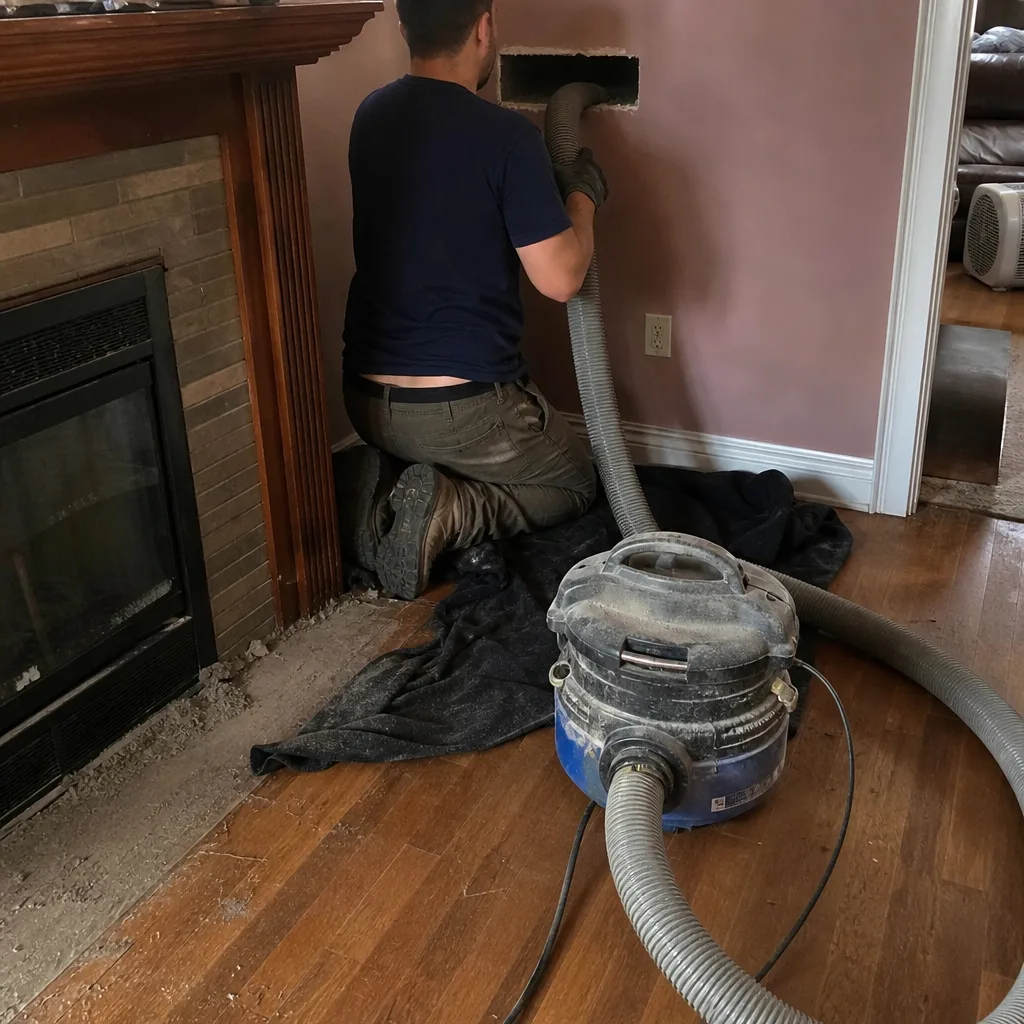 Before
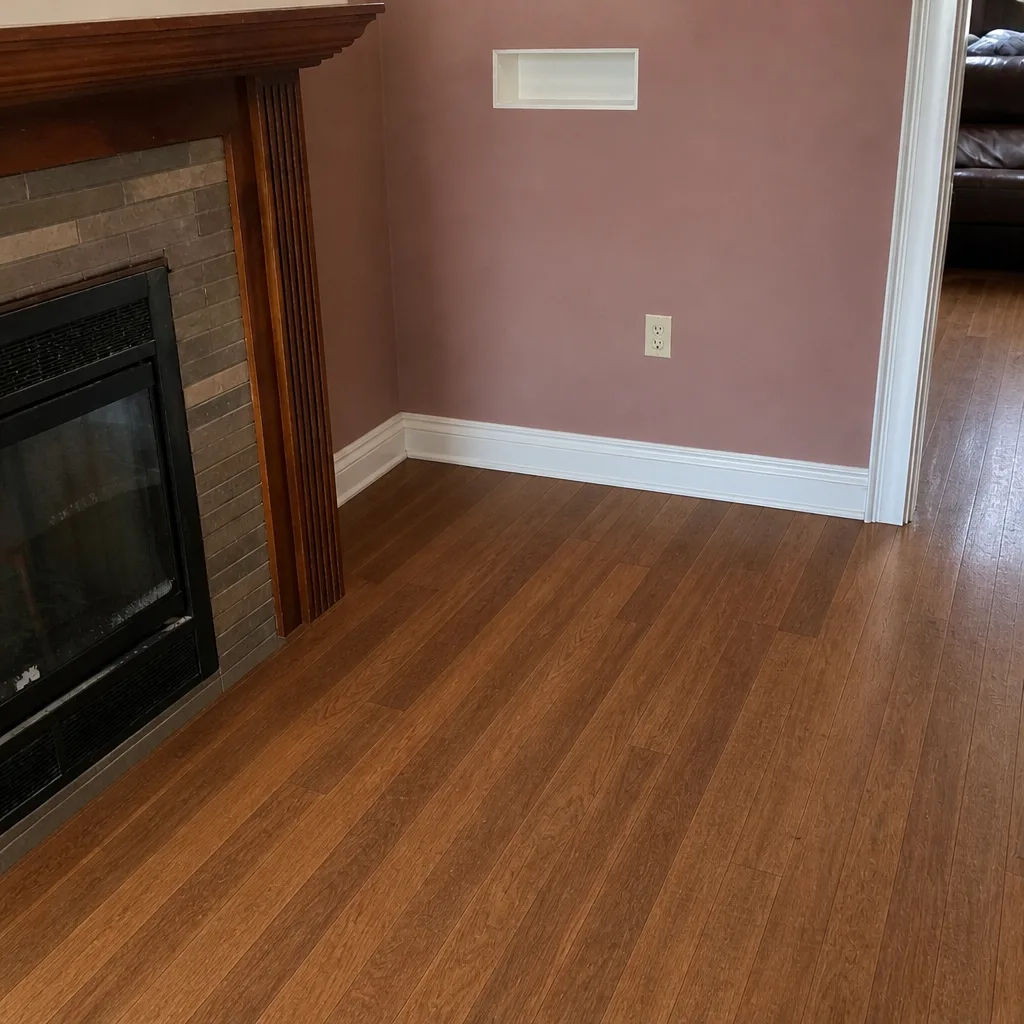 After
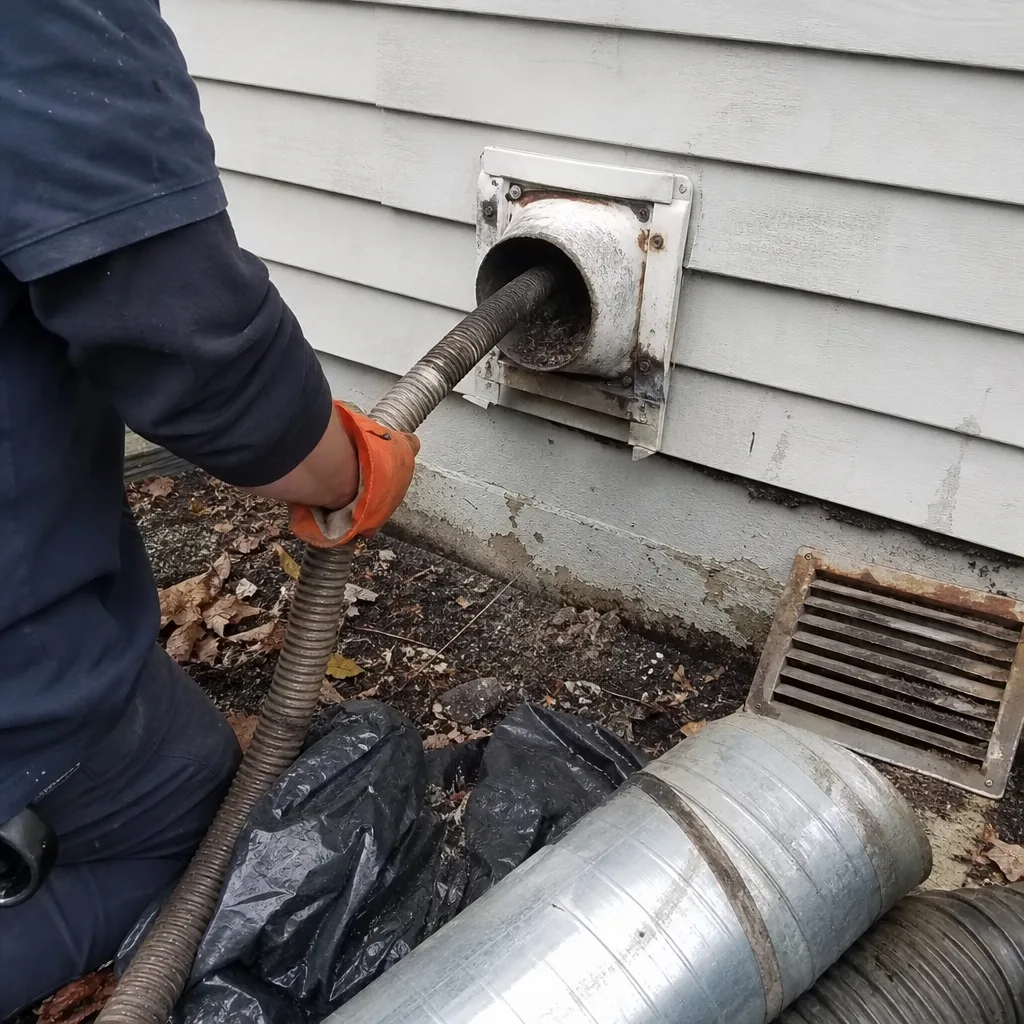 Before
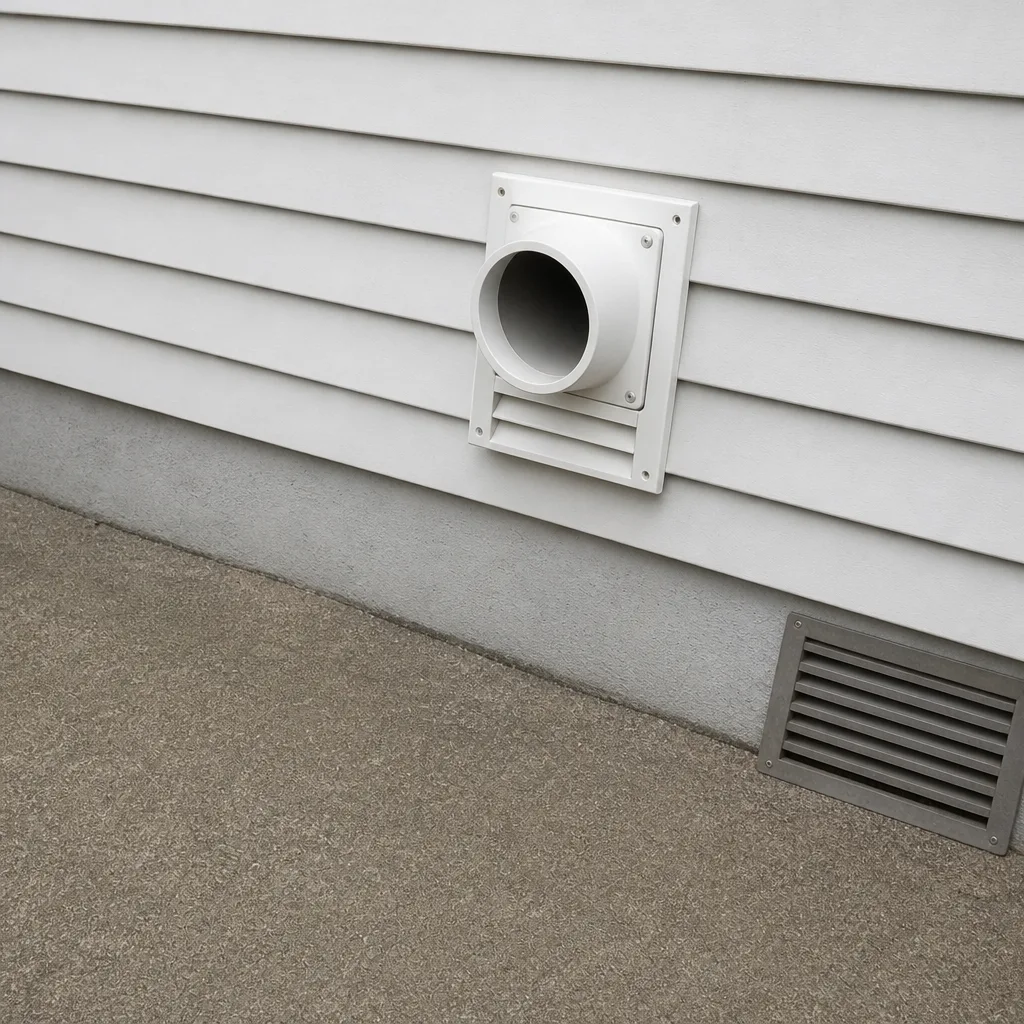 After
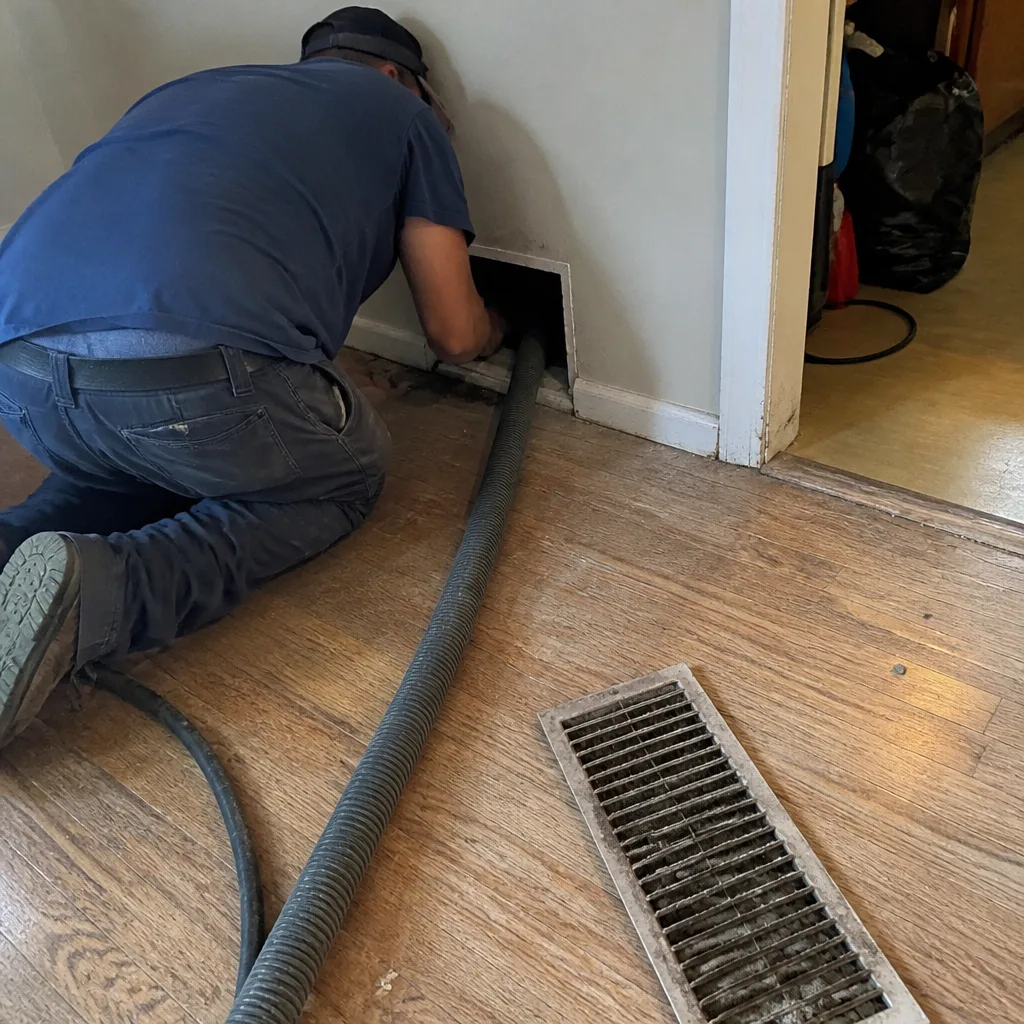 Before
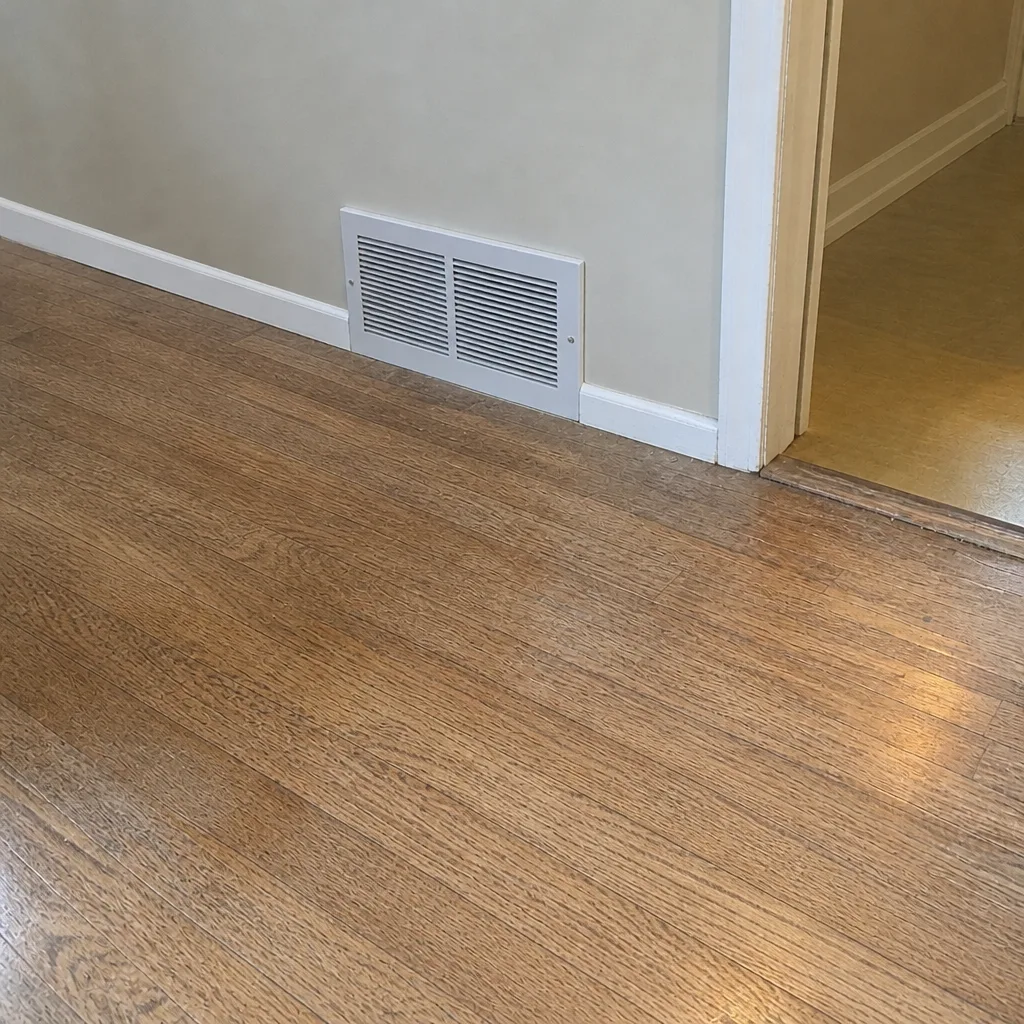 After
When to Call a Professional
Call a professional if any of the following is true: two or more of the overdue signs show up together; your home has been renovated in the past 18 months; a resident has respiratory sensitivity and you don’t have a baseline reading; you see visible debris at the exterior vents or inside a register; you’ve noticed higher energy use with no other explanation; or your maintenance framework calls for cleaning and you’re within the interval window. Also call if you’re not sure: a professional inspection answers the question faster than you can on your own. Air Duct Cleaning Parkside offers free estimates in Parkside. Call (833) 482-5968. We answer 24/7. Fast dispatch from 7am to 7pm, Sunday through Friday.
Frequently Asked Questions
Most homes should have air ducts cleaned every 3 to 5 years, but the interval depends on your household conditions. Homes with pets, recent renovations, older flex duct, high occupancy, or a resident with respiratory sensitivities typically need cleaning every 18 to 24 months. Low-occupancy homes with sealed rigid ductwork and diligent filtration can safely go 6 to 7 years. Call (833) 482-5968 to talk through where your Parkside home lands. Estimates are free.
No, unless specific circumstances apply. Annual cleaning is unnecessary for most homes, but if you have a recent renovation, a heavy pet load, or a household member with asthma, the shorter 18-to-24-month interval is more appropriate than annual cleaning. Call (833) 482-5968 for a specific recommendation based on your home.
A professional duct cleaning should include the supply and return duct interiors, the air handler coil and blower area, registers and grilles, and containment to keep dust out of the living space during work. Duct repair and sealing are typically a separate scope, as is air quality testing. Ask upfront. Air Duct Cleaning Parkside uses Rotobrush and Nikro rotary brush systems with Abatement Technologies containment. Estimates are free; call (833) 482-5968.
A properly sized high-MERV filter reduces dust load reaching the ducts but doesn’t eliminate the need for cleaning. Filters that are undersized for the return, or installed in a leaky filter slot, provide much less benefit than a sealed setup. The filter is part of the picture, not a substitute for cleaning. Call (833) 482-5968 for a filter-and-ducts assessment.
Vacuuming the register grilles removes surface dust but doesn’t address contamination on the duct interior. A consumer vacuum doesn’t develop the airflow or rotary action to dislodge settled debris from duct walls, and it can aerosolize dust back into the room instead of capturing it. Register checks are a homeowner task; cleaning the duct interior is not. Call (833) 482-5968 for a professional assessment.
Before-and-after photographs of your own ducts, plus a baseline air quality measurement before and after cleaning, are the two most reliable signals. Ask for both. Air Duct Cleaning Parkside photographs the work and offers pre- and post-testing on every job. Call (833) 482-5968 for a free estimate.
The Bottom Line
A single universal cleaning schedule fits almost no one. Build your interval around the conditions in your home: pet load, occupancy, duct type, filtration, and renovation history. If two or more compressing conditions apply, plan for 18 to 24 months. If none apply, 5 to 7 years is safe with clean annual checks. Do the homeowner tasks between cleanings and let a professional handle the duct interior, sealing, and testing. Time your cleaning to fall in the Northeast to capture the meaningful contamination cycle. Keep a written log so each decision builds on the last. That framework is what separates a schedule that works from one that just sounds responsible. When you’re ready for a professional assessment, Air Duct Cleaning Parkside offers free estimates. Call (833) 482-5968. We answer 24/7. Fast dispatch from 7am to 7pm, Sunday through Friday.
Written by the team at Air Duct Cleaning Parkside.