
Last updated November 25, 2026
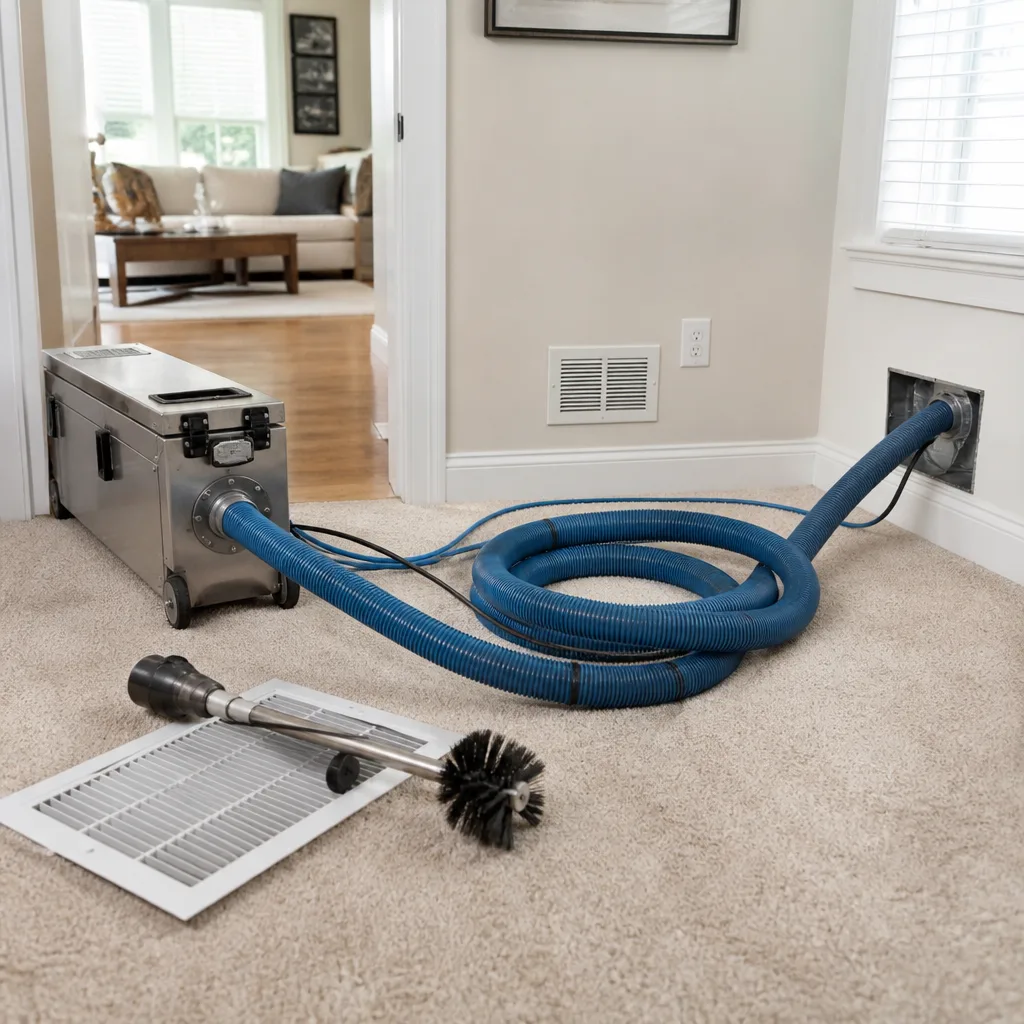 Whole-home duct cleaning
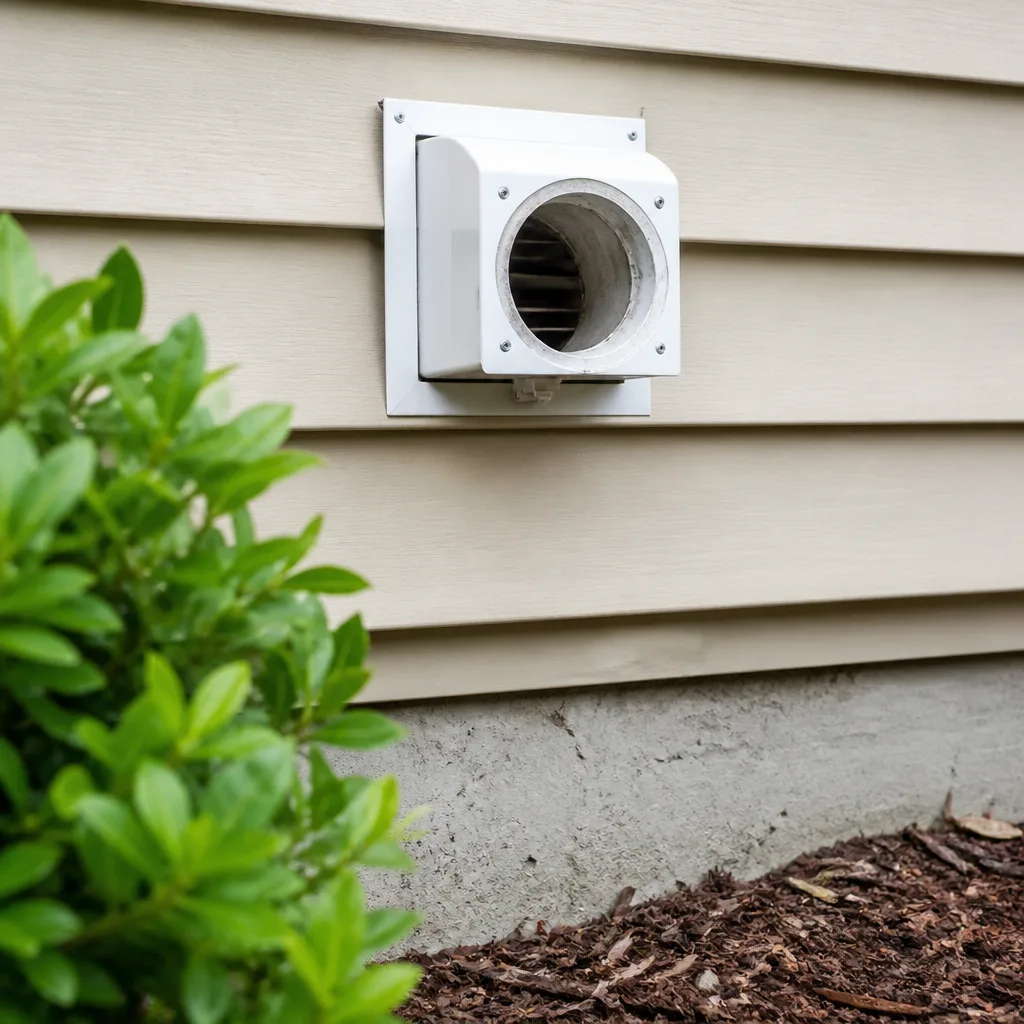 Dryer vent cleaning
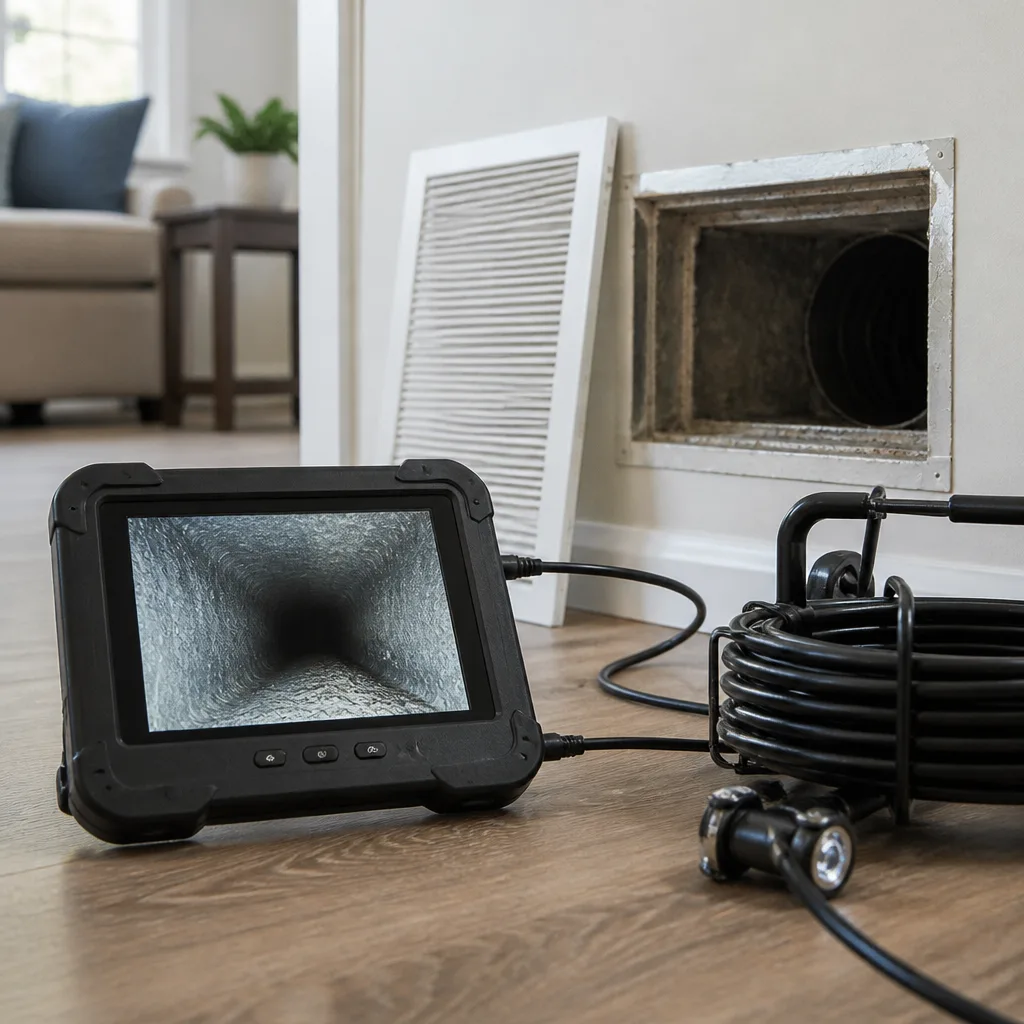 Camera inspection
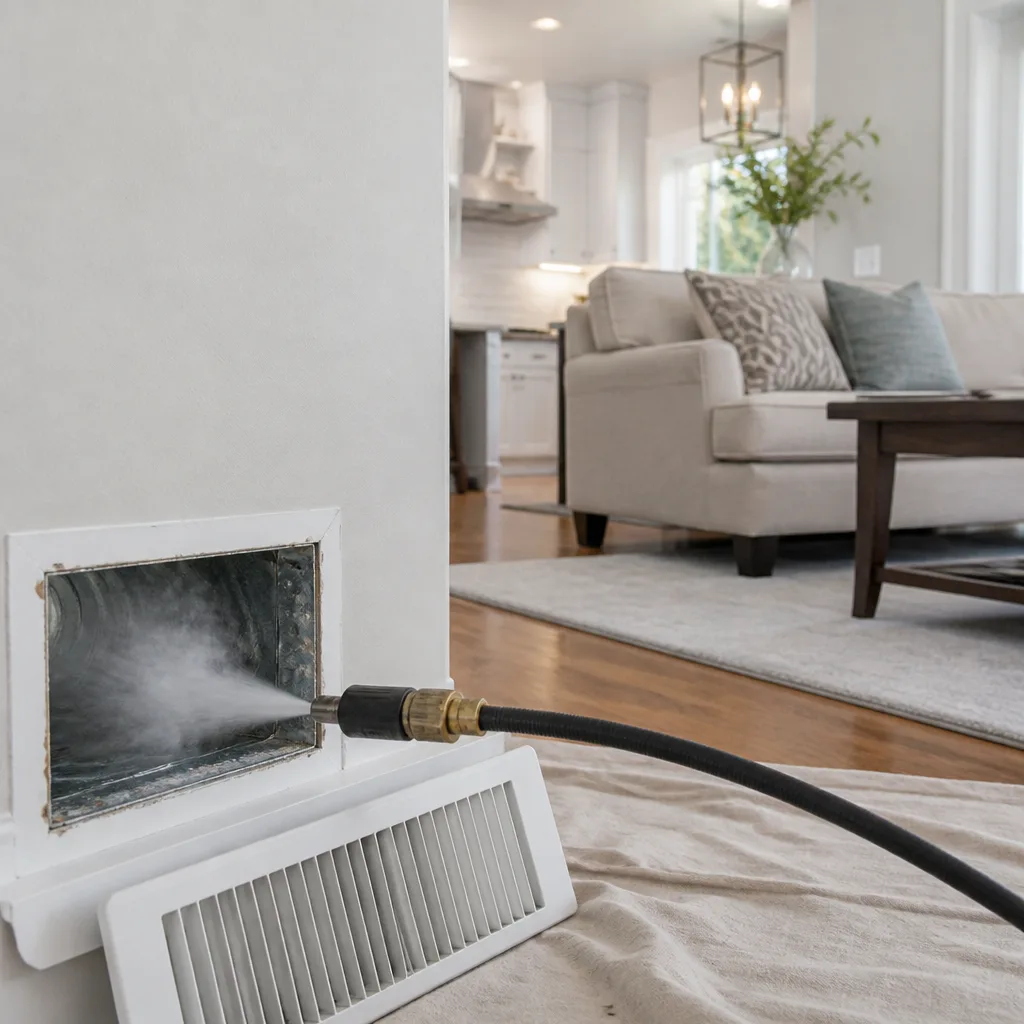 Sanitizing & deodorizing
Whole-system duct and dryer vent check with before-and-after photos - you see exactly what came out of your vents
That "$99 whole-house special" is a bait ad - the real number appears once they are in your hallway, or the "clean" is a shop-vac at the register. We photograph the inside of your ducts before and after instead.
DIY vs Professional Air Duct Cleaning: The Parkside Homeowner’s Decision Guide
Most duct cleaning advice online splits into two camps: “you can do it all yourself with a shop vac” and “call a pro immediately.” Neither is honest. A homeowner with a shop vac and a brush kit can genuinely clean the first foot or so inside a supply register. A professional running a truck-mounted vacuum cleans the full duct run under negative pressure, pulling debris out of the system instead of pushing it around. Those are not the same job, and the gap between them is mechanical, not marketing. This guide explains where that line sits, what you can responsibly do between professional cleanings, and how to judge whether your Parkside home needs a pro now or whether careful DIY maintenance can extend the interval.
Quick Answer
Professional air duct cleaning is worth the cost when debris, dust, or contamination reaches the main trunk line and the full duct run, because only a high-powered negative-pressure system can remove it without redistributing it. DIY cleaning is genuinely useful for register covers, filter changes, and visual checks, but consumer equipment can’t reach or capture what’s inside the ductwork beyond the first few inches. If your goal is cleaner air across the whole system, the equipment makes the difference.
Styles & brands we work with
- Whole-home duct cleaning
- Dryer vent cleaning
- Camera inspection
- Sanitizing & deodorizing
Table of Contents
- Why negative pressure changes the physics of cleaning
- What DIY maintenance can legitimately do
- What consumer equipment can’t reach
- When a DIY attempt makes contamination worse
- How to assess whether your system needs a professional now
- The cost math: when DIY saves money and when it doesn’t
- What’s specific to Parkside homes and ductwork
- Common mistakes to avoid
- When to call a professional
Why Negative Pressure Changes the Physics of Cleaning
Duct cleaning isn’t scrubbing. It’s extraction. The core principle is that you capture debris while it’s dislodged, before it can settle somewhere else in the system. That’s what negative pressure means: the collection unit pulls air toward itself faster than the brush or agitation tool loosens material, so the debris travels into the vacuum rather than into the room or deeper into the ducts.
Truck-mounted vacuum units and high-powered portables move air at volumes no consumer tool can match. The suction is what carries dislodged dust, dander, and dry debris through the duct run and into the collection unit. A shop vac pulls a fraction of that volume, and where it can’t pull, it pushes. Air displaced by the vacuum nozzle simply escapes into adjacent ductwork, carrying dust with it.
Professional duct cleaning in Parkside, NY, runs on this principle. Our equipment, including air duct cleaning tools from Rotobrush and Nikro, uses rotary agitation combined with negative-pressure capture. The rotary brush loosens material from the duct walls while the vacuum removes it in the same pass. Paired with Air Duct Cleaning Parkside protocols that include Abatement Technologies containment equipment, the airflow in the work area stays controlled instead of releasing into living space. That’s a remediation-grade approach, not a surface wipe-down.
Why the source and destination matter
A shop vac cleans the register and the visible interior of the duct boot. A negative-pressure system cleans the full run from the register back through the branch duct, into the main trunk, and toward the air handler. The dust you see at the register is often a fraction of what has accumulated in the horizontal runs and the main trunk, where airflow is slower and debris settles.
What DIY Maintenance Can Legitimately Do
We’re not going to tell you that every duct cleaning job requires a professional. There’s real work a Parkside homeowner can do between professional cleanings, and doing it well extends the interval before a full cleaning becomes necessary.
- Clean the supply and return register covers. Pop them off, wash them in warm soapy water, dry them fully, and reinstall. This removes the visible dust layer that settles on the louvers and grilles.
- Replace HVAC filters on schedule. A clogged filter restricts airflow, which increases dust settling in the ducts because air moves slower. Changing filters on the manufacturer’s recommended interval is the single highest-value thing you can do yourself.
- Vacuum the register boots carefully. You can reach the first 10-12 inches of the duct boot with a brush attachment on a shop vac. Keep the vacuum running while you brush, and don’t push the brush past the point where the boot meets the branch duct.
- Inspect visually. Shine a flashlight into each register after cleaning it. Look for visible dust buildup, moisture stains, or signs of pest activity. Note what you see – it will inform the next professional assessment.
- Check return air grilles and the filter slot. The return side often collects more debris than the supplies because it pulls air from the whole house. Wipe down the filter slot interior and look for dust buildup on the return grille face.
That’s the legitimate DIY list. Everything past the register boot gets into territory where tools and capture method start to matter more than effort. If you’re also curious about the other air-handling components in your home, HVAC cleaning covers the coil, blower, and cabinet side of the system, which is a separate scope from the ducts themselves.
What Consumer Equipment Can’t Reach
The honest answer is: most of the system. Consumer shop vacs and consumer brush kits are designed for surfaces and short runs, not for closed ductwork. Here’s where the mechanical limits sit.
- Branch ducts past the boot. Once the duct turns or runs any distance, the shop vac loses air volume. Effectively no capture happens, and the brush just stirs dust.
- Main trunk lines. These are large-diameter ducts where airflow volume matters most. A shop vac can’t create negative pressure across a main trunk, so any debris loosened there simply redistributes.
- Inside coil cabinets and the air handler. You shouldn’t be reaching into a sealed HVAC cabinet with a consumer vacuum even if it fits. This is where professional HVAC cleaning and, often, coil cleaning overlap.
- The spaces between duct sections. Debris packs at duct joints, transitions, and elbows. Reaching those with a consumer kit is difficult and risks dislodging connections.
- Moisture and microbial growth. If there’s visible or suspected mold in a duct, no consumer tool is appropriate. Disturbing it can release spores into the airstream that flows through the rest of the house.
When we assess a Parkside home, the discovery is often that the homeowner cleaned the registers thoroughly and the ductwork behind them is where the actual contamination sits. That’s normal. It’s also why a full-system approach matters: the ducts, the air handler, and the registers are one connected system, and cleaning one part leaves the others as they were.
When a DIY Attempt Makes Contamination Worse
We’ve seen DIY attempts turn a manageable situation into a much more involved one. Not because the homeowner did something reckless, but because the physics of duct airflow don’t reward good intentions. Here are the specific failure modes.
Disturbing microbial growth without containment
If there is visible mold or suspected mold in a duct, brushing it loose sends spores into the airstream. Once airborne inside the duct system, spores travel to every register in the house. Abatement Technologies containment and filtration gear exists precisely to prevent that outcome during professional work. Without it, a DIY attempt can spread contamination that was previously localized.
Pushing debris past the main trunk
A shop vac with a brush attachment doesn’t extract at the volume needed. Debris loosened from one branch can be pushed into the main trunk, where it joins the shared airflow and can be carried to other branches. In a way, attempting to clean one duct can contaminate the entire system through the trunk line.
Dislodging flex duct connections
Many Parkside homes have flex duct in sections of their systems. Flex duct is reinforced with an internal wire helix and is more fragile than rigid metal duct. Pushing a consumer brush with too much force can tear the inner liner or pop a connection at a joint. When that happens, supply air escapes into a wall cavity or basement ceiling instead of reaching the room, which is both an efficiency loss and a contamination pathway. If a duct ends up disconnected, that’s duct repair and sealing territory rather than a cleaning problem.
Using wet methods where dry extraction is needed
Wiping surfaces with damp cloths inside a duct can push moisture into the duct lining and joints, which encourages microbial growth rather than removing it. Duct interiors should be cleaned dry unless a professional has assessed the system and determined otherwise.
How to Assess Whether Your System Needs a Professional Now
This is the decision point that most guides skip. Instead of guessing, work through these indicators. If you answer yes to any of them, a professional assessment makes sense before doing more DIY cleaning.
- Has it been more than three to five years since the last full duct cleaning? Accumulation inside the ducts happens gradually even with good filter maintenance. If you can’t remember the last professional cleaning, it’s worth having the system inspected.
- Do you see visible debris inside the register boots at more than one register? One dusty boot could be an airflow quirk. Several is a system-level signal.
- Has your home recently had major renovation or construction? Drywall dust, sawdust, and insulation fragments readily enter the ducts during work. After a substantial renovation, a professional cleaning is worth considering even if it’s been less than five years.
- Have you moved into a home whose duct history you don’t know? You inherit whatever the previous owner did or didn’t do. A one-time inspection and cleaning gives you a clean starting point.
- Are allergy-sensitive household members noticing more symptoms indoors than outdoors? This is not a diagnosis and doesn’t prove anything about your ducts, but it’s a reasonable prompt to have the system looked at.
- Do you see visible moisture, staining, or a musty smell near any register? Moisture in a duct is a professional-only issue. Stop DIY cleaning and have the system evaluated.
- Is the air handler or coil dirty? If the coil is caked and the blower is coated, duct cleaning alone won’t fix airflow issues. The HVAC side of the system needs attention too.
The visual inspection protocol we recommend is simple: flashlight, one register at a time, photograph anything that looks off. Bring those photos to the conversation with a technician. Specifics help.
The Cost Math: When DIY Saves Money and When It Doesn’t
We won’t quote a number that isn’t set by your written estimate, but we can walk through the logic, because that’s what matters for the decision. DIY maintenance is free or nearly free: a filter, a soapy rag, a shop vac you already own. That’s real money saved, and it’s a legitimate reason to do it.
Where the math tilts toward professional cleaning is in avoided downstream costs. Dirty ducts are an airflow problem, and restricted airflow makes the blower motor work harder and the coil get dirtier. A coil cleaning, blower service, or early equipment replacement costs meaningfully more than regular duct maintenance. That’s not a scare tactic; it’s a mechanical sequence that happens when a system runs dirty for years.
The DIY math that works
- Register covers cleaned at home = free, and legitimate.
- Filters changed on the manufacturer’s interval = inexpensive and genuinely effective.
- Light vacuuming of the register boot = free, extends time between cleanings.
The DIY math that fails
- Attempting to clean the main trunk with a shop vac = time spent, no real removal, some risk of redistribution.
- Brushing a duct that might have microbial growth = potential spread and later remediation.
- Ignoring a disconnected flex duct because the supply “still feels cool” = ongoing air loss and dust infiltration through the gap.
We also stock and service Honeywell and Aprilaire air quality systems, so when a home has one of those installed, the filter and filtration side can be evaluated alongside the ducts rather than as a separate conversation. If you want to know what a full-system assessment looks like for your specific home, we can give you an exact quote with a free estimate: call (833) 482-5968.
What’s Specific to Parkside Homes and Ductwork
Parkside sits in an older residential part of Queens, and the housing stock matters here. Many homes in Parkside, NY, were built in mid-century decades when duct systems were sized differently and materials were different from what’s used in new construction. A lot of those homes have been renovated over time, sometimes more than once, which means ductwork that’s been modified, extended, or spliced with flex duct in sections.
That mix of original rigid duct and later flex additions is common in Parkside. So are transition points where a contractor connected new work to old work. Those transitions are where debris packs and where airflow leaks. That makes duct repair and sealing relevant in a way it isn’t for homes with a single, uniform duct system, and it’s why we handle repair alongside cleaning rather than as a separate specialty.
The other Parkside-specific factor is drying. When a bathroom exhaust or laundry exhaust vents into an attic or joist space rather than to the exterior, moisture accumulates in the structure. We see this pattern in older homes across Parkside and nearby Queens neighborhoods. Ductwork near that moisture can develop microbial growth that wouldn’t occur in a properly vented system. dryer vent cleaning is a related service that addresses one frequent source of that problem, and it’s worth scheduling alongside duct work when exhaust routing is a concern.
We also offer air quality and sanitizing as a service, using Guardsman products for the sanitizing treatments. For homes where the ductwork is being cleaned after a renovation or after addressing a moisture issue, sanitizing is a logical finishing step. It’s not a substitute for cleaning, and we don’t present it as one. It’s an additional step when the assessment calls for it.
Common Mistakes to Avoid
- Assuming a cheap shop vac is equivalent to professional extraction. The equipment brands matter because the airflow volume matters. Rotobrush and Nikro systems exist to move enough air to capture debris the consumer tools can’t.
- Skipping the filter schedule because the ducts “look clean.” A clean-looking register doesn’t reflect the filter condition or the accumulated debris behind the boot. Change filters on the manufacturer’s interval regardless.
- Pushing a brush too far into a flex duct. Flex duct liner can be torn by consumer brushes, and a torn liner becomes a supply-air leak that isn’t visible from the register.
- Cleaning one duct and stopping. Ductwork is a single connected system. Cleaning one branch sends debris into the trunk and redistributes it. Either clean full-system or don’t clean inside the ducts at all.
- Ignoring a musty smell because “it’s just old-house smell.” Parkside has a lot of old houses, and old-house smell is real, but a musty smell near a specific register is a moisture signal that deserves a look.
- Treating sanitizing as cleaning. Spraying a sanitizer into a duct that hasn’t been cleaned doesn’t remove the debris, it just coats it. Cleaning comes first, always.
- Assuming a renovation didn’t affect the ducts. Drywall dust and sawdust settle in the ductwork during any significant interior work. If your Parkside home had work done, the ducts are a reasonable thing to inspect.
When to Call a Professional
Call us when the contamination is past the register boot, when you’ve had substantial renovation work, when there’s visible moisture or a musty smell near any duct, when it’s been more than three to five years since the last full cleaning, or when you’ve moved into a Parkside home and don’t know its duct history. Those are the moments where professional equipment and containment actually change the outcome. Our technicians have up to 13 years of experience, and we’re equipped to assess and handle the full system, from HVAC cleaning through duct sealing and sanitizing, rather than sending the cleaning to one vendor and the repair to another. Air Duct Cleaning Parkside offers free estimates in Parkside – call (833) 482-5968. We answer 24/7. Fast dispatch from 7am to 7pm, Sunday through Friday.
See the difference
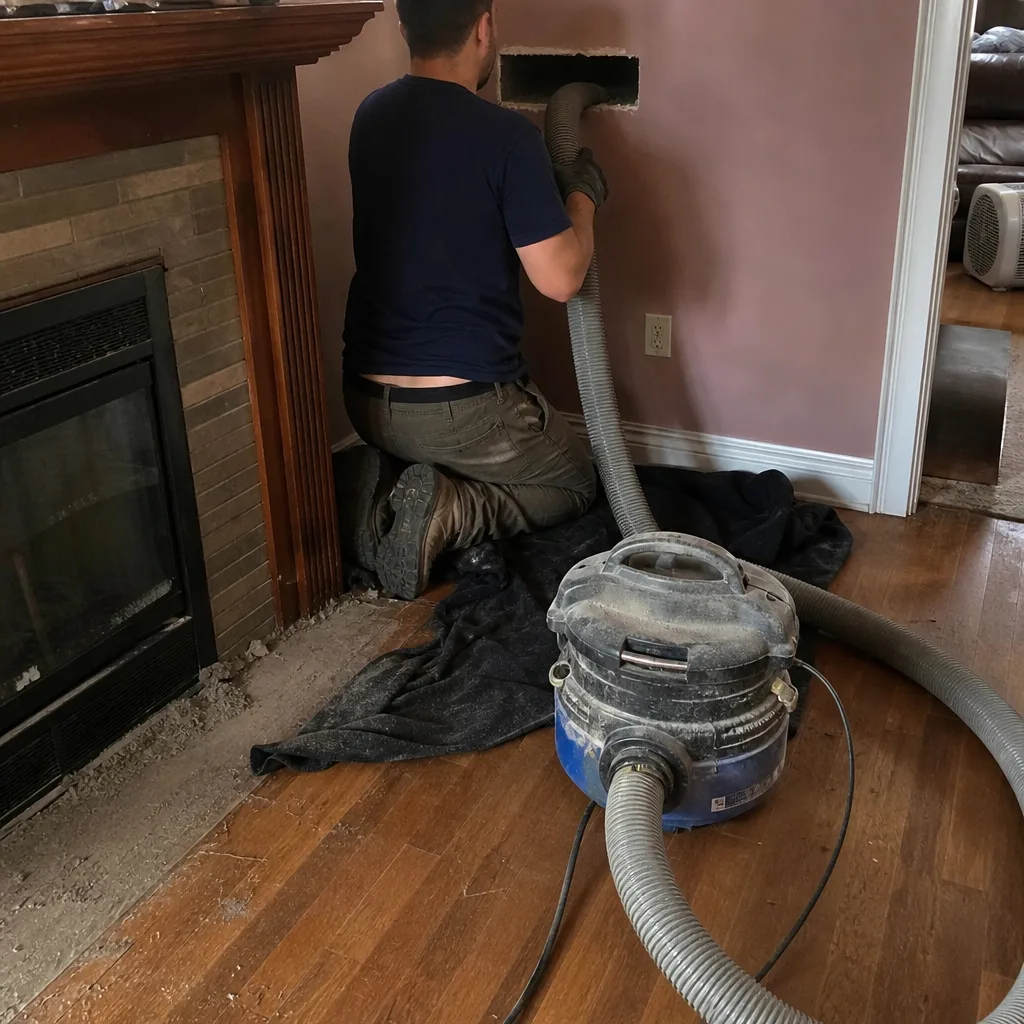 Before
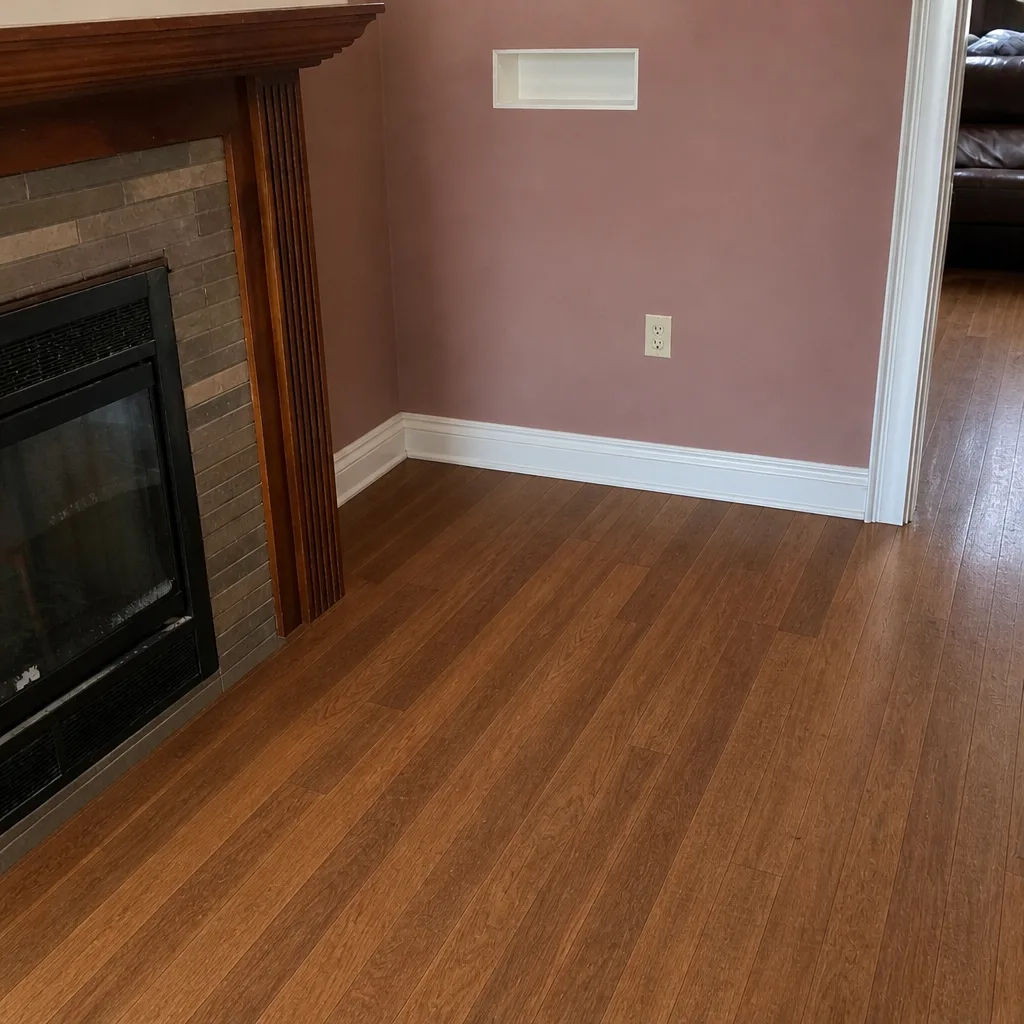 After
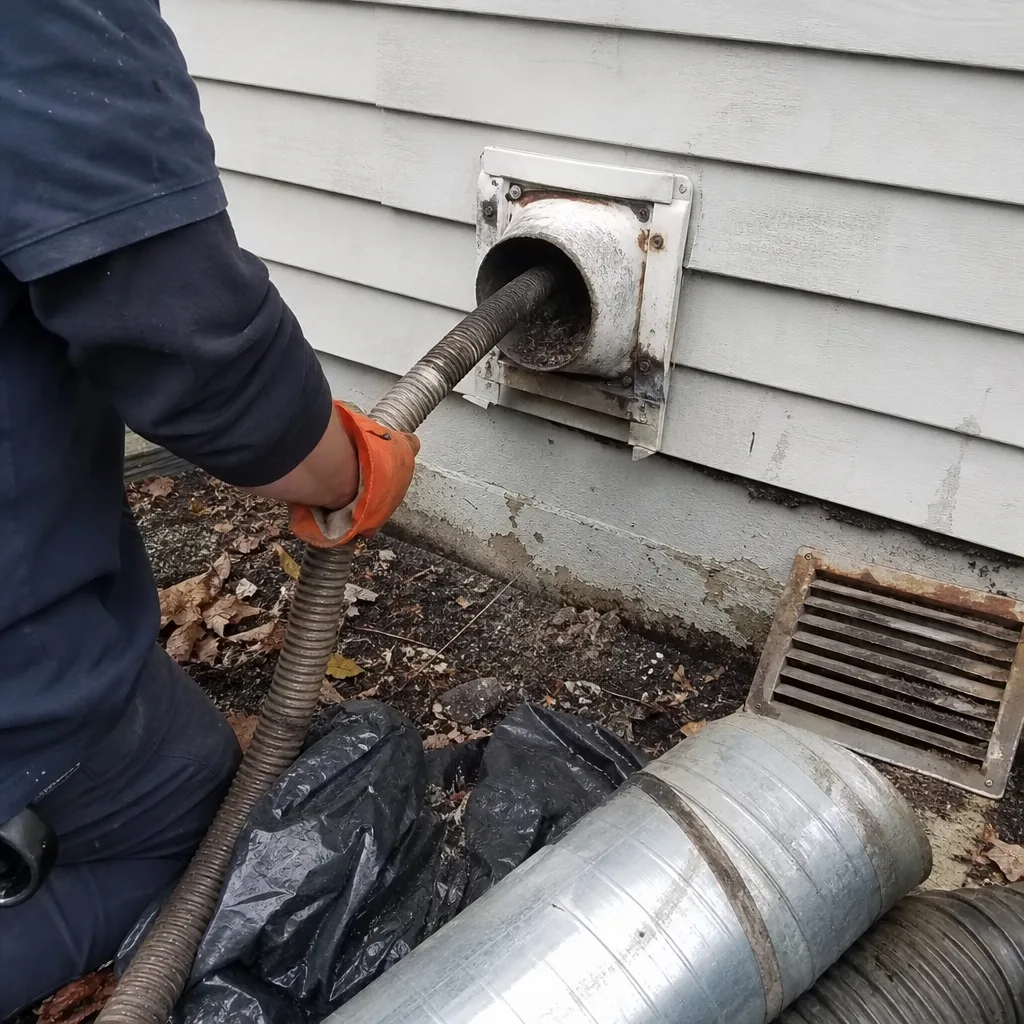 Before
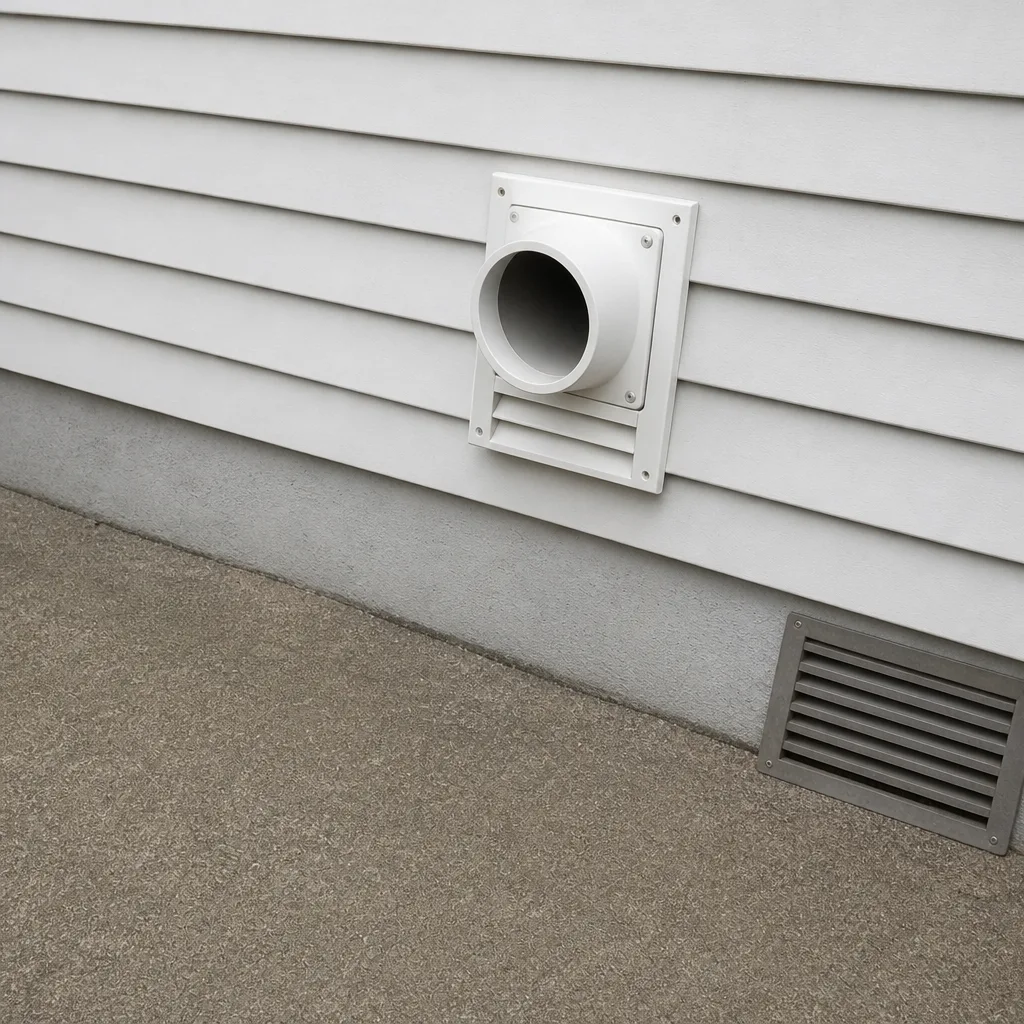 After
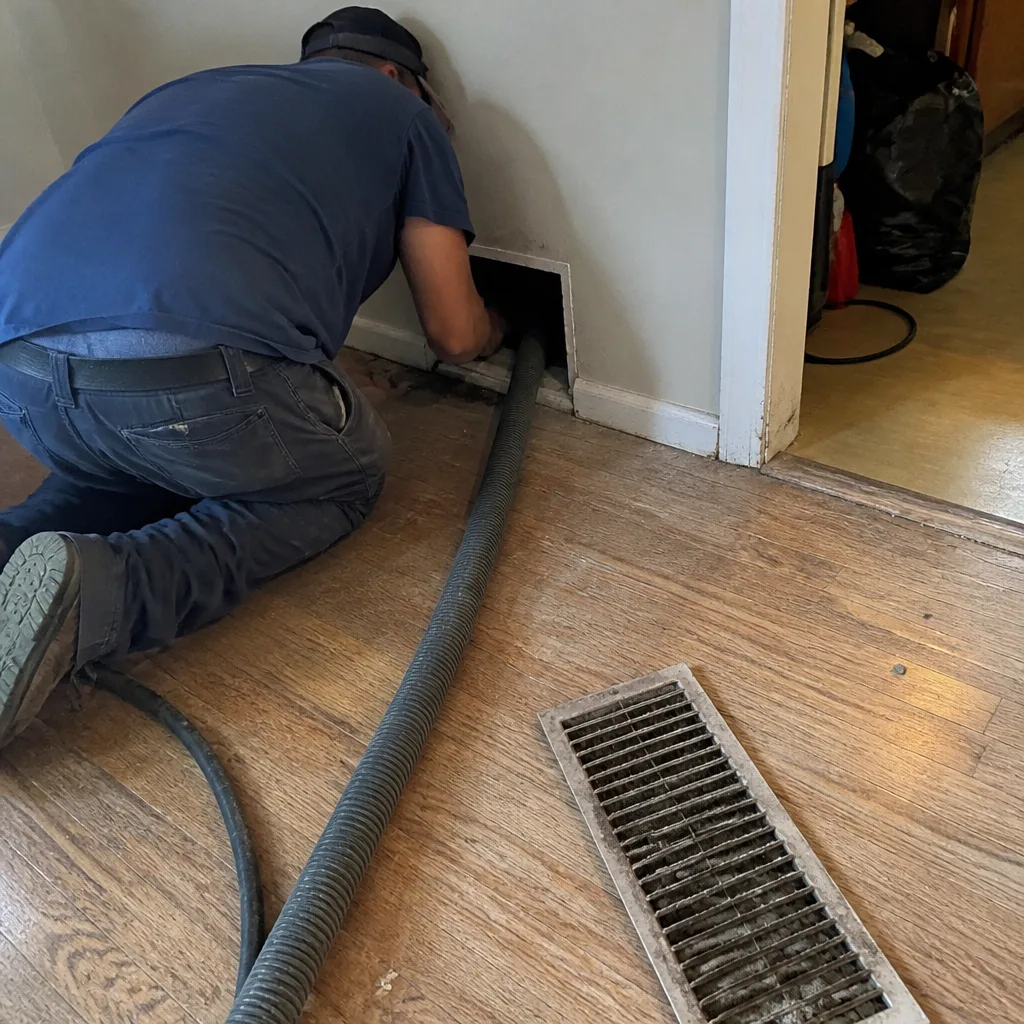 Before
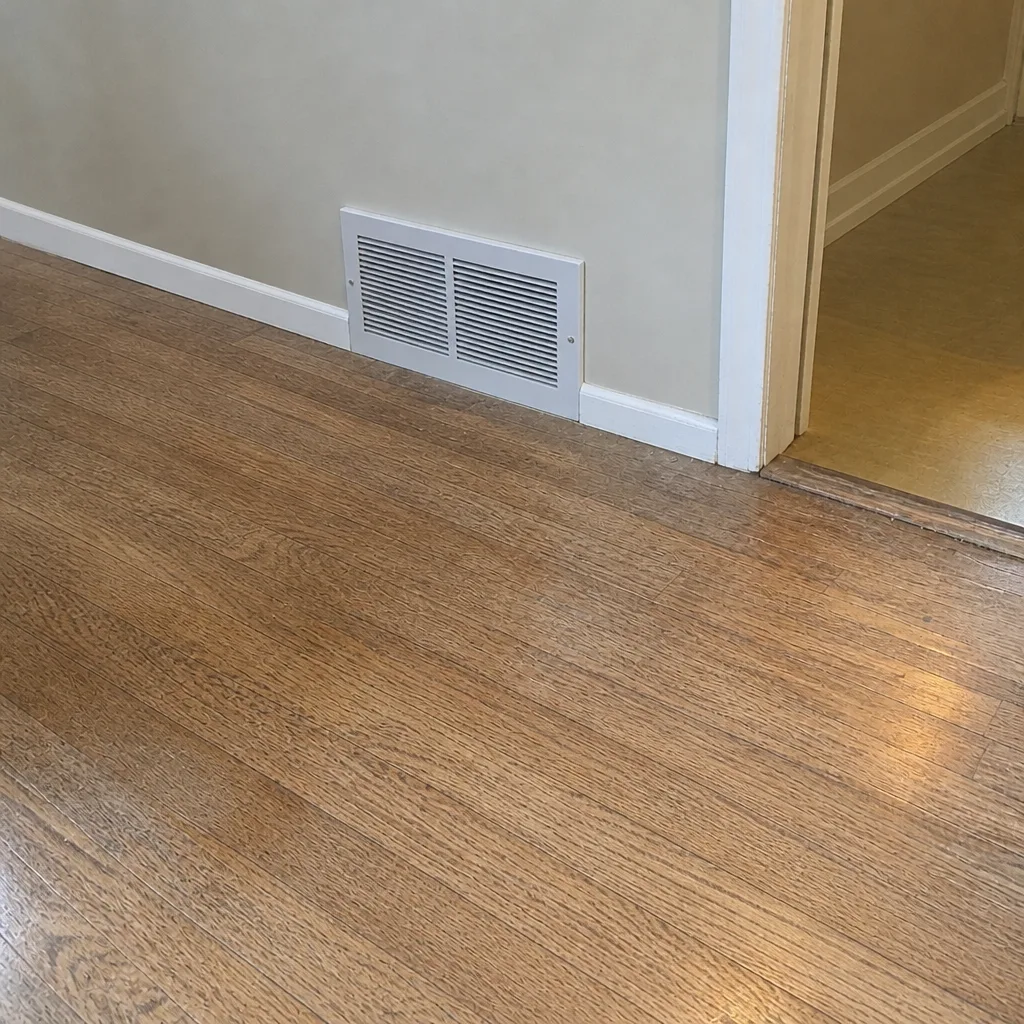 After
Frequently Asked Questions
You can clean the first 10-12 inches of a supply register and the grille covers with a shop vac, and that’s worth doing. You cannot clean the branch ducts, main trunk, or air handler with consumer equipment because a shop vac doesn’t move enough air volume to capture debris at those depths. Attempting it tends to redistribute dust rather than remove it.
The price is set per job by a written estimate because system size, accessibility, and contamination level vary widely between homes. We don’t quote per-vent pricing, and we don’t run teaser coupons that turn into larger invoices. One flat price per system is agreed before work starts, and before-and-after photos of your own ducts are part of the job. Call (833) 482-5968 for an exact quote – estimates are free.
The difference is negative-pressure extraction. Professional systems use truck-mounted or high-powered portable vacuum units combined with rotary agitation from equipment like Rotobrush and Nikro, which loosens and captures debris in the same pass. DIY cleaning uses a shop vac that pulls a small fraction of that volume, so the loosened debris tends to travel rather than leave the system.
Every three to five years is a reasonable general interval for most homes, though homes with pets, allergy-sensitive occupants, or recent renovations often need it more often. If you’re not sure when the last cleaning happened, have the system inspected. The technician can tell from the duct interior and the air handler condition whether cleaning is due now or can wait.
Cleaning alone won’t fix a disconnected or damaged duct. In Parkside’s older housing stock, original rigid duct is often spliced to later flex duct additions, and those transitions are where connections come loose or liners tear. Duct repair and sealing addresses the airflow loss and the pathway for contamination, and it can be done alongside cleaning as a single full-system service.
Ask for before-and-after photos of your own ducts, not stock images. A technician with proper equipment can show you the interior of a register boot and a branch duct before and after work. We also don’t quote in a way that leaves the final number open, so the invoice you receive matches the written estimate you agreed to. Call (833) 482-5968 to schedule an assessment.
The Bottom Line
DIY duct maintenance has a real, limited role: register covers, filter changes, visual inspection, and light vacuuming of the register boot. It doesn’t reach the ductwork beyond that first stretch, and attempting to brush a main trunk or disturb suspect microbial growth can spread contamination rather than remove it. Professional air duct cleaning exists because the equipment matters: negative-pressure extraction, containment, and full-system coverage remove what consumer tools can’t. For most Parkside homes, the right answer is both: careful DIY maintenance between professional cleanings, with a full-system cleaning on a reasonable interval or after any major trigger like renovation, a move, or a moisture issue. When the answer is a full cleaning, one flat price per system agreed before work starts removes the guessing.
Call (833) 482-5968 for a free estimate. We answer 24/7. Fast dispatch from 7am to 7pm, Sunday through Friday. Air Duct Cleaning Parkside handles air duct cleaning, HVAC cleaning, duct repair and sealing, and air quality and sanitizing for Parkside homeowners and property managers who want a straight assessment of what the system needs and a price that doesn’t change once the work begins.
Written by the team at Air Duct Cleaning Parkside.