
Last updated November 25, 2026
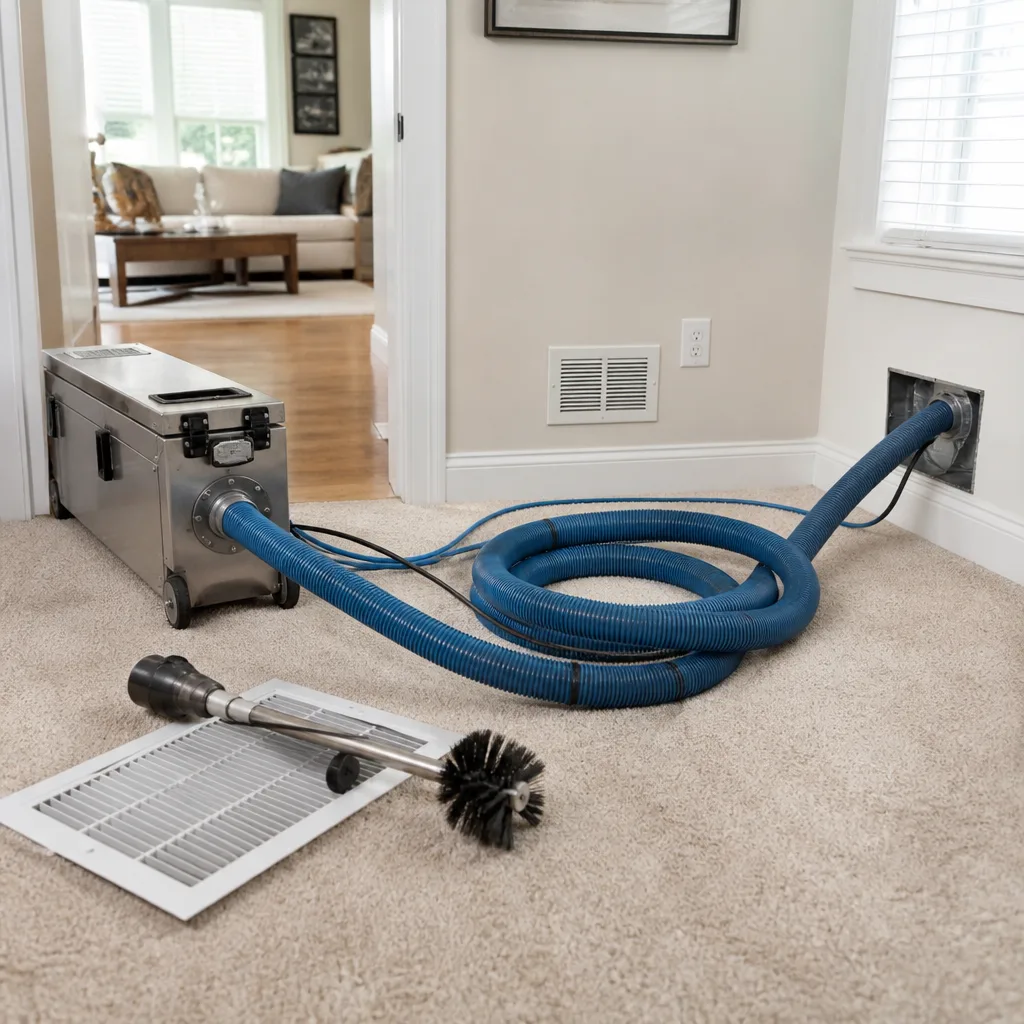 Whole-home duct cleaning
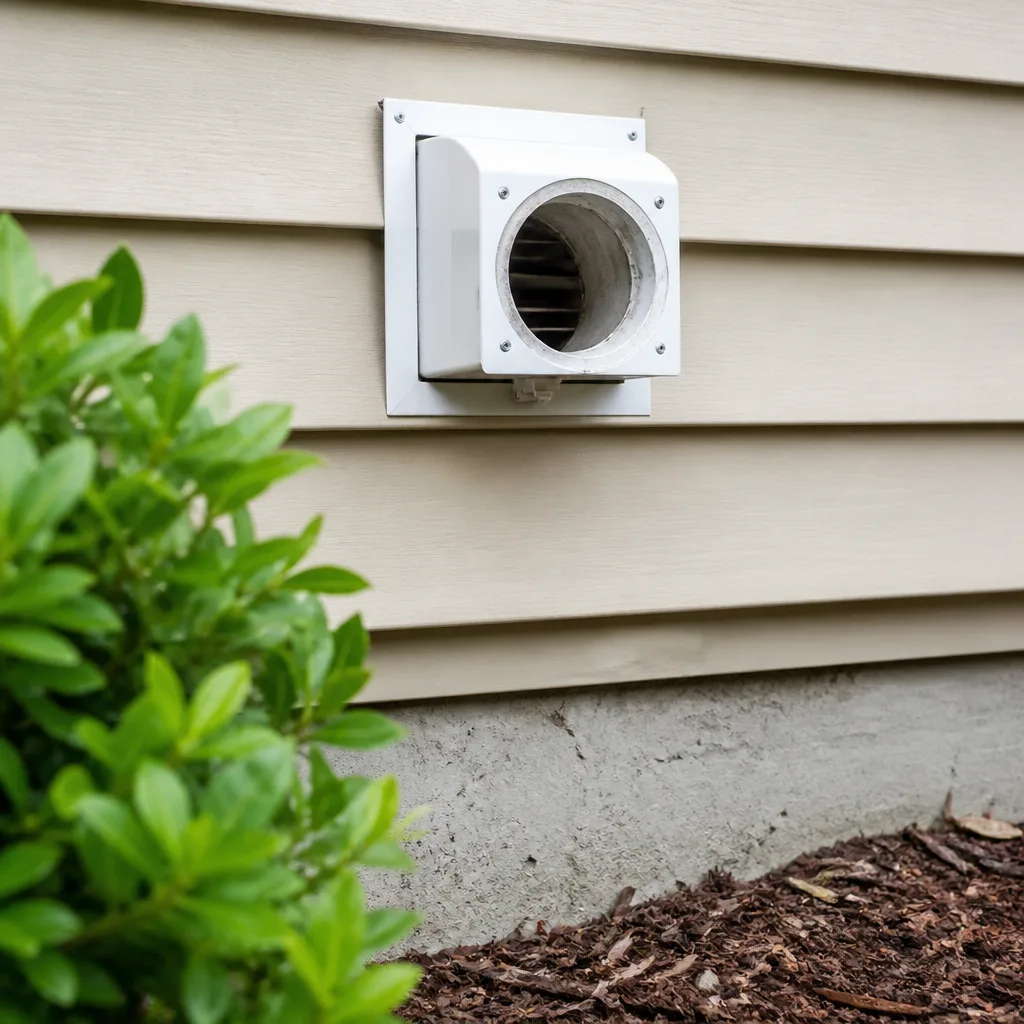 Dryer vent cleaning
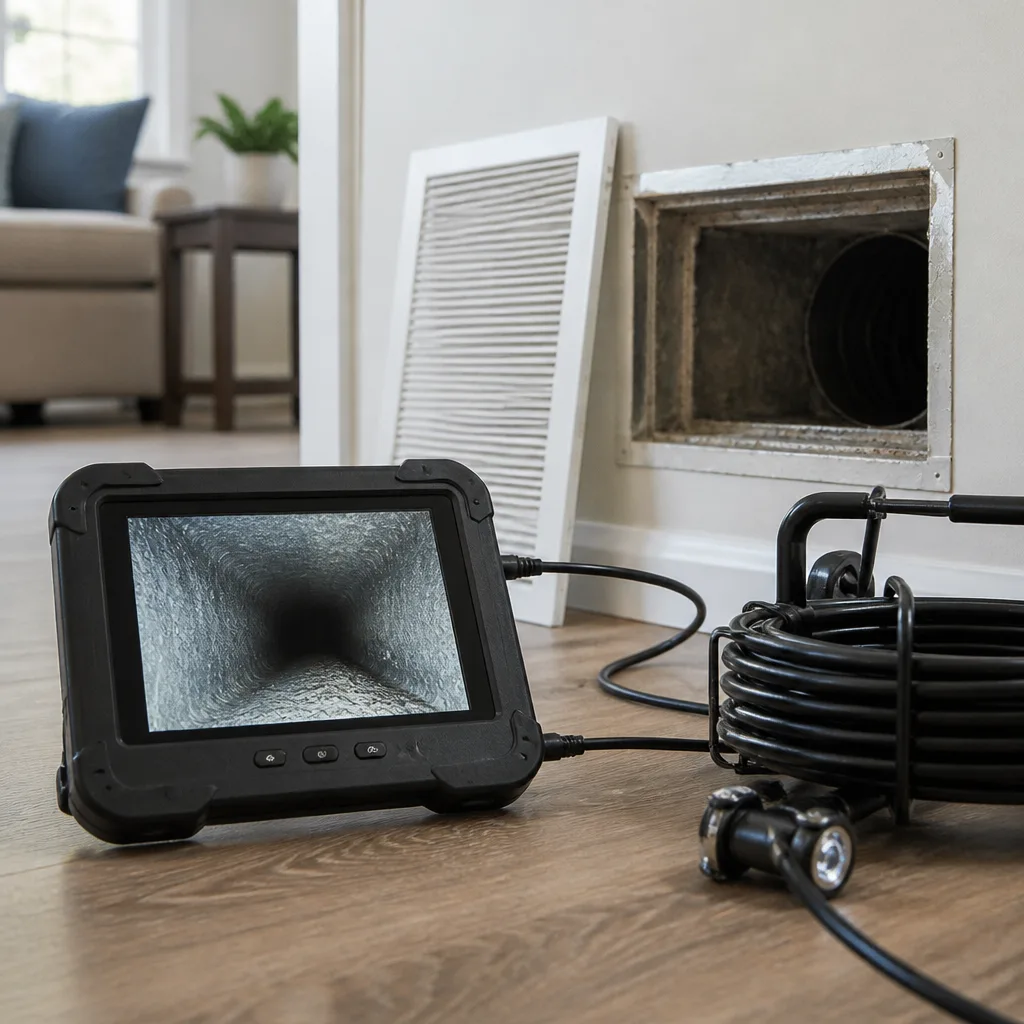 Camera inspection
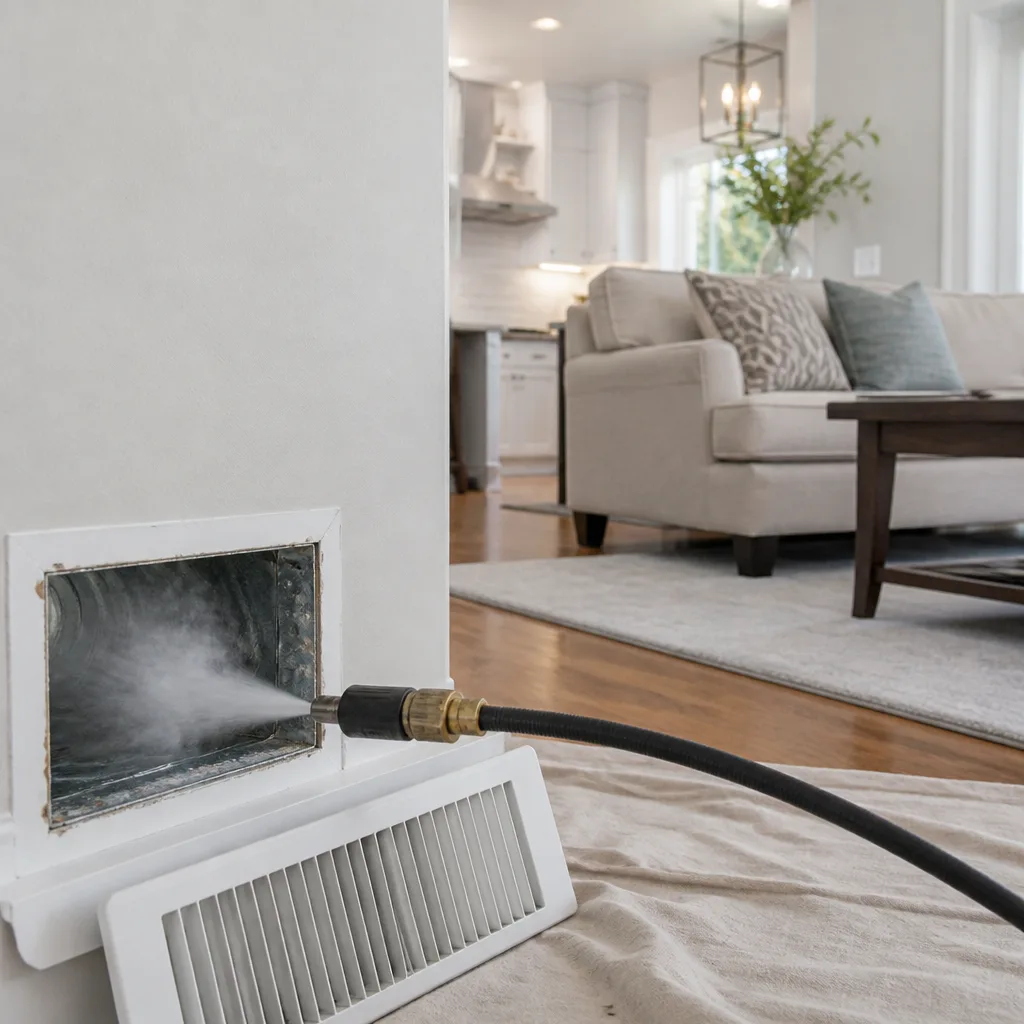 Sanitizing & deodorizing
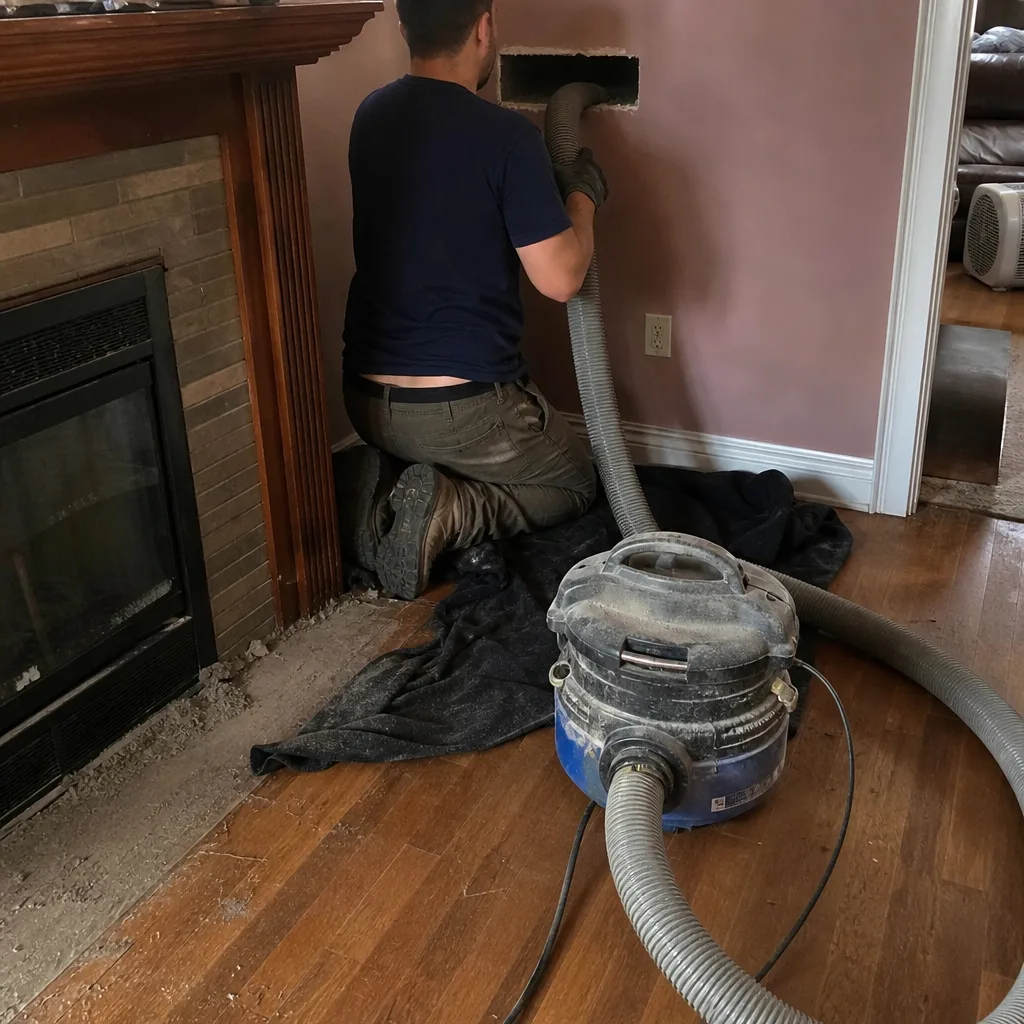
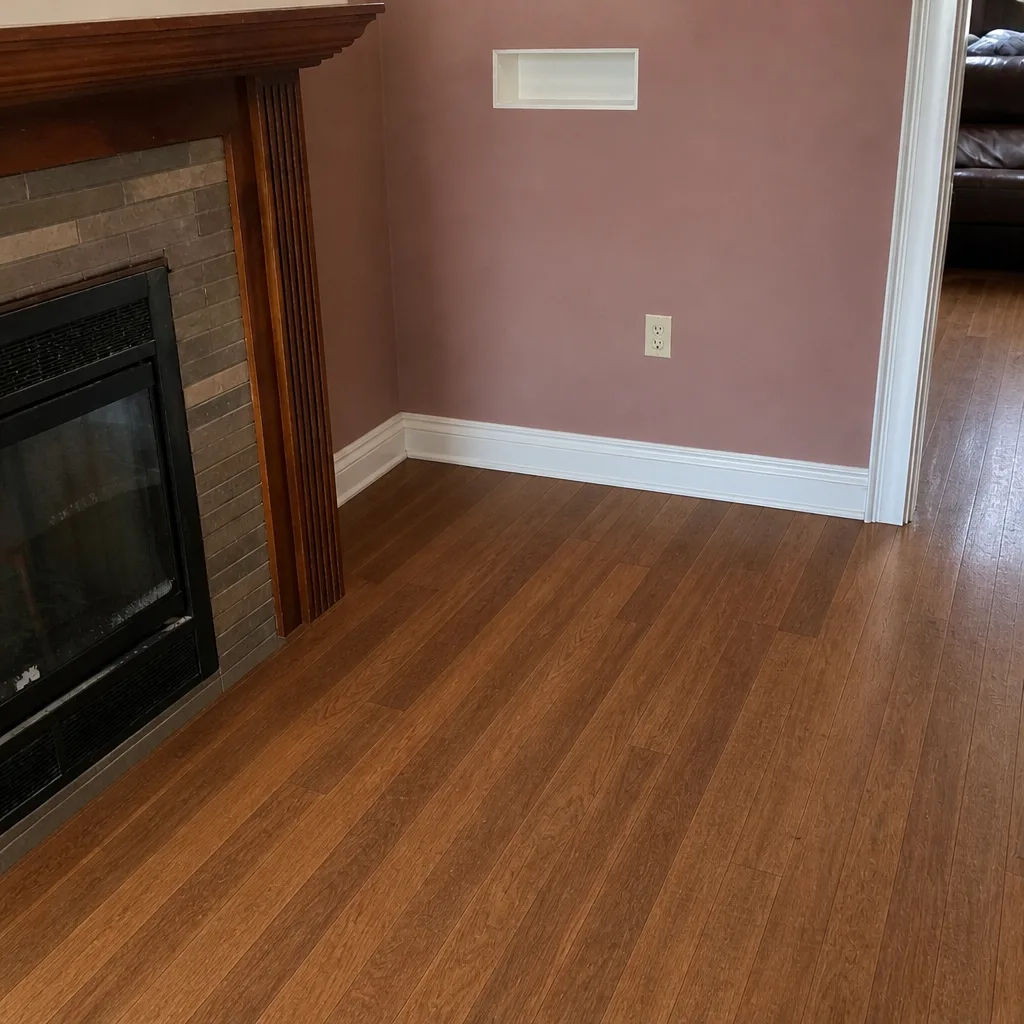
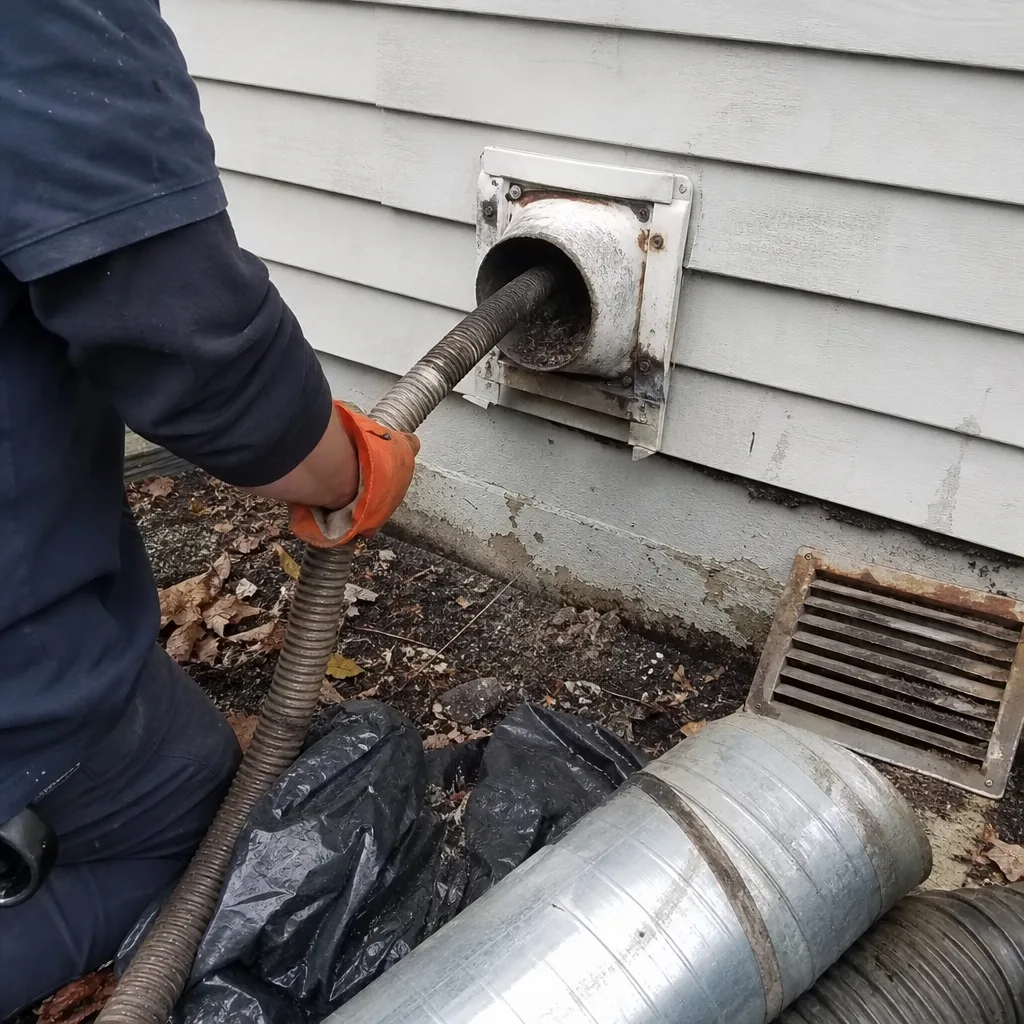
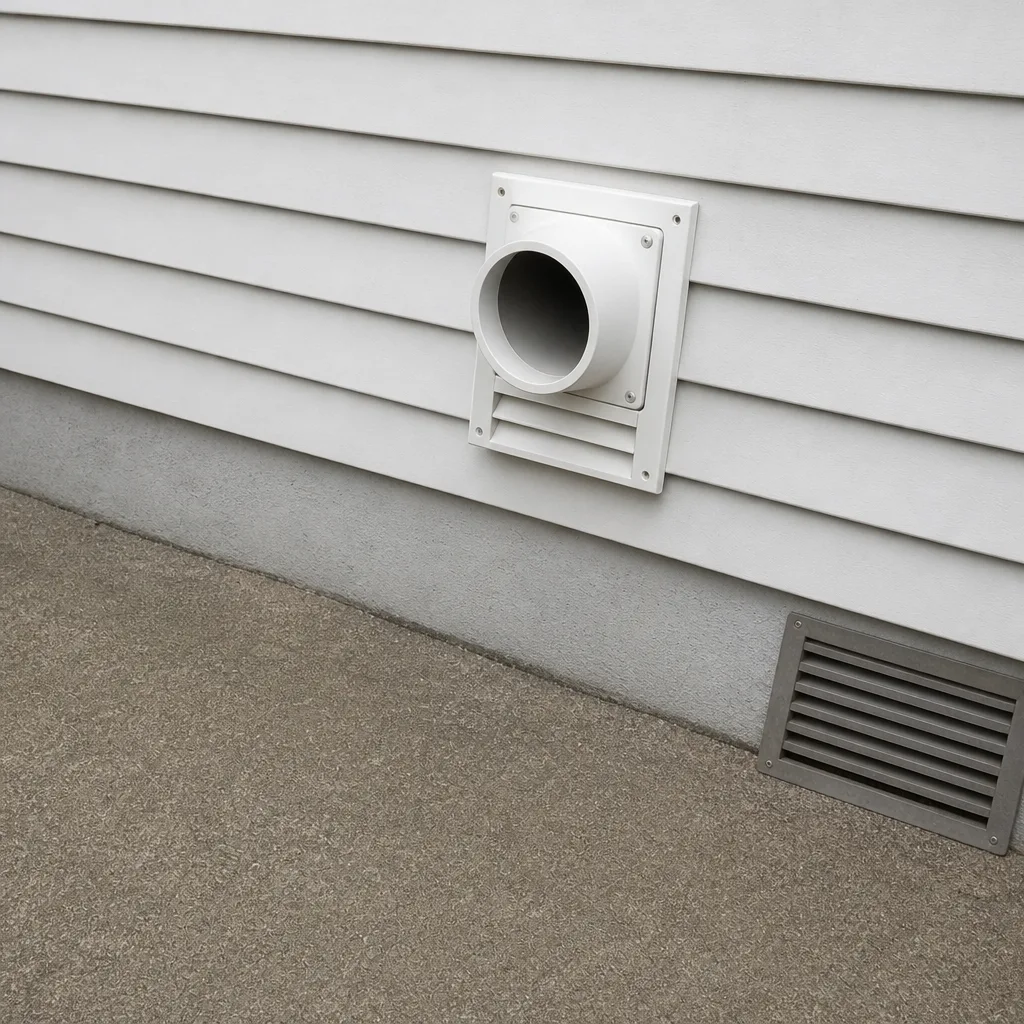
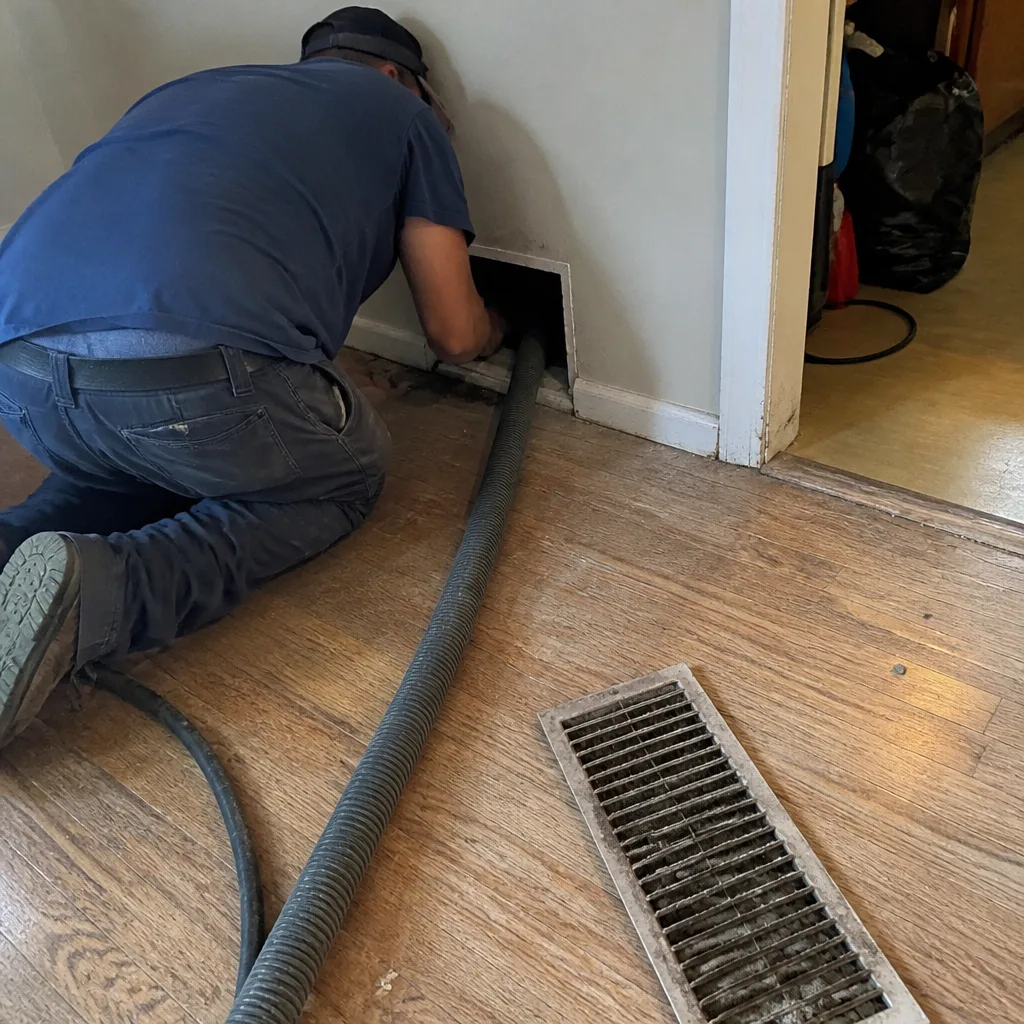
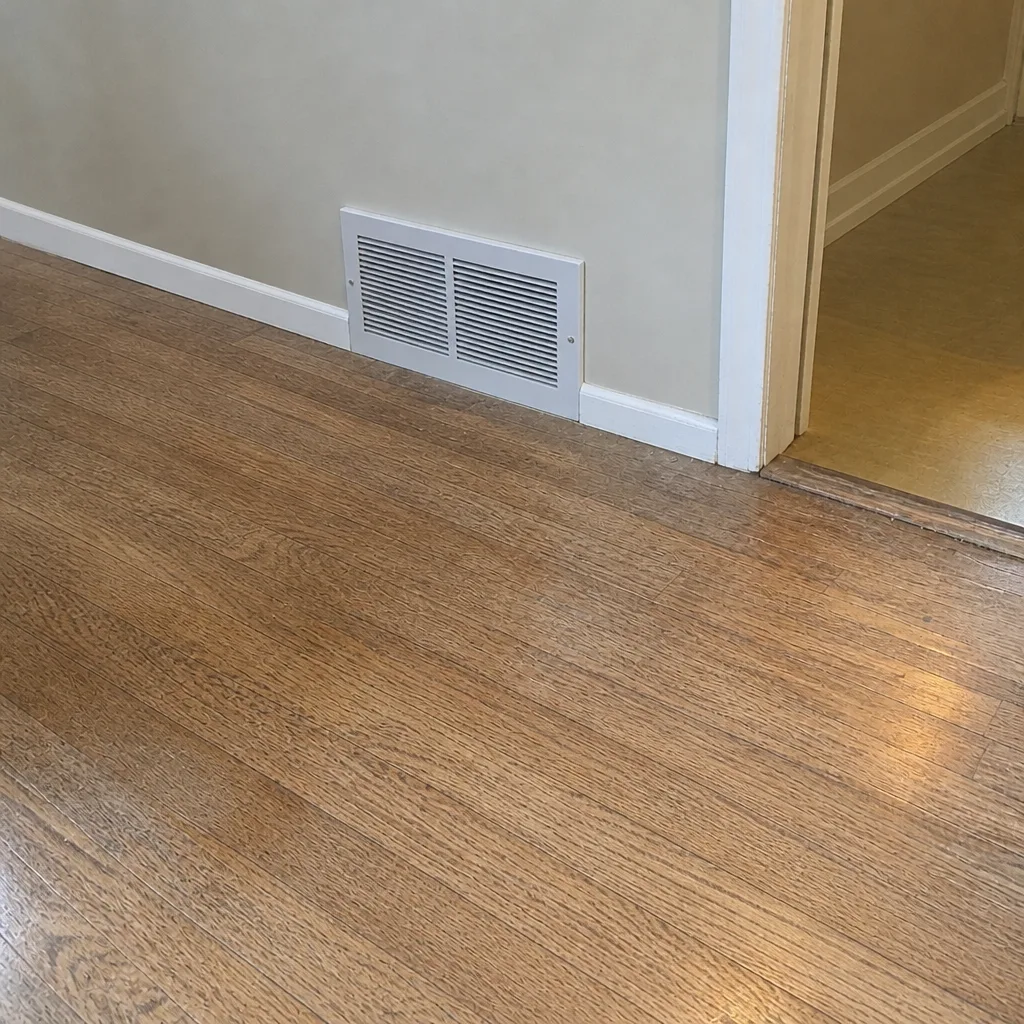
Whole-system duct and dryer vent check with before-and-after photos - you see exactly what came out of your vents
That "$99 whole-house special" is a bait ad - the real number appears once they are in your hallway, or the "clean" is a shop-vac at the register. We photograph the inside of your ducts before and after instead.
Seasonal Air Duct Cleaning Care for Parkside: Year-Round Homeowner’s Guide
Most duct cleaning advice treats the calendar like a metronome: clean once a year, usually in fall, and forget it. That schedule misses how a Parkside duct system actually behaves. The air moving through your ducts changes character four times over a year here, and each season stresses a different part of the system. Spring overwhelms the return side with particulate. Summer tests your drain lines and creates condensation pockets. Fall exposes leaks the moment heat comes on. Winter concentrates everything the other three seasons left behind. This guide maps those four conditions to the maintenance actions each one actually warrants, so you stop cleaning on a guess and start cleaning when the mechanics call for it.
Styles & brands we work with
- Whole-home duct cleaning
- Dryer vent cleaning
- Camera inspection
- Sanitizing & deodorizing
Quick Answer
Seasonal air duct cleaning care in Parkside works best when you inspect twice a year and clean based on what the inspection finds, not on a fixed date. Spring pollen requires a filter and register check before cooling season. Summer demands condensation and drain-line monitoring. Fall is when heating startup reveals duct leaks and airflow problems. Winter is when sealed homes accelerate fine-particle buildup on coils and duct walls. A full cleaning usually lands every 2 to 3 years for most homes, sooner after renovation or a move-in.
Table of Contents
- Why Seasonal Timing Matters in Parkside
- Spring: Pollen Load and Post-Season Filter Assessment
- Summer: Humidity, Condensation, and Return Duct Risk
- Fall: What Heating Startup Reveals About Your Ducts
- Winter: Sealed Homes and Fine Particle Accumulation
- Building a Seasonal Cadence That Fits Your System
- Common Mistakes to Avoid
- When to Call a Professional
- Frequently Asked Questions
Why Seasonal Timing Matters in Parkside
Parkside sits in a climate with a real four-season swing, and that swing is what makes timing matter. A duct system is a container for moving air, and the composition of that air changes with the season: pollen and outdoor particulate in spring, humid air in summer, heated dry air in fall and winter. Each of those loads behaves differently inside a duct.
Pollen is coarse and sticky. It settles on the return-side surfaces and on the blower. Humid summer air carries moisture that condenses on cool metal, especially in return ducts and on coil surfaces, which turns dust into a medium that holds onto the duct wall. Heated winter air is drier and lighter, which means fine particles stay suspended longer and travel deeper into the system before they drop out.
What that means for a Parkside homeowner is simple: the same duct system accumulates different kinds of material in different seasons. A single annual cleaning sees one snapshot. A seasonal cadence sees four.
We’ve seen this play out in homes across Parkside, from older capes with flex-duct runs in unconditioned space to newer construction with tighter envelopes and higher static pressure. The homes that stay cleanest aren’t the ones cleaned most often. They’re the ones cleaned at the right moments. If you want the mechanical picture in more detail, our air duct cleaning page walks through what a full-system job involves.
What “Seasonal Care” Actually Means
Seasonal care isn’t four cleanings a year. That would be wasteful and unnecessary. It’s a rhythm: inspect at the seasonal transitions, clean when the inspection finds a real problem, and time the heavy cleaning to the interval that makes sense for your system type. Some homes need one cleaning every two years. Some need it yearly. A few need it twice in a single year after renovation. The season tells you what to look for, not how often to clean.
Spring: Pollen Load and Post-Season Filter Assessment
The single biggest mistake Parkside homeowners make in spring is waiting until after cooling season to check their system. By then, weeks of pollen have already moved through it. The right window is the four to six weeks between the peak of pollen season and the first hot stretch when the AC starts running hard.
Spring puts an unusual load on the return side. As windows open and outdoor air infiltrates, pollen and fine outdoor particulate enter the return ducts and settle on the blower wheel and the inside surface of the return plenum. The blower wheel is the part most people never see. A lightly dusted blower can still push air, but its efficiency drops and it starts to throw off balance. That imbalance shows up as noise or reduced airflow by July.
Spring Checklist for Parkside Homes
- Replace or clean the filter at the start of pollen season, not after it. Note the date.
- Check the filter again roughly four weeks later. If it’s visibly loaded with pale dust, that’s pollen.
- Open a few supply registers and look inside with a flashlight. Coarse deposits near the register face mean the supply side is picking up material.
- Listen to the blower at startup. A new rattle or hum is worth noting before cooling season.
- Look at the return grille. A gray film on the grille face is a normal pollen-year sign; heavy buildup inside the return boot is not.
- Schedule an inspection if the filter loads unusually fast or you see visible deposits inside registers.
The point of the spring check is diagnostic, not cosmetic. You’re establishing a baseline before the AC runs hard, so that when summer arrives you know what’s normal and what’s new.
On the equipment side, this is where professional-grade matters. Consumer shop vacuums and hand brushes stir up material without containing it. A proper job uses a rotary brush system like Air Duct Cleaning Parkside with Rotobrush or Nikro equipment, paired with negative pressure and HEPA filtration to keep what’s loosened inside the machine rather than in your living room.
Summer: Humidity, Condensation, and Return Duct Risk
Summer is when Parkside duct systems work hardest and hide the most problems. Continuous AC operation means the evaporator coil stays cold and the supply air stays cool. Cool surfaces in a humid environment collect condensation. That’s normal at the coil and drain pan. It’s not normal deeper in the system.
The two places to watch are return ducts that run through unconditioned space and the condensate drain line. A return duct in a hot attic or crawlspace can drop below the dew point on its exterior, which wets the insulation and eventually the duct itself. A drain line that clogs slowly over the season is a common summer failure, and when it backs up, water finds the drain pan or the ceiling below it.
What to Look For in Summer
- Water stains or soft spots on the ceiling below an air handler or duct run.
- A musty smell that appears when the AC first starts and fades after a few minutes.
- Condensation on the outside of supply ducts in a basement or crawlspace.
- Standing water in the drain pan or a slow-draining condensate line.
- Reduced airflow from registers that was fine in spring.
If you notice any of these, the fix is diagnostic first. A duct inspection can tell you whether the moisture is coming from a leak, an insulation failure, or a drain issue. Our HVAC cleaning service covers the coil, drain pan, and air handler side where most summer moisture problems originate.
Containment matters here more than people realize. When a technician opens a duct system that has been damp for weeks, the material inside can become airborne. That’s why we use Abatement Technologies filtration and containment equipment on summer jobs, the same protocol standard associated with remediation-level work. Loose dust in a dry duct is one thing. Damp dust is another.
Fall: What Heating Startup Reveals About Your Ducts
The first time the heat comes on in fall is the most useful diagnostic moment of the year. A heating system that’s been idle for months will tell you more about your duct condition in ten minutes than a visual inspection will in an hour. The question is whether you know how to read it.
That first-heat smell is normal to a point. Dust that settled on the heat exchanger over the summer burns off, and you get a dry, dusty odor for a few minutes. What matters is what happens after: if the smell clears, the system is fine. If it persists, changes character, or comes with visible smoke or a burning-plastic odor, that’s a warning, not a quirk. Turn the system off and have it looked at.
What Heating Startup Tells You
- Run the heat for ten minutes on a mild day with windows closed. Note the smell at minute one, minute five, and minute ten.
- If the smell lingers past ten minutes, note whether it’s dusty or acrid. Dusty means settled particulate; acrid means something is overheating.
- Walk the house and check that every register has airflow. A cold room in fall often means a duct leak or a damper problem.
- Listen for whistling or roaring at registers. That’s static pressure telling you the duct system is restricted or undersized.
- Check the filter again. Fall is when summer dust that didn’t get caught shows up.
- Look for visible dust streaks at duct seams and joints. Those are leak points.
Airflow balance is the underrated part of fall. A home that heated evenly last winter and doesn’t this winter has a duct integrity issue, not a furnace issue. Sealing and repair address the root cause; cleaning alone doesn’t. That’s why we offer Duct Repair & Sealing alongside cleaning, so the system is both clean and sealed.
Our technicians have up to 13 years of experience reading these startup signs, and the pattern is consistent: the homes that get a fall inspection avoid the mid-winter emergency call.
Winter: Sealed Homes and Fine Particle Accumulation
Winter is the season most homeowners ignore their ducts, and it’s the season the system accumulates the most. Two things happen at once. The house is sealed tight against the cold, so there’s less fresh air exchange. And the heat runs continuously, so every particle in the system recirculates many times a day.
That combination accelerates fine-particle accumulation on duct walls and coil surfaces. Coarse dust settles quickly; fine dust doesn’t. It stays suspended, passes through the filter, and deposits on the evaporator coil and the inside of the supply plenum. Over a winter, a coil that was clean in October can build a visible film by March.
Winter Maintenance That Actually Helps
- Check the filter every 30 to 45 days. Winter filters load faster than summer filters in a sealed home.
- Keep interior doors open when you can. Closed doors pressurize rooms and unbalance return airflow.
- Watch for dust streaks around supply registers. New streaks mean new leaks.
- Pay attention to static shocks and dry air. Very dry air in winter is a humidity signal, and it’s often a sign the system is running longer than it should.
- Avoid running the fan continuously unless you have a reason. Constant fan moves more fine particulate onto the coil.
Winter is also when air quality treatment earns its place. A sanitizing treatment using Guardsman products addresses biological activity in the system, and Honeywell and Aprilaire filtration systems capture the fine fraction that standard filters miss. The goal is cleaner air at the register, not just a cleaner duct wall.
Building a Seasonal Cadence That Fits Your System Type
A seasonal cadence is a schedule you build around your system, not a schedule you copy from a website. Two homes on the same block in Parkside can need different cadences because their duct systems, envelopes, and occupancy are different. Here’s how to build yours.
Step-by-Step: Building Your Cadence
- Identify your system type. Flex duct, rigid metal, and ductboard each behave differently. Flex duct traps material in its corrugations; rigid metal is easier to clean but leaks more at joints.
- Note your envelope tightness. A newer, tighter home accumulates fine particulate faster in winter. An older, leakier home pulls in more outdoor particulate year-round.
- Record your spring filter date and loading rate. A filter that loads in four weeks means heavy particulate load. One that lasts three months means a lighter load.
- Do a fall heating startup check every year. This is the single most useful diagnostic of the year. Don’t skip it.
- Schedule a professional inspection every 12 to 24 months. The inspection tells you whether to clean now or wait.
- Adjust for events. Renovation, a move-in, a pet addition, or a new HVAC install all reset the clock. Clean after them, not on the usual interval.
Matching the Interval to the System
- Well-maintained flex-duct system, no pets, no recent renovation: full cleaning every 2 to 3 years, with seasonal checks.
- Older rigid metal system with known leaks: cleaning every 2 years, plus Duct Repair & Sealing to fix the source.
- Home with pets or allergy sufferers: cleaning every 12 to 18 months, plus filtration upgrades.
- Recent renovation or move-in: clean once within 90 days, then resume the normal interval.
- Dryer vent: annual inspection, regardless of duct schedule. It’s a separate system with its own fire risk.
Dryer vents deserve their own line because they’re often forgotten. Our dryer vent cleaning service exists because a lint-clogged vent is a genuine fire hazard and a seasonal cadence should include it once a year.
Common Mistakes to Avoid
- Cleaning on a fixed date instead of a fixed condition. A fall-only schedule misses the spring pollen load entirely. Clean when the inspection says to, not when the calendar does.
- Waiting until after cooling season to check the filter. By then the pollen is already in the system. Check before cooling season starts, when you can still prevent the problem.
- Assuming a persistent first-heat smell is normal. A brief dusty smell is normal. A smell that lasts ten minutes or more, or smells acrid, is a warning. Have it checked.
- Ignoring cooling-season moisture signs. Water stains, soft ceiling spots, and musty odors in summer are condensation problems, and they get worse the longer you wait.
- Skipping the winter filter checks. A sealed home loads a filter faster than an open one. Check every 30 to 45 days in winter.
- Running the fan continuously all winter. It moves fine particulate onto the coil and costs more energy. Run it when you need it.
- Cleaning without repairing. A clean duct with a leak re-dirties fast. Sealing and cleaning belong together, which is why we handle both.
- Skipping the dryer vent because it’s not the HVAC system. It’s a separate fire risk and deserves an annual inspection regardless of your duct schedule.
When to Call a Professional
Some seasonal care is homeowner-level: filter changes, register checks, listening for changes in airflow and smell. Some isn’t. Call a professional when you see visible deposits inside registers or the return boot, when a first-heat smell persists past ten minutes, when you find water stains or soft spots near a duct run, when airflow drops noticeably in one part of the house, or when a renovation or move-in has left construction dust in the system. Those are the situations where a real inspection and a full-system cleaning save you a larger repair later. A professional-grade job uses rotary brush and vacuum equipment with containment, not a shop vacuum and a brush.
Air Duct Cleaning Parkside offers free estimates in Parkside. Call (833) 482-5968. We answer 24/7. Fast dispatch from 7am to 7pm, Sunday through Friday.
Frequently Asked Questions
For most Parkside homes, a full air duct cleaning every 2 to 3 years is the right interval, with seasonal inspections twice a year. Homes with pets, allergy sufferers, recent renovation, or a move-in should clean within 90 days of the event and then resume the normal interval. The inspection, not the calendar, should make the final call. Call (833) 482-5968 for an exact quote – estimates are free.
A brief dusty smell for the first few minutes is normal. Dust settled on the heat exchanger over the summer is burning off. If the smell lasts longer than ten minutes, smells acrid, or comes with visible smoke or a burning-plastic odor, turn the system off and have it checked. That pattern can indicate an overheating component or a duct problem, not normal burn-off.
Spring is the better time if you’re trying to remove pollen load before cooling season. Fall is the better time if you want heating startup to reveal problems before winter. In practice, most homes benefit from a spring inspection and a fall startup check, with the actual cleaning scheduled when the inspection finds a real need. That’s often spring for pollen-heavy homes and fall for homes with older duct systems.
A professional duct cleaning should use rotary brush and high-powered vacuum systems with negative pressure and HEPA filtration. Rotobrush and Nikro are the industry-standard brands for this work. Containment equipment, such as Abatement Technologies filtration, matters on jobs where the system has been damp or heavily loaded. A shop vacuum and a hand brush don’t contain what they loosen.
Winter increases the need for filter checks, not necessarily for cleaning. A sealed home running heat continuously recirculates fine particulate many times a day, so filters load faster. Check the filter every 30 to 45 days in winter. A full cleaning in winter is only necessary if the inspection finds a problem that can’t wait for spring.
Yes. Seasonal care can include filtration and sanitizing alongside cleaning. Honeywell and Aprilaire systems handle the fine-particle fraction, and Guardsman products are used in sanitizing treatments. Pairing treatment with cleaning and duct repair gives the cleanest result, because a clean duct with a leak re-contaminates quickly.
The Bottom Line
Seasonal air duct care in Parkside isn’t four cleanings a year. It’s four inspections and one well-timed cleaning, scheduled by the condition of your system rather than the date on the calendar. Spring tells you about pollen load. Summer tells you about moisture. Fall tells you about leaks and airflow. Winter tells you about fine-particle accumulation. The homes that stay cleanest are the ones that listen to all four. Our technicians have up to 13 years of experience helping Parkside homeowners build a cadence that fits their system, and free estimates are always available. Call (833) 482-5968 to get started.
Written by the team at Air Duct Cleaning Parkside.
See the difference
 Before
 After
 Before
 After
 Before
 After