
Last updated November 25, 2026
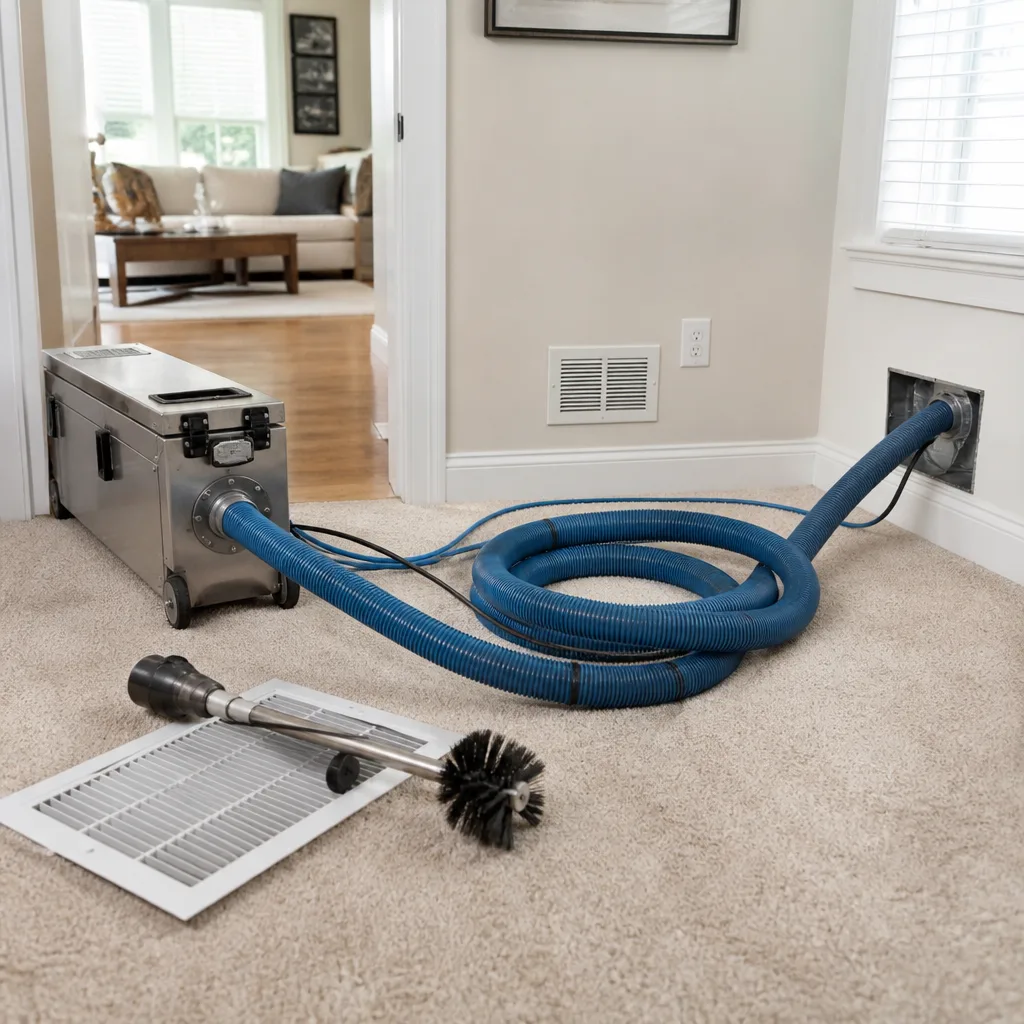 Whole-home duct cleaning
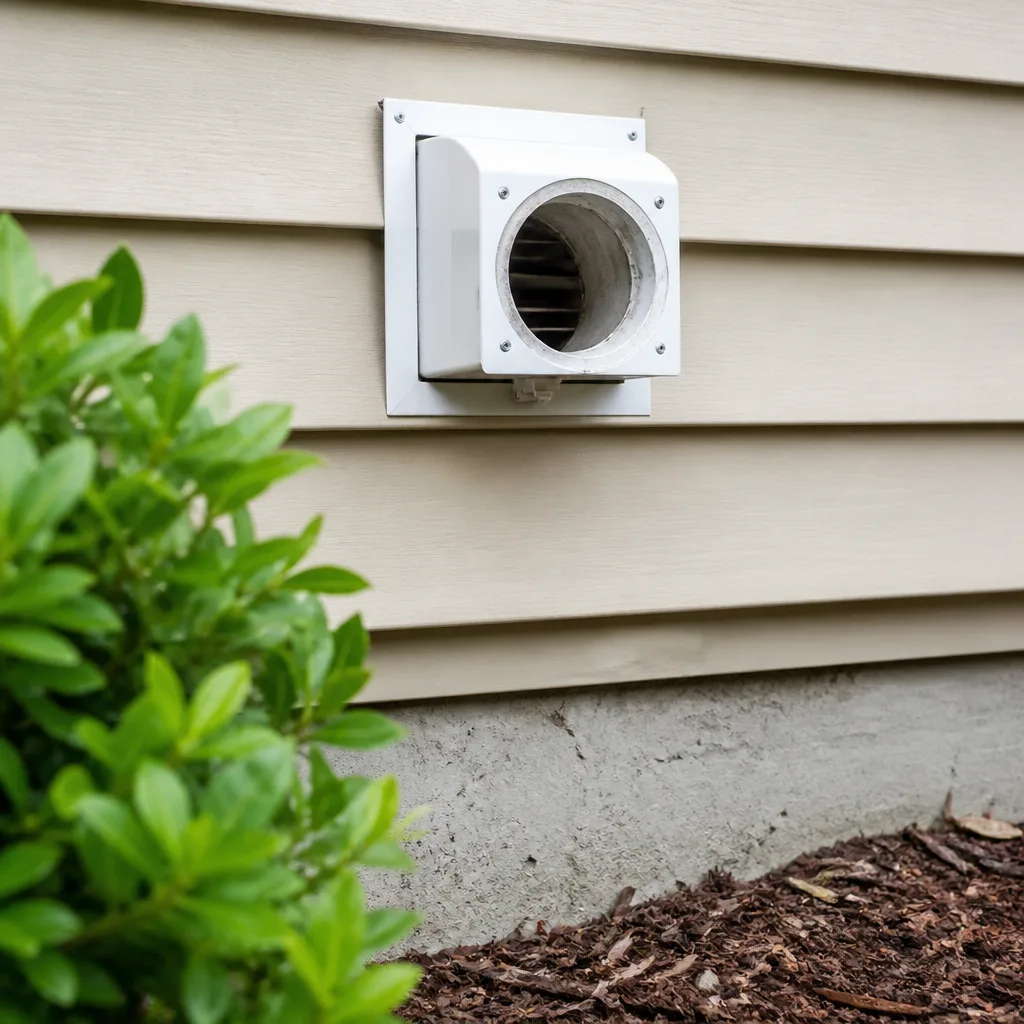 Dryer vent cleaning
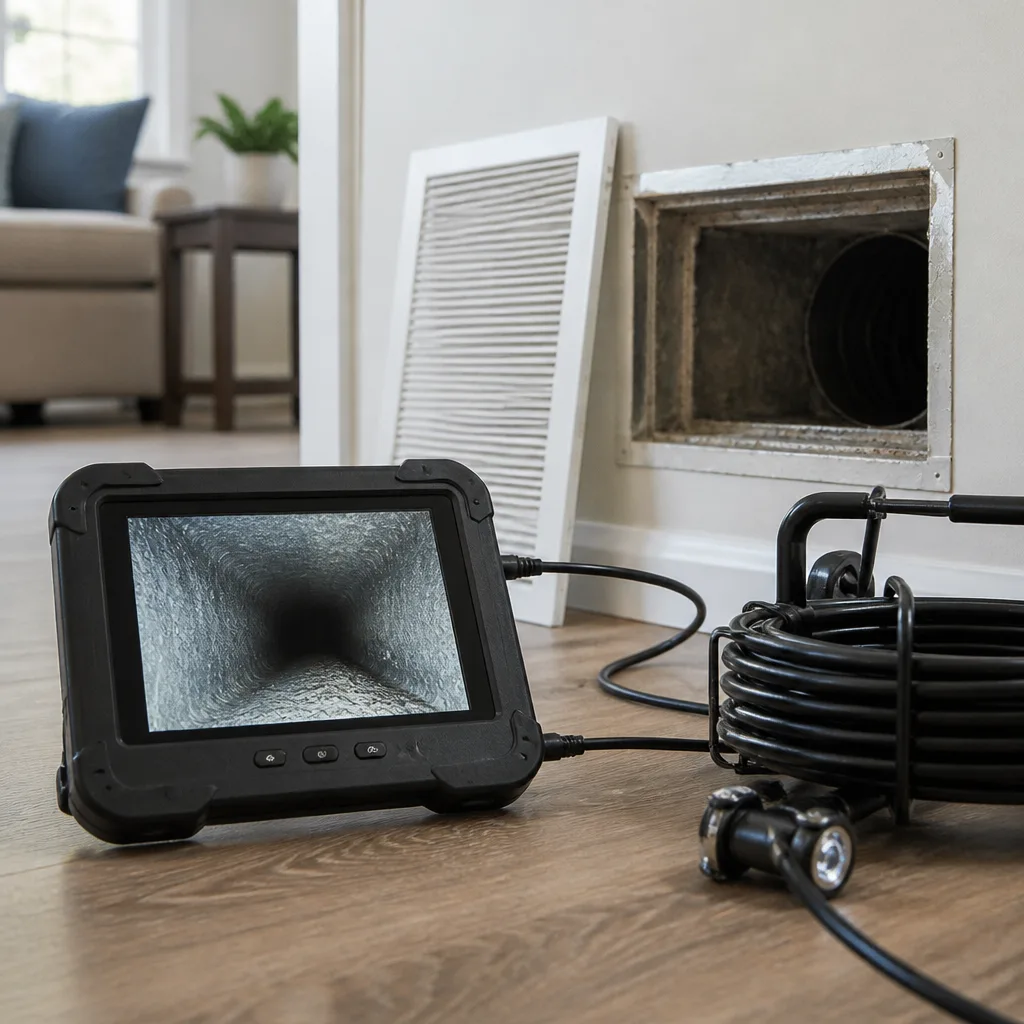 Camera inspection
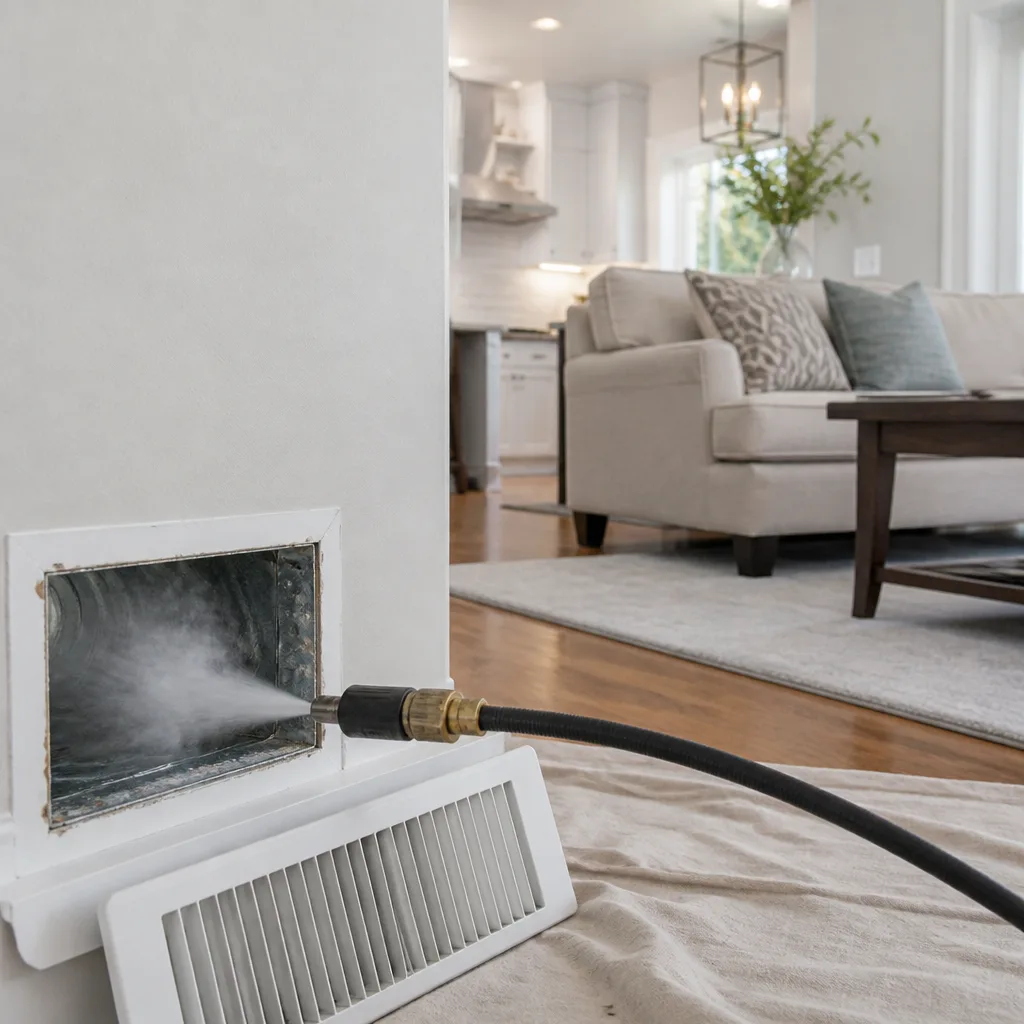 Sanitizing & deodorizing
Whole-system duct and dryer vent check with before-and-after photos - you see exactly what came out of your vents
That "$99 whole-house special" is a bait ad - the real number appears once they are in your hallway, or the "clean" is a shop-vac at the register. We photograph the inside of your ducts before and after instead.
Air Duct Cleaning Permits, Codes & Inspections in Parkside, NY: What You Need to Know
Here’s the part of duct cleaning that surprises most Parkside homeowners: the cleaning itself is almost never the regulated part. The regulated part is what comes after. When a technician pulls a brush through a return trunk and finds a collapsed section, a torn liner, or a patch of microbial growth on the interior insulation, that job has just crossed out of cleaning and into construction or remediation work that New York State treats differently. One single cleaning visit can lead to follow-up work that costs several times the original invoice, and if that follow-up is done without the right permits or licenses, the liability lands on the property owner, not the contractor. In this guide, we’ll walk through where cleaning stops and regulated work begins under New York codes, when a licensed HVAC contractor is required, how mold licensing works under Labor Law Article 32, what to ask before anyone starts, and how unpermitted work surfaces at resale.
Quick Answer
Routine air duct cleaning in Parkside, NY does not require a building permit because it removes debris from existing ductwork without altering the system. But duct repair that involves demolishing drywall, cutting into structural framing, replacing duct runs, or handling mold beyond small surface amounts is regulated work that generally requires permits, licensed contractors, or both under New York State rules. If you’re unsure, ask the contractor to put in writing which parts of the job are cleaning and which are regulated work, and who is pulling any permit.
Styles & brands we work with
- Whole-home duct cleaning
- Dryer vent cleaning
- Camera inspection
- Sanitizing & deodorizing
Table of Contents
- Where air duct cleaning ends and regulated work begins
- When duct repair or replacement needs a licensed HVAC contractor
- New York mold remediation licensing and what it means for duct work
- What to ask your contractor about permit responsibility
- How unpermitted duct work surfaces at home inspection
- Using a duct inspection as a baseline before you buy
- Which trades handle which parts of a duct job
- Common mistakes to avoid
Where Air Duct Cleaning Ends and Regulated Work Begins
The dividing line comes down to one word: alteration. Cleaning removes material from a system that’s already there. Repair, replacement, and modification change the system, and that’s where codes step in.
Under New York State’s building and mechanical codes, work that changes or extends a mechanical system generally requires a permit issued by the local municipality. Cleaning does not alter the system, so a duct cleaning company that uses rotary brush equipment and negative pressure containment to remove dust, debris, and built-up contamination from existing ducts is typically performing maintenance, not construction. No permit is involved. At least, not for the cleaning phase.
The moment the scope shifts, so does the regulatory picture. Here’s how we think about the split, and it’s worth committing to memory because it will come up in any real conversation about duct work in Parkside:
- Cleaning (no permit): rotary brushing, air whipping, vacuum extraction, sanitizing of interior surfaces, dryer vent cleaning, and cleaning of the air handler cabinet and coil face.
- Repair (permit depends on scope): resealing joints and seams, replacing a loose section of flex duct, strapping a sagging run, reconnecting a boot that’s pulled free of the register.
- Replacement or rerouting (likely permitting): cutting open walls or ceilings to access duct runs, replacing an entire trunk line, changing duct size, or moving a supply register to a new location.
- Remediation (licensed, regulated): removal of porous duct material that has become contaminated with mold growth beyond what surface cleaning can address, or containment work in a space occupied by a person with a documented mold sensitivity.
Where this gets tricky in Parkside is the housing stock. Plenty of the homes in this part of Queens were built with a mix of original mechanical chases, retrofit central air added later, and either flex duct or sheet-metal runs that have been reworked over time. When we open a return plenum and find a previous retrofit with duct tape pulling away from a seam, that’s a repair. When we find a section of duct that’s sagging because it was never properly hung, that’s a repair too. Neither requires a permit on their own. But if the repair requires opening a wall to reach a run, that’s often when the local buildings department wants to see a filing, and that’s the moment you need to know who’s responsible for pulling it.
If you’re trying to figure out whether cleaning is what you actually need, our guide to air duct cleaning covers the assessment side in more depth.
When Duct Repair or Replacement Needs a Licensed HVAC Contractor
In New York, and in the New York City building code that governs this part of Queens, duct replacement, extension, alteration, and reconfiguration are mechanical work. That puts them in the hands of a licensed contractor, typically a master HVAC or mechanical license holder, or a general contractor who can legally file and superintend the work. A cleaning company that isn’t licensed for mechanical work can’t legally pull the permit for those jobs, and if they do the work without one, the owner is exposed.
The realistic split you’ll see in Parkside looks like this:
- Duct sealing and reconnecting – often handled by a duct repair specialist, typically no separate mechanical permit if no walls are opened and no duct configuration changes.
- Sectional flex duct replacement within an existing chase – generally handled by a licensed mechanical contractor, or by a company that holds that license in-house. A permit may or may not be required depending on scope, so confirm with the local buildings department.
- Trunk line replacement or duct rerouting – licensed mechanical contractor, permit usually required.
- Ductwork changes that go through a wall, floor, or fire-rated assembly – licensed mechanical contractor plus a permit, and possibly fire-stopping work that’s separately regulated.
- Full HVAC system replacement – licensed mechanical contractor, permit required, plus an inspection before the system is closed up.
Our own HVAC cleaning work is deliberately scoped to stay on the cleaning side of this line, and when we find duct issues that require mechanical licensure, we tell the homeowner plainly. Duct repair and sealing that we can handle directly – resealing joints, reconnecting boots, replacing short flex sections that don’t involve opening a wall – we do. What we won’t do is pretend to hold a license we don’t have or perform permitted work under someone else’s filing. That protects you at inspection and protects us at the same time.
The equipment matters here too. Rotary brush systems from Rotobrush and vacuum units from Nikro are designed to clean without damaging ductwork, and the containment filtration units we run from Abatement Technologies keep dislodged particles inside the work area rather than circulating into your living space. That’s not a permit issue – it’s just the difference between cleaning that lifts debris and cleaning that moves it around the room.
New York Mold Remediation Licensing and Duct Work
New York’s mold licensing framework under Article 32 of the Labor Law governs mold assessment and mold remediation as separate licensed activities. The practical effect for a duct job is this: once contamination on duct interior surfaces is confirmed to be mold growth rather than ordinary dust buildup, and it extends beyond what surface cleaning can address, the work typically shifts from “cleaning” to “remediation” and needs a licensed mold remediation contractor. A cleaning company operating without that license shouldn’t be the one to do it.
What counts as ordinary buildup versus regulated contamination comes down to scope, material, and moisture. A light dust film inside a return is not a mold project. Visible growth on porous duct board, microbial contamination in a wet plenum, or growth that keeps returning after cleaning are different stories.
A number of things can cause a Parkside homeowner to suddenly be in mold territory:
- High summer humidity feeding condensation inside cool supply ducts
- An air handler pan that overflows during the cooling season
- A roof or bathroom leak that wets a ceiling cavity with ductwork inside it
- Duct runs that pass through a basement or crawl space with chronic dampness
- An oversized AC system short-cycling and never fully pulling moisture out of the air
When we’re cleaning and identify something that looks like microbial growth, our response is to stop, document it with photographs, and explain the next step. Sometimes it’s a targeted sanitizing treatment with products like Guardsman on surfaces that are clean-able. Sometimes it’s a recommendation to involve a licensed mold remediation contractor who can scope the work properly and confirm clearance afterward. Pretending to be a mold remediator when we’re not is a shortcut we don’t take, and that policy has saved more than one Parkside household from an unpermitted remediation job turning into a resale problem later.
One thing to keep in mind: mold licensing in New York is an assessment-and-remediation framework, not a cleaning certification. A company calling itself an “air quality specialist” doesn’t automatically hold a mold remediation license. Ask for the license under Article 32 if remediation work is being proposed.
What to Ask Your Contractor About Permit Responsibility Before Work Starts
Verbal assurances are worth nothing at closing. The homeowner who’s told “we’ll handle it” verbally and then discovers at inspection that no permit was ever filed has no recourse more useful than a lawsuit, and that only works if the contractor is still in business. Before a duct job of any scope begins in Parkside, get the following in writing. It takes ten minutes and it changes the entire ownership of the risk:
- Which parts of the scope are cleaning and which are repair? A written scope that separates these is the foundation of everything else.
- Does any part of the proposed work require a permit under New York State or local codes? If the answer is no, ask how the contractor arrived at that conclusion.
- If a permit is required, who pulls it? Confirm in writing. Ask for the permit number once it’s filed, and keep that number.
- Who will perform the permitted work? Cleaning company, licensed mechanical contractor, or mold remediation contractor – get the name of the entity in writing, and confirm which license applies.
- Who is responsible for scheduling the inspection? The permit holder typically schedules, but it’s worth confirming because it’s the step most often dropped.
- What happens if the inspector finds a problem and issues a correction? The permit holder should be on the hook for fixing it, not the homeowner.
- What’s the warranty on the work, and does it survive the sale of the house? If the warranty doesn’t transfer, get that in writing so it factors into your decision.
If a contractor resists these questions or tells you permits are never required for duct work in New York, that’s an answer in itself. Our position is that a cleaning company that doesn’t know where its scope ends shouldn’t be asked to guess. If you’d like a straight assessment of what your ducts need, we’ll walk through the system and give you a written scope before anything starts. Call (833) 482-5968. We answer 24/7. Fast dispatch from 7am to 7pm, Sunday through Friday.
How Unpermitted Duct Work Surfaces at Home Inspection
Unpermitted duct work usually reveals itself in three places during a pre-sale inspection in Parkside: at the panel, at the walls, and at the register boots.
A buyer’s inspector sees evidence of mechanical work at the electrical panel first. New breakers for equipment that wasn’t on the last certificate of occupancy, or a 220-volt circuit added for an air handler that wasn’t there before, is a flag. When the inspector’s follow-up asks “was this permitted?” and there’s no permit in the file, the answer is no, and the buyer now has a negotiating position.
At the walls, the inspector sees patches and openings. Drywall that’s been cut and closed without a mechanical permit is often visible as patched seams near a duct run or mismatched texture inside a closet where a trunk was accessed. It’s a reasonable conclusion that mechanical work happened there, and the buyer will want documentation.
At the register boots, the inspector sees retrofit flex duct when the house was originally built with sheet metal. That’s not always a problem in itself, but a properly permitted job usually leaves a trail: a permit record with the buildings department, a contractor name that matches a licensed entity, and often an inspection sticker or sign-off. When the buyer asks for that trail and it doesn’t exist, the transaction typically goes one of three ways:
- Price reduction – the buyer asks for a credit to cover remediation of the unpermitted work.
- Delayed closing – the seller has to file a permit retroactively, have the work inspected, and possibly tear out and redo work that doesn’t meet code, which can push closing out by weeks or months.
- Sale falls through – some buyers walk when a red flag like this appears, especially when a lender’s appraisal flags it too.
The cost to resolve at point of sale depends on the scope. A small duct repair that needs a retroactive permit plus inspection is one thing. A full trunk replacement done without a permit, closed up in walls, and now required to be opened back up for inspection, is a much larger job. Neither is a fine the homeowner pays to the city in most cases; the cost is the rework and delay, which is often what buyers negotiate around.
If you’re already in this situation, the practical path is to have a licensed mechanical contractor scope the work, file the permit, complete whatever’s required to bring it to code, and get the sign-off. Our free estimate on a duct cleaning or duct repair assessment can at least tell you whether the ducts themselves are clean and sealed, which is one variable out of the mix. Call (833) 482-5968. We answer 24/7. Fast dispatch from 7am to 7pm, Sunday through Friday.
Using a Duct Inspection as a Baseline Before You Buy
Buyers in Parkside who want to avoid inheriting unpermitted work can do something smarter than relying on the seller’s disclosure: get the ducts assessed before closing. A pre-purchase duct assessment isn’t a formal inspection and doesn’t replace a licensed home inspector’s opinion, but it gives you a ground-truth reading on the condition of the system you’re about to own.
What a pre-purchase duct assessment typically covers:
- Visual inspection of the air handler, coil, and filter setup
- Camera inspection of a sample of supply and return runs
- Assessment of duct material, sealing condition, and any visible damage
- Containment-level photos of what’s actually inside the ducts
- Written notes on what’s cleaning, what’s repair, and what’s regulated work
We’ve been asked many times by Parkside buyers whether it’s worth the money to do this before closing, and the answer usually depends on age. A house built in the 1950s that’s had three rounds of mechanical retrofits is worth assessing. A house built recently with a documented system is less likely to hide surprises. Either way, having a written record of duct condition before closing means a future buyer’s inspector can compare apples to apples, and a written record is the one thing that tends to defuse the “unpermitted work” conversation at the negotiation table.
If you’re a property manager working on a rental building in Parkside, the same principle applies to a due-diligence review at acquisition: we’ve seen enough management transitions where the incoming owner had no duct documentation on any unit and had to re-establish the baseline from scratch. Contracting for a documented assessment while the seller is still responsible for providing records is a much easier conversation.
One related service that comes up in these assessments is the dryer vent. A blocked dryer vent is a fire risk, not just a performance issue, and it’s the kind of thing that shows up in a fresh assessment of an unfamiliar property. Our dryer vent cleaning service is one of the five core services we offer, and it’s the one most likely to reveal a code or safety issue during a pre-purchase review.
Which Trades Handle Which Parts of a Duct Job
It helps to know which type of firm handles which piece, because a duct project in Parkside typically spans more than one trade. Here’s a plain breakdown of who’s responsible for what in a properly run job:
- Duct cleaning company – removes debris and contamination from existing ductwork, cleans the air handler and coil, and documents conditions with photos. No permit for cleaning.
- Duct repair and sealing specialist – reseals joints, reconnects boots, replaces short flex sections, and addresses the root causes of air loss. Permit depends on scope.
- Licensed mechanical contractor – performs duct replacement, rerouting, extension, and any work that changes the configuration of the mechanical system. Permit typically required.
- Licensed mold remediation contractor – addresses confirmed mold growth that extends beyond surface cleaning. Licensed under Labor Law Article 32.
- Licensed electrician – any changes to electrical service for HVAC equipment. Filed separately from mechanical permit.
- General contractor – opens and closes walls or ceilings for duct access when the mechanical contractor won’t. Can hold the permit for the whole scope if they’re set up for it.
Where this becomes important is the moment a duct job needs to cross a trade boundary. A cleaning company can clean and stop. A duct repair specialist can seal and stop. The moment the scope calls for opening a wall or replacing a trunk line, the job needs a licensed mechanical contractor and a permit, and everyone involved should be clear about it. Our repair and sealing work is scoped to stay inside the cleaning side of this split by design, because we know the boundary and respect it.
Air quality add-ons sit on the cleaning side. Honeywell and Aprilaire systems for filtration and humidity control, when installed as accessories rather than as part of a mechanical alteration, typically don’t require a mechanical permit on their own. Adding a whole-home humidifier or bypass filter to an existing air handler is a small install that usually doesn’t need a permit but does need to be done by someone qualified to work around HVAC equipment.
Common Mistakes to Avoid
- Assuming “cleaning” is always just cleaning. A company that finds damaged ducts mid-job and quietly repairs them without a permit is doing work that may not be legal and isn’t documented for inspection. Ask upfront how the scope is separated.
- Letting a cleaning company handle mold without a license. Article 32 licensing exists for a reason. If the growth is anything more than superficial, remediation belongs with a licensed mold contractor, not a company that happens to own a sprayer.
- Accepting “we’ll take care of the permit” verbally. Get the permit number in writing before work starts. If a permit was never pulled, “we’ll take care of it” is just words.
- Skipping the pre-purchase assessment because the inspector didn’t flag ductwork. Home inspectors don’t typically inspect duct interiors. A pre-purchase duct assessment covers ground they don’t touch.
- Believing a broader license covers a narrower service. A general contractor license isn’t a mold remediation license, and a mechanical license isn’t a cleaning certification. Match the license to the actual work being done.
- Assuming a bad duct job in Parkside stays hidden. It doesn’t. Every pre-sale inspection in this part of Queens starts with mechanical work questions, and unpermitted work shows up at the panel, the walls, or the boots.
- Thinking the equipment is interchangeable. Consumer-grade vacuums and shop vacs don’t move enough air to properly extract debris from a duct system and can actually spread contamination. Professional rotary brush and HEPA-filtration equipment exists for a reason.
See the difference
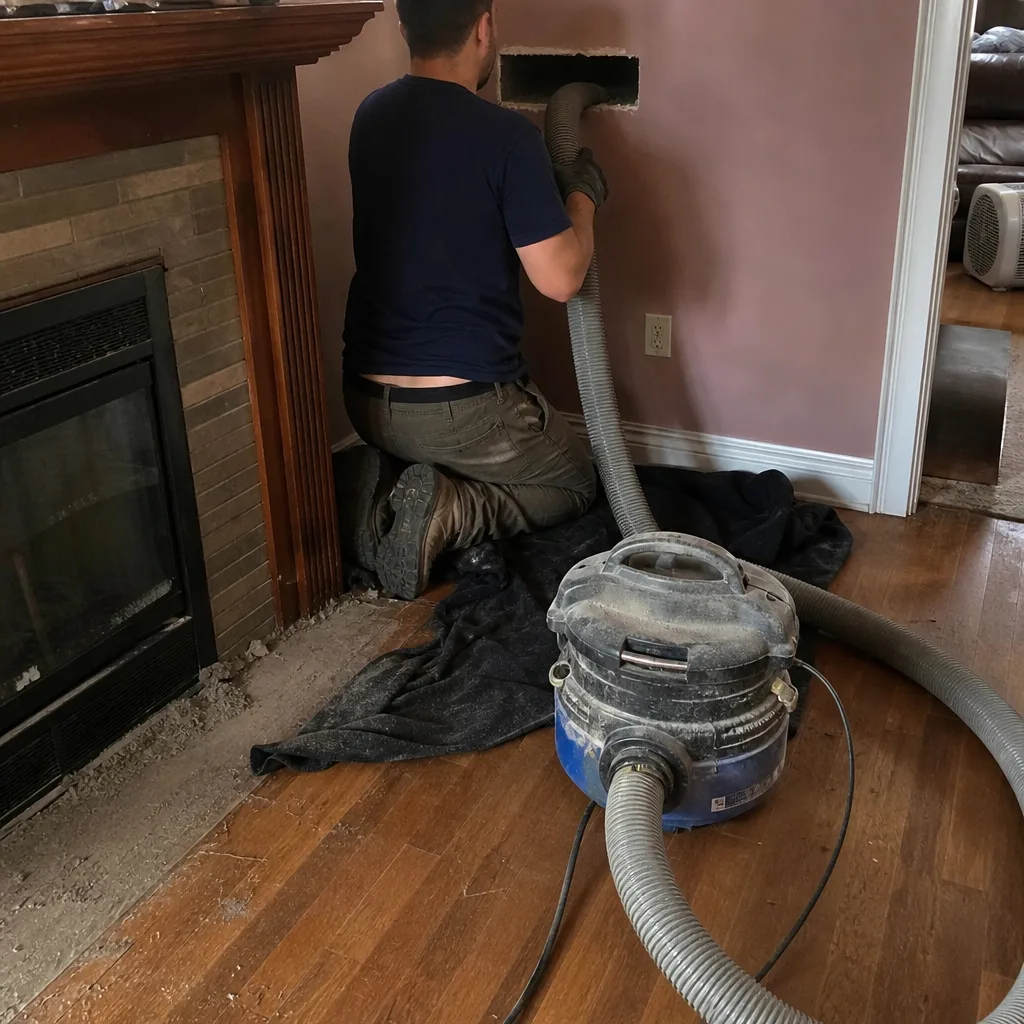 Before
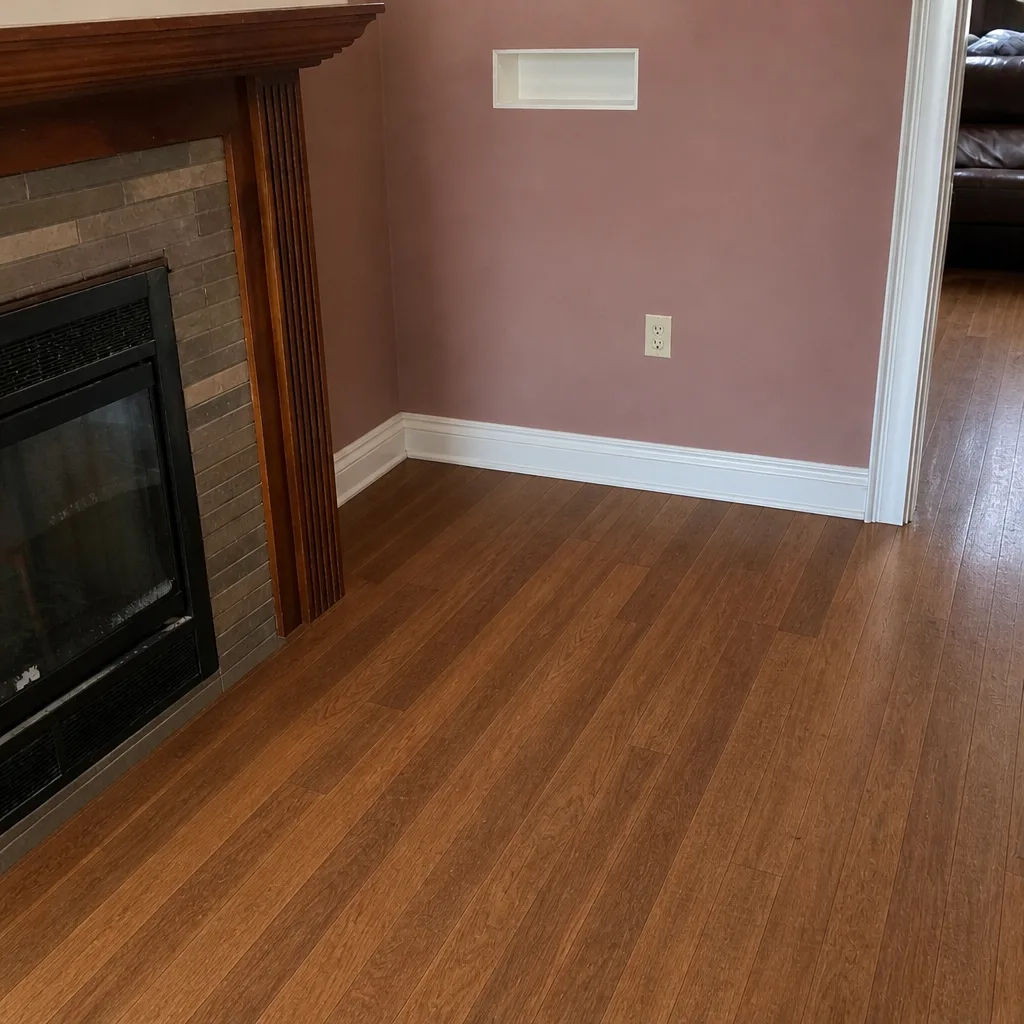 After
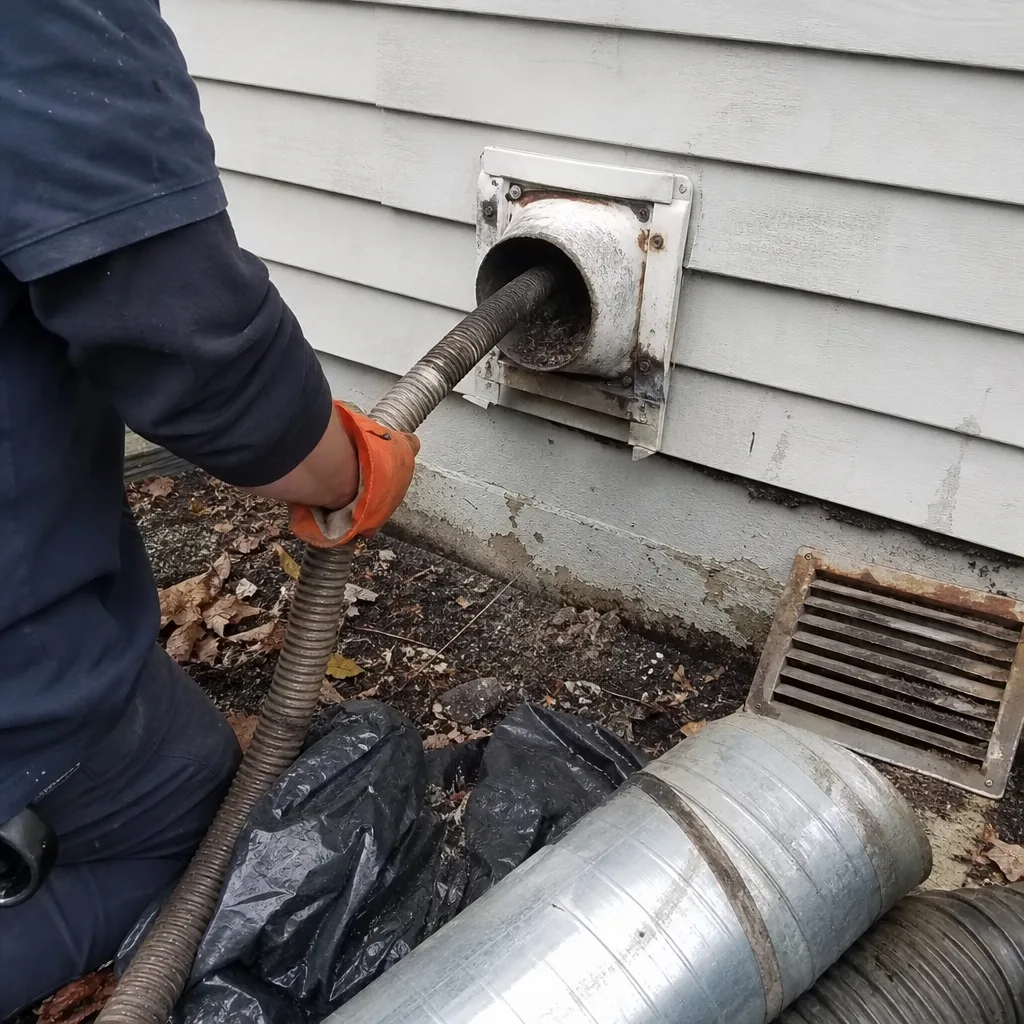 Before
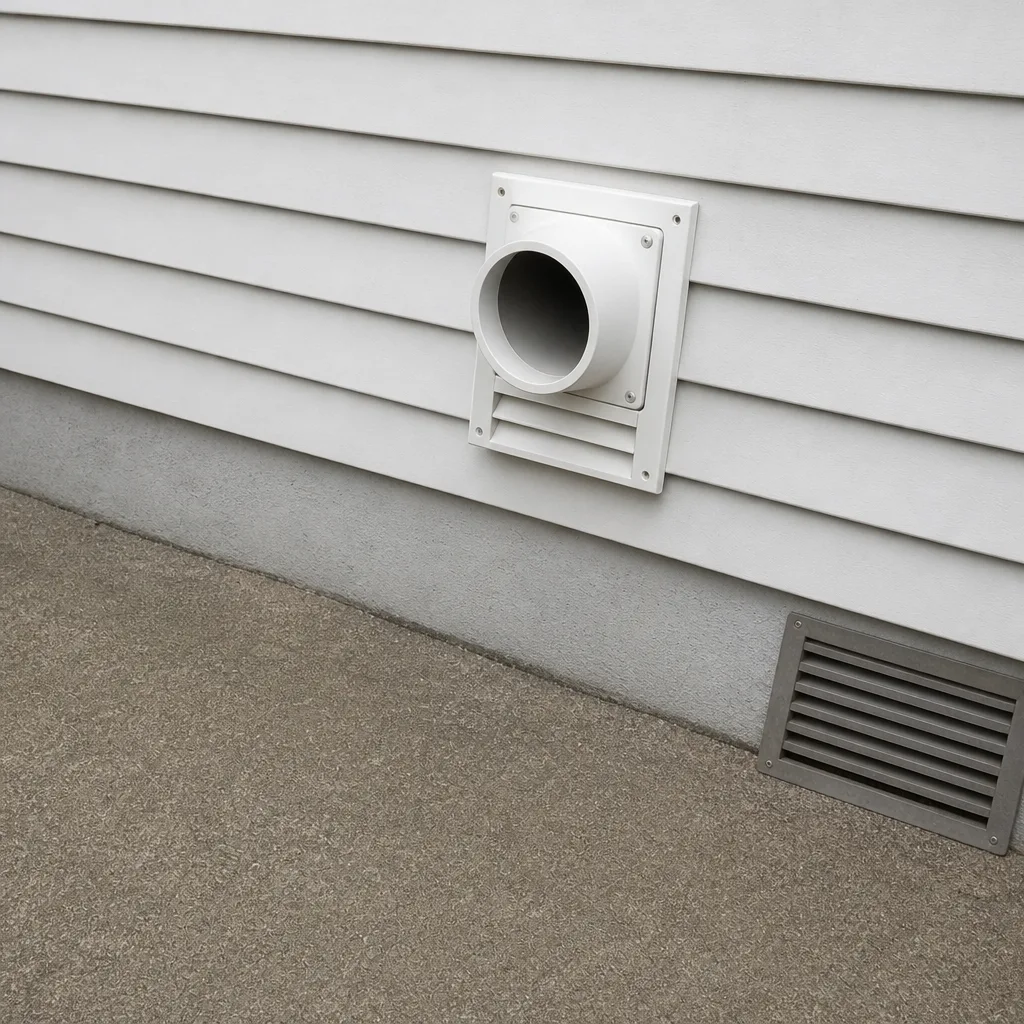 After
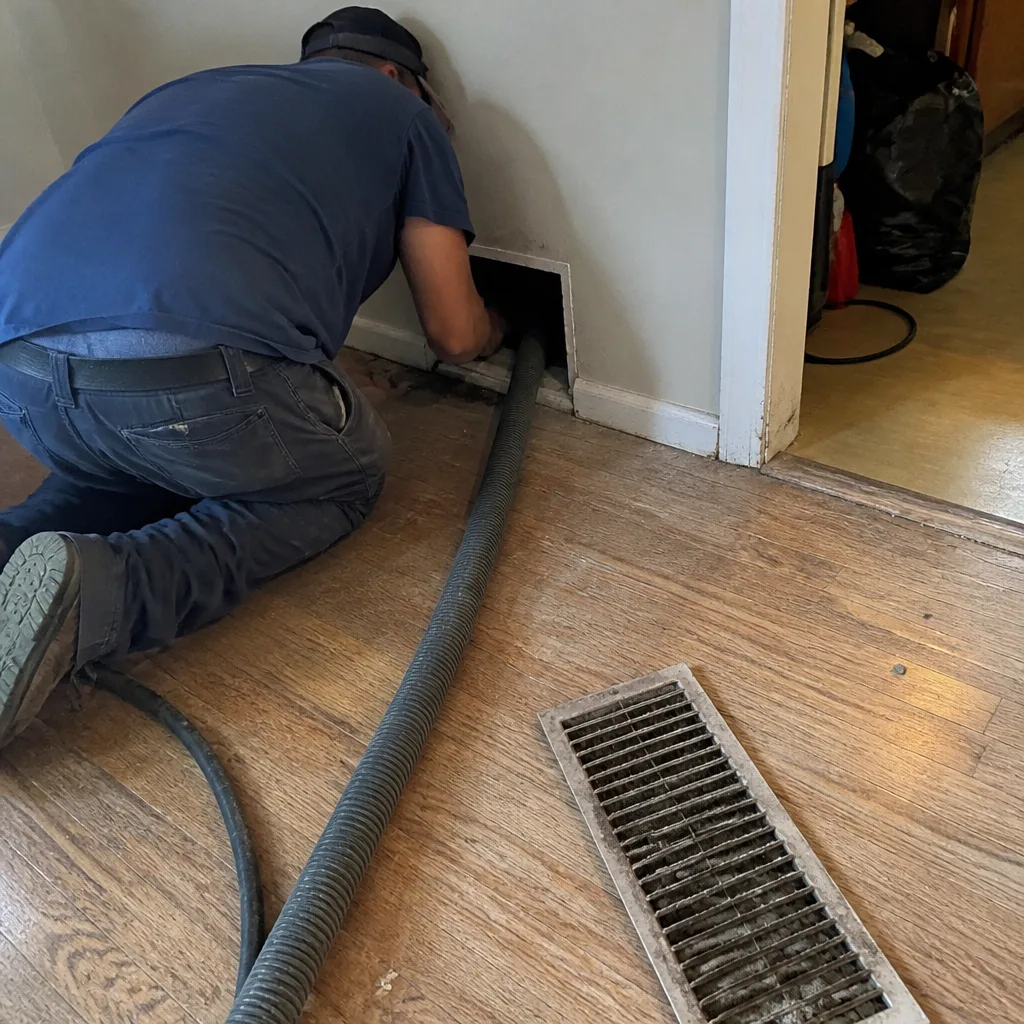 Before
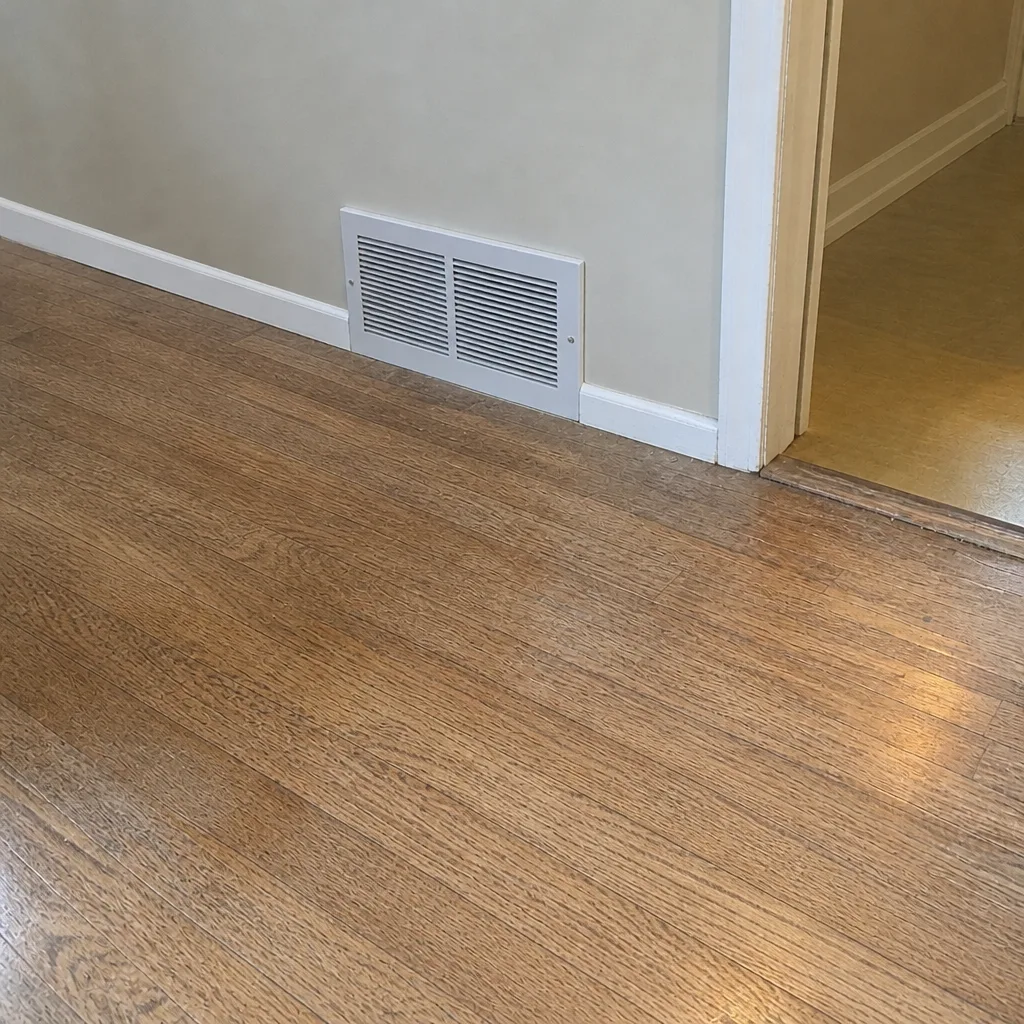 After
When to Call a Professional
A few situations are almost always a signal to stop and get a professional assessment. If you can see visible growth inside a supply register, if a return is pulling dust out of a room instead of air, if a duct run has clearly collapsed behind a wall, or if you’re dealing with post-renovation dust that’s settled into a system you don’t fully understand, it’s worth a look. The same goes for a duct system that hasn’t been opened in a decade or more, or an HVAC system that’s cycling frequently and moving more debris than it should. If a pre-sale inspection has flagged mechanical work with no documentation, we can help you understand what condition the ducts are in without a permit being involved. Air Duct Cleaning Parkside offers free estimates in Parkside. Call (833) 482-5968. We answer 24/7. Fast dispatch from 7am to 7pm, Sunday through Friday.
Frequently Asked Questions
No. Routine air duct cleaning removes debris from existing ductwork without altering the system, and that typically doesn’t require a building permit under New York State or local rules. Permit territory starts when the scope includes duct repair that opens walls, replacement or rerouting of duct runs, or mold remediation beyond surface cleaning. Ask the contractor to separate cleaning from regulated work in writing so the boundary is clear before anything starts. Call (833) 482-5968 for a free estimate.
For sectional repairs like resealing joints, reconnecting boots, and replacing short flex sections that don’t open walls or change duct configuration, a duct repair specialist can typically handle the work without a separate mechanical license. For duct replacement, rerouting, or extension, yes – that’s mechanical work and generally requires a licensed HVAC or mechanical contractor plus a permit. If you’re not sure which category your repair falls into, confirm with the local buildings department before signing.
The cleaning stops, and the job shifts from maintenance to assessment. Under Labor Law Article 32, mold assessment and remediation in New York are licensed activities, and confirmed growth beyond what surface cleaning can address belongs with a licensed mold remediation contractor. A cleaning company operating without that license shouldn’t be doing the remediation work. Surface-level sanitizing with products like Guardsman is one thing; a licensed remediation project is another. Call (833) 482-5968 and we’ll walk you through what we found and what the next step should be.
The permit holder is typically the licensed contractor performing the work, and their name should be on the permit. The homeowner’s role is to confirm in writing that a permit will be pulled, get the permit number once filed, and confirm who’s responsible for the inspection and any corrections. Verbal assurances that “we’ll handle it” don’t protect you at closing; a permit number in writing does. Call (833) 482-5968 for a free estimate.
It can. Unpermitted mechanical work typically shows up during a pre-sale inspection at the electrical panel, at patched walls, or at retrofit duct boots, and buyers often respond by requesting a price reduction, delaying the closing until the work is brought to code, or walking away entirely. The cost isn’t usually a city fine; it’s the rework and delay. A pre-purchase duct assessment establishes what condition the ducts are actually in before closing.
Professional rotary brush and vacuum systems, not consumer-grade vacuums or shop vacs. We use Rotobrush and Nikro equipment for cleaning and dust extraction, and Abatement Technologies containment filtration units for jobs where dislodged particles need to stay inside the work area. For air quality add-ons, we work with Honeywell and Aprilaire systems. The equipment matters because it determines whether debris actually leaves the system or just gets redistributed.
The Bottom Line
Routine air duct cleaning in Parkside doesn’t require a permit, but the work that surrounds it often does. Duct repair that opens walls, duct replacement or rerouting, and mold remediation beyond surface cleaning all sit on the regulated side of the line, and the split between those categories is where homeowners and contractors get into trouble. The remedy is simple in principle: ask the contractor to separate cleaning from regulated work in writing, confirm who holds any permit, get the permit number once filed, and match the license to the actual work. If you want a straight assessment of what your ducts need, we’ll give you a written scope before anything starts, with the equipment and documentation to back it up. Call (833) 482-5968 for a free estimate.
Written by the team at Air Duct Cleaning Parkside.